 Largo Window
 Roof Replacement Built for St. Petersburg's Climate
A roof in St. Petersburg does more work than a roof almost anywhere else in the country. It has to shed wind-driven rain that gets pushed sideways under shingle edges during summer storms, shrug off hurricane-force gusts without lifting or peeling back, and hold up year after year under some of the most intense, near-constant UV exposure in the continental United States. Add in salt air drifting inland off Tampa Bay and the Gulf, and every exposed fastener, flashing seam, and vent boot is under a slow, steady kind of pressure that a roof in a milder climate never has to deal with. Roof replacement here isn't a generic project. It's a system that has to be built, from the deck up, for this specific set of stresses.
This page covers what a correct roof replacement looks like for a St. Petersburg home — the material and installation decisions that actually matter in Pinellas County, how our process works from first inspection to final walkthrough, and why a crew with real experience on St. Petersburg roofs makes a measurable difference in how long the finished job lasts.
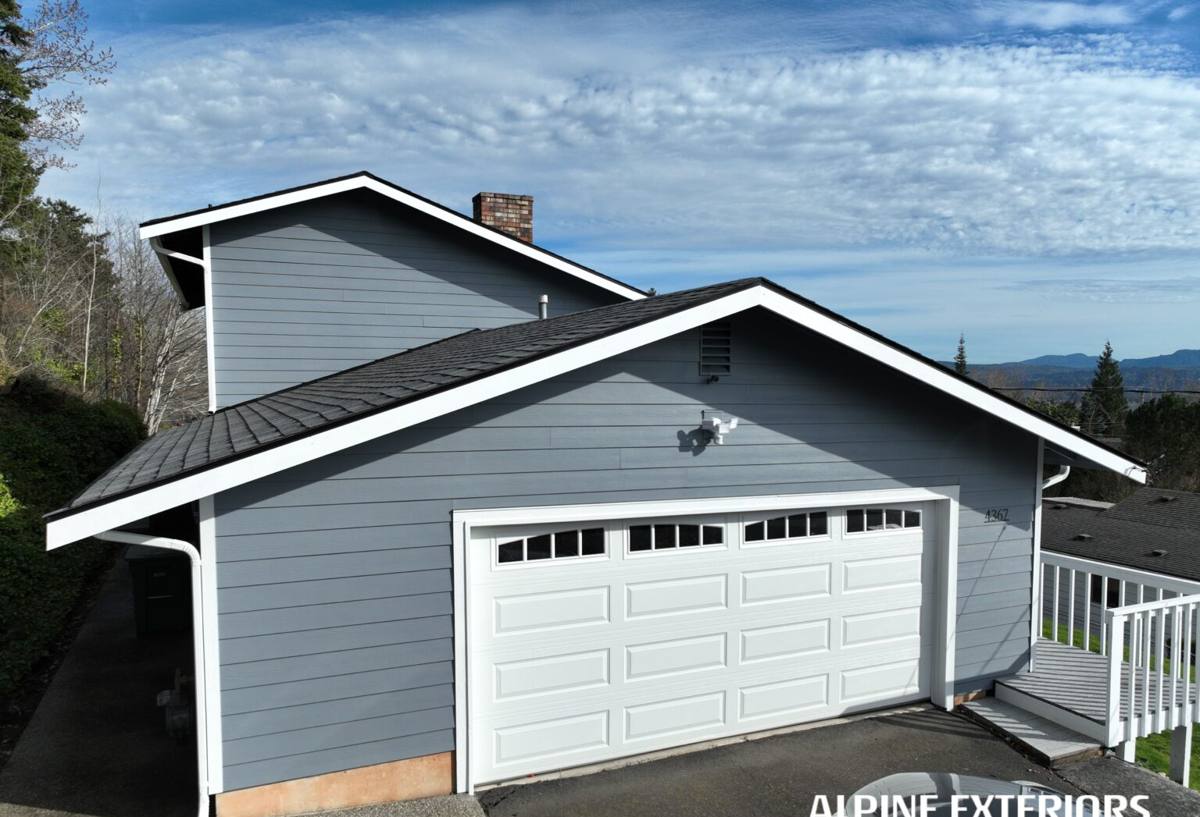
What Makes St. Petersburg Roofs Different
Homes here sit close enough to open water that salt-laden air is a constant, not an occasional coastal breeze. That air works on unprotected metal fasteners, flashing, and vent components steadily over time, which is a big part of why so many premature roof failures in this area trace back to corroded metal rather than failed shingles. Layer on Florida's building code requirements for wind uplift resistance, driven by decades of hurricane experience, and you get an installation standard that's genuinely stricter here than in most of the country.
UV exposure is the other constant factor. St. Petersburg gets sun nearly year-round, and that steady UV load breaks down lower-grade roofing materials faster than in northern climates, causing granule loss, brittleness, and premature aging well before a shingle's rated lifespan is up if the product or installation wasn't matched to this level of exposure in the first place.
The Local Conditions a Roof Replacement Has to Account For
- Hurricane and tropical-storm wind loads: Florida Building Code sets minimum wind uplift and fastening requirements for this region that are meaningfully stricter than national baseline standards.
- Wind-driven rain intrusion: Storms here push rain sideways and upward under shingle tabs and flashing laps, not just straight down, which changes what underlayment and flashing actually need to do.
- Salt air corrosion: Standard fasteners, flashing, and vent metal corrode faster this close to the water, which is why material grade matters more here than it does inland.
- Sustained UV exposure: Nearly year-round direct sun accelerates granule loss and material breakdown on lower-grade products faster than the same product would age in a less sun-intensive climate.
What a Correct Roof Replacement Involves
Replacing a roof is more than stripping old shingles and laying new ones. Done correctly, it's a sequence of steps that each address a specific way St. Petersburg roofs are put under stress.
Full Tear-Off and Deck Inspection
A complete tear-off down to the decking is the only reliable way to find rot, soft spots, or water damage that's been developing unseen under the old roofing. Layover installations, where new shingles go directly over the old layer, skip this step and simply seal existing problems underneath a new surface. In a climate where hidden moisture damage can spread quietly for years, skipping the inspection is one of the costliest shortcuts a roofing job can take.
Underlayment Suited to Wind-Driven Rain
Synthetic or self-adhered underlayment gives the roof deck a real secondary water barrier, which matters directly when storms are pushing rain up under shingle edges instead of letting it run straight off. Florida code requires ice-and-water shield or equivalent self-adhered membrane at specific vulnerable areas, but a properly built roof extends that protection to every valley, penetration, and eave rather than treating the code minimum as the finish line.
Wind-Rated Fastening and Shingle Selection
Fastening pattern, nail count, and placement all have to follow manufacturer specification for the local wind zone, not a shortcut pattern that technically passes inspection but leaves shingles more likely to lift in a real storm. Shingle products themselves need a wind rating that matches this region's exposure, and for many St. Petersburg homes, especially those closer to open water, that means a higher-rated product than what gets used further inland.
Flashing at Every Transition
Valleys, chimneys, skylights, and wall-to-roof intersections are where the large majority of roof leaks actually start, not in the open field of shingles. Flashing at these points needs to be properly lapped, integrated with the underlayment, and fastened with corrosion-resistant metal, not just caulked as an afterthought. Salt air makes the metal grade here a bigger deal than it would be in a drier, inland market.
Ventilation That Protects the Roof From Below
Balanced intake and exhaust ventilation keeps the underside of the roof deck dry and reduces heat buildup in the attic, both of which extend the life of the roofing system and reduce the strain of Florida's heat and humidity on the structure underneath. A roof can look fine from the street and still be losing years of life to poor attic airflow that nobody thinks to check.
Comparing Roofing Materials for a St. Petersburg Home
| Roofing Material | Typical Lifespan | Fit for St. Petersburg Conditions |
|---|---|---|
| Architectural (Laminated) Asphalt Shingles | 25-30 years | Strong wind resistance and UV-stable granules make this the most common practical choice for this climate |
| 3-Tab Shingles | 15-20 years | Lower upfront cost, but thinner profile and lower wind rating are a tougher match for hurricane-exposed properties |
| Standing Seam Metal | 40-50+ years | Excellent wind and UV performance; higher upfront cost offset by longevity and lower long-term maintenance |
| Concrete or Clay Tile | 50+ years | Very durable and well suited to Florida architecture, but requires a structure engineered for the added weight |
For most St. Petersburg homes, architectural shingles rated for high wind exposure remain the practical middle ground between upfront cost and long-term performance. Metal and tile both perform exceptionally well in this climate and are worth serious consideration for homeowners planning to stay long-term or looking to reduce maintenance over the life of the roof.
Cost Factors Worth Understanding
Two bids on the same St. Petersburg roof can differ by thousands of dollars, and the gap is usually explained by real differences in scope rather than one contractor simply padding the price.
| Factor | What It Affects |
|---|---|
| Tear-off vs. layover | Whether hidden deck damage and rot get found and repaired before new roofing goes on |
| Underlayment grade and coverage | How well the roof resists wind-driven rain intrusion during storms |
| Material and wind rating | Expected lifespan and resistance to lifting or granule loss under sun and wind |
| Flashing scope and metal grade | Corrosion resistance and how thoroughly leak-prone transitions are addressed |
| Ventilation upgrades | Attic heat and moisture control, which affects both roof life and energy costs |
| Roof pitch, layers, and access | Labor time, staging, dump fees, and safety requirements on the job |
| Permitting and code compliance | Wind uplift documentation and inspections required under Florida Building Code for this region |
A detailed, itemized written estimate tells you far more than a single lump-sum figure. It's reasonable to ask any contractor bidding your roof to walk through exactly what underlayment, fastening, and flashing scope is included before comparing numbers side by side.
How Our Process Works
A roof replacement is a significant investment, and we keep the process clear so you know what's happening at every stage.
- In-person inspection: We walk the roof and attic in person, not from a satellite photo or a drive-by estimate, and document the actual condition of the deck, flashing, and ventilation.
- Written, itemized estimate: You receive a clear bid covering tear-off, underlayment, flashing, fastening, ventilation, material selection, permitting, and cleanup, with no vague single-line pricing.
- Permitting and code compliance: We handle the permitting and wind uplift documentation required under Florida Building Code for Pinellas County before work begins.
- Scheduling around Florida weather: We build reasonable flexibility into the timeline, since afternoon storms and hurricane season are a normal part of working in this region, not an excuse for delays.
- Tear-off and deck repair: Old roofing comes off completely, and any rot or damage found in the decking is repaired before anything new goes down.
- Underlayment, flashing, and roofing installation: Each layer goes on to manufacturer specification and current wind-zone code, with extra attention at valleys, penetrations, and wall transitions.
- Final walkthrough and cleanup: We review the finished roof with you and do a full site and magnetic nail sweep before considering the job complete.
Why Hiring a Crew That Already Works in St. Petersburg Matters
A crew that regularly works roofs in St. Petersburg and around Pinellas County has already seen how salt air corrodes underspecified fasteners, which flashing details actually hold up in a real tropical storm, and how local wind zone requirements get applied and inspected in practice. That's practical, tested knowledge that shows up in small decisions throughout a job, decisions a crew unfamiliar with this specific coastal climate is less likely to think to make at all.
It also matters after the job is finished. A workmanship warranty is only as good as the company standing behind it, and a contractor with an established, ongoing presence in the St. Petersburg area is one you can actually reach two or three years down the road if a question or issue comes up, not a name that disappeared after the invoice was paid.
A Practical Checklist Before You Choose a Roofer
- Do they perform a full tear-off with deck inspection, not just a layover?
- Does the estimate specify underlayment type, fastening pattern, and wind rating, not just "new roof"?
- Is flashing work at valleys, chimneys, and walls explicitly scoped in the bid, with corrosion-resistant metal specified?
- Do they carry current Florida contractor licensing, liability insurance, and workers' compensation?
- Will they handle permitting and wind uplift documentation as part of the job, not leave it to you?
- Can they point to real, recent work in or near St. Petersburg and Pinellas County?
- Does the bid clearly separate manufacturer material warranty from their own workmanship warranty?
Signs Your St. Petersburg Roof May Need Replacement
Roofs in this climate rarely fail all at once. They give warning signs first, and catching them early is often the difference between a targeted repair and a full replacement.
- Granules collecting heavily in gutters, signaling shingles wearing thinner than they should from sun exposure
- Curling, cracking, or lifted shingle edges, especially after a windy season
- Rust staining or visible corrosion around flashing, vents, or exposed fasteners
- Water staining on interior ceilings or in the attic, particularly near valleys or penetrations
- Visible sagging along the roofline, which can indicate deck-level moisture damage
- A roof approaching or past 20 years old that hasn't had a full replacement, regardless of surface appearance
If any of these sound familiar, it's worth having the roof inspected before the next storm season makes the decision for you rather than after.
Maintaining a New Roof in a Coastal Climate
Even a correctly installed roof benefits from basic upkeep in a climate this demanding. Keeping gutters clear reduces water backing up under the shingle edge during heavy rain. A yearly visual check after hurricane season, looking for lifted shingles, damaged flashing, or debris buildup around vents, catches small issues while they're still small. Trimming back overhanging branches limits both physical debris on the roof and the shaded, damp conditions that encourage algae growth. None of this replaces a professional inspection, but it meaningfully extends the practical life of a roof that was built right in the first place.
If you'd like an honest, no-pressure look at your St. Petersburg home's roof and a written estimate to compare against anything else you've received, we're glad to come take a look. Use the form below to request a free estimate.