 Largo Window
 Windows Built for Seminole's Coastal Climate
Seminole sits close enough to the Gulf that salt air, humidity, and wind are part of daily life, even though the neighborhood itself is a few miles inland from the beaches. That combination is hard on windows. Salt-laden air corrodes hardware and pits aluminum over time. Intense, near-constant Florida UV breaks down seals, gaskets, and vinyl components years faster than in a drier, cooler climate. Wind-driven rain during summer storms and tropical systems finds every gap in a poorly sealed or aging window. And when a hurricane or strong tropical storm pushes through Pinellas County, window performance under wind pressure isn't a comfort feature — it's what keeps water and debris out of the house.
A lot of Seminole homes were built decades ago with windows that were never designed for today's wind load requirements or for this level of sun and salt exposure. Custom windows solve two problems at once: they fit openings that off-the-shelf sizes don't match, and they let us match the frame, glass, and hardware to what this specific climate actually demands.
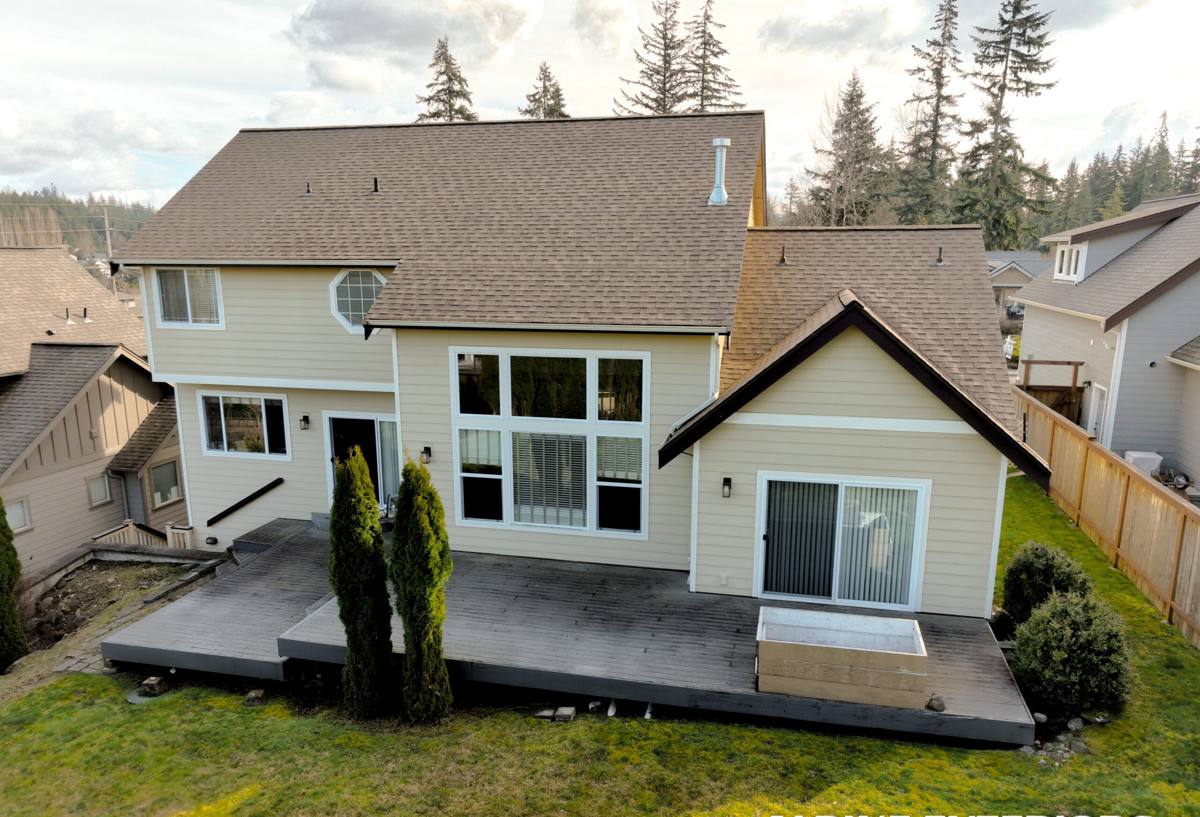
What "Custom" Really Means Here
Custom doesn't just mean a fancier window — it means the window is built to the exact opening and performance requirements of your house, rather than your house being adapted to fit a stock size. In practice, that shows up in a few ways around Seminole:
- Older homes in the area often have openings that don't match modern standard sizes, especially homes that have had additions, renovated Florida rooms, or replaced siding over the years.
- Many Pinellas County homes still have original jalousie or single-pane aluminum windows from an earlier building era — these openings almost always need custom sizing to convert to a modern insulated window.
- Homes near canals, retention ponds, or open exposure on any side may need a mix of window types and glass packages depending on which elevation takes the most wind and sun.
- Architectural details — arched tops, unusual mulling patterns, picture windows paired with operable units — aren't available off the shelf and have to be built to spec.
Custom sizing and configuration is also simply more common in Florida generally than in a lot of other states, because so much of the housing stock predates current window and energy codes.
Wind Pressure and Impact Ratings, Explained Plainly
Every window sold for installation in Florida has to meet wind pressure and impact requirements set by the Florida Building Code, and those requirements are tied to your specific location, exposure, and the design pressure engineered for your house. This is not optional paperwork — it's the difference between a window that holds up in a storm and one that fails.
Two things get confused often, so here's the distinction:
- Wind pressure rating is about how much positive and negative pressure the window assembly can withstand without structural failure. Every code-compliant window sold in Florida carries a rating.
- Impact rating is about whether the glass itself is laminated to resist penetration from wind-borne debris. Impact-rated windows use a laminated interlayer, similar in concept to a windshield, so the glass may crack under impact but stays intact in the frame.
Pinellas County is not in Florida's High-Velocity Hurricane Zone (that's Miami-Dade and Broward), but it still falls under wind-borne debris region requirements in much of the county, which means homeowners generally need either impact-rated glass or approved protective shutters for qualifying openings. We size and spec every custom window to the pressure rating your home's location and exposure actually call for — not a generic number.
Frame and Glass: What Holds Up in This Climate
Material choice matters more here than in most parts of the country because the sun, salt, and moisture exposure is relentless and year-round, not seasonal. Here's how the common options compare for a Seminole home specifically:
| Frame Material | Salt Air Performance | UV / Sun Durability | Maintenance |
|---|---|---|---|
| Vinyl | Won't corrode; performs well | Quality UV-stabilized vinyl holds up well; lower-grade vinyl can yellow or become brittle over many years | Low — occasional cleaning |
| Aluminum | Prone to pitting and corrosion near the coast unless properly coated | Good structural stability under heat | Moderate — hardware and finish need periodic attention |
| Fiberglass | Excellent resistance to salt and moisture | Very stable; minimal expansion/contraction | Low |
Glass packages matter just as much as frame material. For most Seminole homes we're specifying impact-rated laminated glass with a low-E coating, which cuts heat gain from that constant Florida sun without noticeably darkening the room. The right glass package also has a real effect on cooling costs, since window heat gain is one of the bigger contributors to AC load in a Florida home.
A Note on Aluminum Jalousie and Single-Hung Replacements
We still see a lot of original jalousie windows and early single-hung aluminum units in older Seminole homes. These were common for their era but were never built to modern wind or impact standards, and jalousie windows in particular have inherent air and water infiltration issues by design — the individual glass louvers simply can't seal the way a modern sash can. Replacing these is one of the most common custom projects we do in this neighborhood, because the original openings rarely match a stock modern size.
Our Process for a Seminole Custom Window Project
The steps don't change much project to project, but getting each one right is what prevents leaks and comfort complaints later.
- On-site assessment and measurement. We measure every opening individually — in older homes, openings that look identical from the street are often slightly different in actual dimension.
- Product and glass selection. Based on your home's exposure, elevation, and budget, we go over frame material, glass package, and wind/impact rating options in plain terms.
- Permitting. Window replacement in Pinellas County typically requires a permit tied to the engineered wind pressure rating for your address. We handle this as part of the job rather than leaving it to the homeowner.
- Manufacturing. Custom units are built to the exact measurements and specs from the assessment — this is why custom work has a longer lead time than a stock window swap.
- Removal and installation. Proper installation includes correct flashing, sealant, and fastening schedule — the window's rating only holds up if the installation matches the engineering behind it.
- Final inspection and walkthrough. We confirm operation, seal integrity, and that the finished opening passes county inspection where required.
Problems We Commonly Find in Seminole Homes
A few issues come up repeatedly in this area, and they're worth knowing about even if you're not ready for a full window project yet:
- Corroded or seized aluminum tracks and hardware on sliding windows, usually from years of salt air exposure without maintenance.
- Failed seals on older insulated glass units, showing up as fogging or condensation between the panes.
- Gaps around window frames where old caulk and sealant have broken down under UV exposure, letting in wind-driven rain during storms.
- Single-pane or non-impact windows on homes where the rest of the exterior has already been upgraded, creating a weak point in the building envelope.
- Jalousie windows still in service in porches, Florida rooms, or original sections of older homes.
Keeping New Windows Performing Long-Term
Even a well-built, correctly installed custom window needs some upkeep in this climate. A simple annual routine goes a long way:
- Rinse frames and tracks with fresh water periodically to clear salt residue, especially after storms.
- Check and clean weep holes so water drains properly instead of pooling in the frame.
- Inspect exterior caulk and sealant lines yearly for cracking or gaps.
- Lubricate hardware and rollers on sliding units to prevent binding and corrosion.
- Watch for condensation between panes, which signals a failed seal on an insulated glass unit.
Why Local Experience with Seminole Homes Matters
A window that's correctly rated on paper still has to be installed to match the actual wind exposure, opening condition, and construction of your specific house. Crews who regularly work in Seminole and the surrounding Largo area already understand the age and construction patterns common here — older aluminum-frame originals, additions with mismatched openings, and the permitting expectations of Pinellas County. That familiarity shows up in fewer surprises during measurement, a smoother permitting process, and an installation that's sealed and fastened the way this climate requires, not a generic approach borrowed from a different region.
If you're weighing custom windows for a Seminole home, we're happy to walk the property, look at your current windows, and talk through honest options and a realistic cost range for your specific openings. Reach out for a free, no-pressure estimate using the form below.