 Largo Window
 Storm Damage Roof Repair Built for Indian Shores
Indian Shores sits right on the barrier island strip of Pinellas County, exposed to the Gulf on one side and the Intracoastal on the other. That location is what makes the neighborhood beautiful, and it's also what puts roofs here through a rougher year than almost anywhere else in the Largo service area. Salt-laden wind, direct tropical storm tracks, and long stretches of intense Florida sun all land on these roofs before they reach homes further inland. A repair that would hold up fine in a shaded inland subdivision can fail fast on an exposed island roof if it isn't built for these specific conditions.
This page covers what storm damage roof repair actually involves for Indian Shores homes — what the climate does to roofing systems here, how to tell real storm damage from normal wear, what a correct repair looks like, and why local experience on this specific stretch of coastline matters more than it might seem.
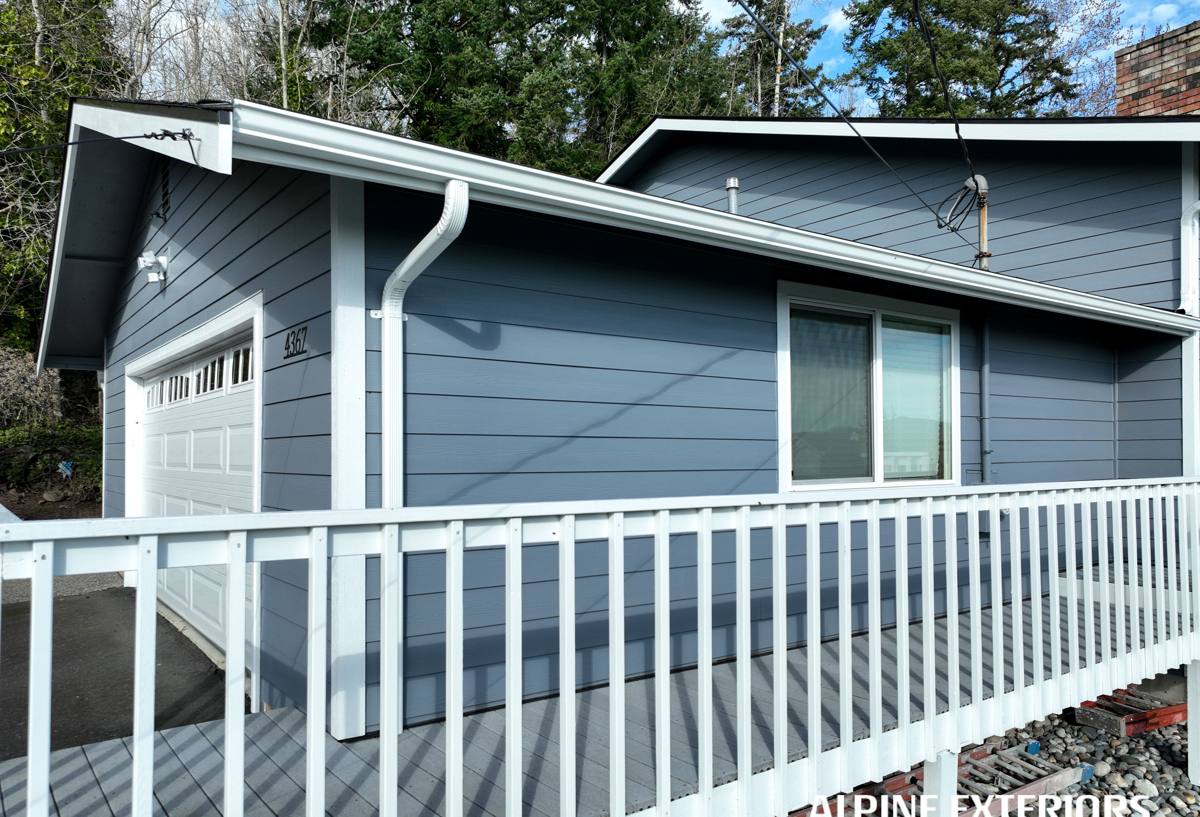
What Coastal Storms Do to an Indian Shores Roof
Wind Uplift and Edge Failure
Roofs don't usually fail in the middle of a slope first — they fail at the edges, corners, and ridge lines, where wind uplift pressure is highest. On a barrier island with almost nothing to break the wind before it hits the roofline, hurricane-force gusts can lift shingles, tiles, or metal panels at the perimeter even when the field of the roof looks intact. Once one section lets go, wind gets underneath the roofing material and the damage spreads fast.
Wind-Driven Rain Intrusion
Florida storms rarely drop rain straight down. Wind-driven rain gets pushed sideways and upward under shingle tabs, around flashing, and through any gap that a calm-weather rain would never reach. This is why a roof can pass a casual visual check after a storm and still be leaking into the attic — the entry point is often small and hidden, and the water travels before it shows up as a ceiling stain.
Year-Round UV and Salt Exposure
Between storms, Indian Shores roofs deal with intense, nearly constant UV exposure and a steady dose of airborne salt. UV breaks down asphalt oils and rubber components over time, making shingles brittle and more likely to crack or lift in the next wind event. Salt air accelerates corrosion on exposed fasteners, flashing, and metal roofing components. Neither of these does dramatic damage on its own, but they weaken a roof's storm resistance year after year, so the same wind speed does more damage to an older, salt-exposed roof than it would to a newer one.
Signs Your Roof Has Storm Damage
Some storm damage is obvious. A lot of it isn't, especially from the ground. After any significant wind or rain event, it's worth checking for the following:
- Missing, cracked, curled, or creased shingles — especially along ridges, edges, and around any roof penetration
- Granules collecting in gutters or at downspout outlets, which signals accelerated shingle wear
- Lifted, bent, or missing flashing around chimneys, vents, skylights, or where the roof meets a wall
- Soft spots, sagging, or visible movement when walking the attic (never the roof itself after a storm)
- Water stains, new odors, or damp insulation in the attic
- Daylight visible through the roof deck from inside the attic
- Debris impact marks, dents, or punctures from wind-blown branches or debris
- Loose or rattling roof vents, ridge caps, or metal panel fasteners
Any one of these on its own might be minor. Several together, or anything involving the attic or interior ceilings, means the repair needs to happen soon rather than waiting for the next storm to make it worse.
Our Storm Damage Repair Process
Storm damage repair isn't just replacing what's visibly missing. Done right, it follows a specific sequence so nothing gets covered up before it's actually addressed.
- On-site inspection. We walk the roof and the attic, not just look from the driveway. Interior checks catch leaks that haven't shown up on the ceiling yet.
- Damage mapping. We document exactly what's affected — which slopes, which components, and whether the deck underneath is sound or compromised.
- Deck assessment. Any water-damaged or soft decking gets identified before new roofing goes over it. Repairing over a bad deck just hides a bigger problem.
- Matching materials. Repairs use materials that match the existing roof's rating and, where possible, its appearance, so the fix doesn't create a mismatched patch or a weak point that ages differently than the rest of the roof.
- Flashing and penetration check. Every vent, pipe boot, and flashing detail near the damaged area gets inspected — these are common leak points that get missed when a repair focuses only on the shingles or panels themselves.
- Final walkthrough. We confirm the repair is watertight and wind-rated for the area before calling the job done, and go over what we found with the homeowner in plain terms.
Matching the Repair to the Damage
Not every storm-damaged roof needs the same scope of work. The table below is a general guide to how damage type typically maps to repair approach — an actual inspection is what determines the right call for your roof.
| Damage Type | Common Cause | Typical Repair | Urgency |
|---|---|---|---|
| Scattered missing/lifted shingles | Wind uplift at exposed edges | Section replacement, matched material | Prompt — prevents spreading |
| Cracked or brittle shingles, heavy granule loss | Long-term UV and salt exposure | Replacement of affected sections; full re-roof if widespread | Moderate, unless leaking |
| Flashing separation at chimney, vents, or walls | Wind-driven rain and thermal movement | Re-flash with proper underlayment tie-in | High — common leak source |
| Soft or stained decking in attic | Sustained water intrusion | Deck section replacement before re-roofing over it | High |
| Punctures or dents from debris impact | Wind-blown branches or debris | Localized patch or panel/section replacement | Prompt |
| Corroded fasteners or metal components | Ongoing salt air exposure | Fastener and component replacement | Moderate |
Materials and Methods for Coastal Durability
A repair on an Indian Shores roof should be built to the same standard the original installation should have met, not just patched to look finished. That means using fasteners and flashing rated for coastal exposure rather than standard-grade hardware that corrodes faster in salt air, sealing every penetration with materials meant to handle sustained wind-driven rain, and following manufacturer nailing and installation patterns for wind resistance rather than shortcuts that pass a visual check but fail in the next high-wind event. On tile or metal roofs, matching fastener spacing and attachment method to the original system matters just as much as matching material — an inconsistent repair section is often the first place the next storm finds a weak point.
We also don't recommend covering unresolved deck damage with new roofing just to close out a job faster. It's a shortcut that shows up later as a leak, and by then it costs more to fix than doing it right the first time.
Insurance and Documentation
Most storm damage repair work on Indian Shores homes involves an insurance claim at some point, given how exposed the area is to named storms. A few things that make that process smoother:
- Get an inspection and documentation as soon as reasonably possible after a storm — damage from wind-driven rain can worsen quickly if left open to the weather
- Ask for clear, dated photos of the damage before any repair work begins
- Keep a written scope of the repair, including what was found in the attic and on the deck, not just the visible roof surface
- Understand that "storm damage" and "wear and tear" are treated differently by insurers — an honest assessment of which applies protects you from a denied claim down the road
We provide the documentation homeowners need to support a claim, but we don't inflate a scope of work to chase a bigger payout. An honest assessment protects you if the claim gets reviewed later.
Why Local Experience on This Stretch of Coast Matters
Indian Shores isn't like a typical Largo or greater Pinellas County subdivision. It's a narrow barrier island with direct, unobstructed exposure to Gulf wind and salt spray on every roof, tighter lots, and in many cases older roofing systems that have already been through multiple storm seasons. A crew that regularly works this specific area knows what that exposure actually does to a roof over time — where storm damage tends to start, which flashing details fail first in this environment, and what materials hold up versus what looks fine at installation but degrades fast once it's exposed to salt air year-round.
That local pattern recognition is the difference between a repair that gets covered up quickly and one that's actually built to handle the next storm season. It also means less guesswork and fewer surprises once a roof is opened up — we've seen what these roofs typically look like underneath before we start.
After the Repair: Reducing Future Storm Risk
A good repair now is only half the picture. A few habits go a long way toward protecting an Indian Shores roof between storms:
- Have the roof inspected before hurricane season each year, not just after a storm hits
- Keep gutters and downspouts clear so wind-driven rain has somewhere to go instead of backing up under the roofline
- Trim back tree limbs that could become wind-blown debris in the next storm
- Address minor issues — a lifted shingle, a loose vent cap — before they become entry points for wind and water
- Keep a record of past repairs and inspections; it helps with both maintenance planning and future insurance claims
If your Indian Shores roof has been through recent wind or rain and you're not sure whether what you're seeing is normal wear or something that needs attention, we're glad to take a look. Use the form below for a free, no-pressure estimate — we'll walk the roof, tell you honestly what we find, and lay out what a proper repair would involve before any work begins.