 Largo Window
 Asphalt Shingle Roofing Built for Belleair's Coastal Exposure
Belleair sits close enough to the Gulf that salt air, humidity, and wind are part of daily life for every roof in the neighborhood. Homes here take a different kind of beating than roofs ten or fifteen miles inland — more direct exposure to storm bands coming off the water, more UV load reflecting off open water and pool decks, and more salt-laden moisture working into fasteners and flashing year-round. Asphalt shingle roofing remains one of the most practical, cost-effective options for these homes, but only when it's specified and installed with that exposure in mind. A shingle roof that would perform fine in a shaded inland subdivision can underperform badly a short drive away in Belleair if the underlayment, fasteners, and ventilation aren't upgraded to match the environment.
This page covers what a correctly built asphalt shingle roof looks like for a Belleair home specifically — not a generic overview of shingle roofing in general.
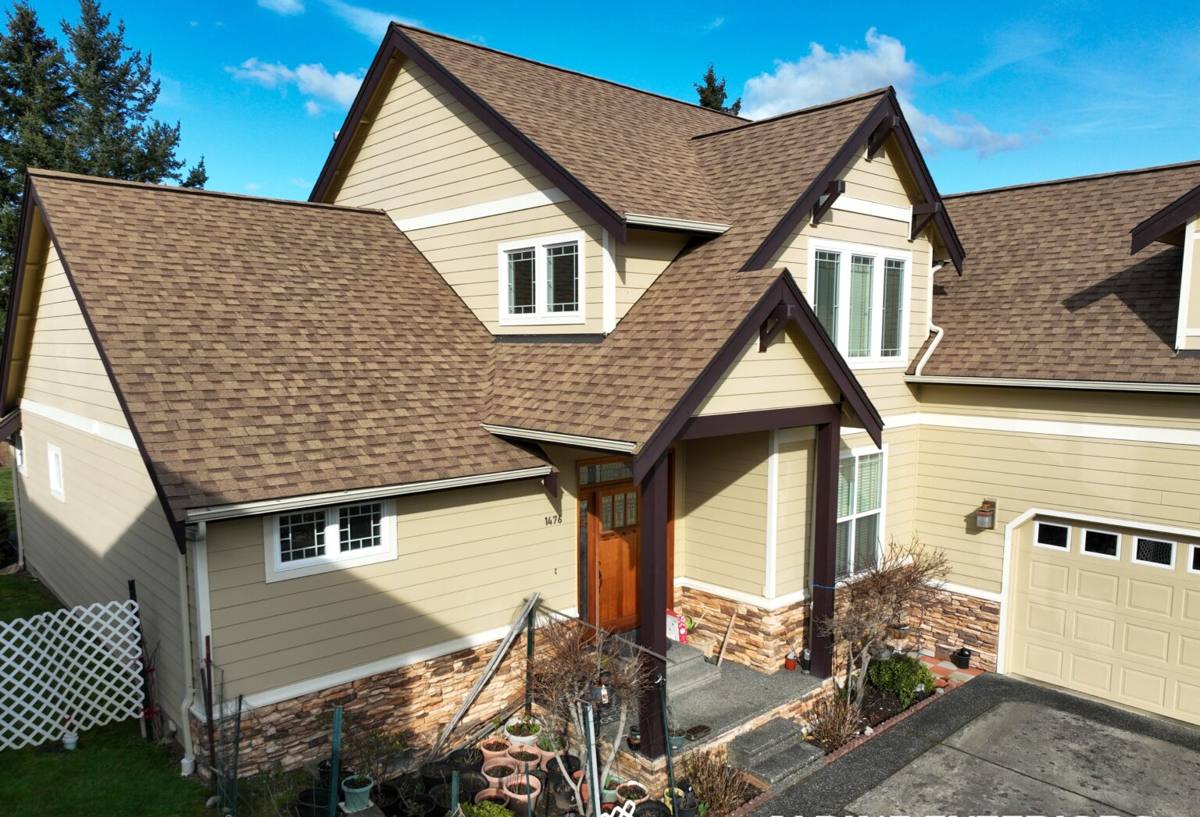
What Belleair's Climate Actually Does to a Shingle Roof
Pinellas County roofs deal with four compounding stresses, and Belleair's proximity to open water intensifies most of them.
Hurricane and Tropical Storm Winds
Wind uplift is the most common cause of early shingle failure on the coast. During tropical systems and even routine summer storms, wind doesn't just push on a roof — it creates negative pressure at the edges and corners that tries to peel shingles upward. Roofs installed with standard nailing patterns and builder-grade shingles are far more likely to lose tabs, or entire courses, in a strong blow than roofs installed to a higher wind-rated spec.
Year-Round UV Load
Florida sun is intense in every season, not just summer. Constant UV exposure breaks down the asphalt in shingles over time, drying out the mat and causing granule loss. Granules are what protect the asphalt layer underneath and give the shingle its fire and impact resistance — once a roof starts shedding granules heavily, it's aging faster than its warranty timeline assumes.
Wind-Driven Rain
Straight-down rain is easy for any roof to shed. Wind-driven rain is different — it can be pushed sideways and even slightly upward under shingle tabs, at ridge caps, and around any roof penetration (vent pipes, chimneys, skylights). This is why underlayment and flashing detail work matter as much as the shingles themselves. A roof can have perfectly good shingles and still leak if the underlayment and flashing weren't built to handle wind-driven moisture.
Salt Air and Corrosion
Being close to the Gulf means airborne salt settles on every exterior surface, including the roof. Over years, salt exposure accelerates corrosion on exposed metal — nail heads, flashing, vent boots, and drip edge. Standard galvanized fasteners corrode faster in this environment than they would inland, which is why fastener and flashing material selection matters more here than in most parts of the county.
What a Correctly Built Shingle Roof Needs in This Area
A roof that's going to hold up in Belleair isn't just "shingles nailed to plywood." It's a system, and every layer of that system needs to be matched to local conditions.
- Wind-rated shingles — architectural (laminated) shingles rated for high wind speeds, installed with the manufacturer's high-wind nailing pattern, not the minimum pattern.
- Enhanced fastening — correct nail count per shingle, nails driven flush (not overdriven or underdriven), and placement within the manufacturer's nailing zone.
- Full synthetic or self-adhered underlayment — a continuous secondary water barrier under the shingles, with self-adhered membrane at eaves, valleys, and other vulnerable transitions.
- Corrosion-resistant metal — flashing, drip edge, and vent boots suited to salt-air exposure rather than the cheapest available stock metal.
- Proper attic ventilation — balanced intake and exhaust airflow so heat and moisture don't build up under the deck, which shortens shingle life from underneath.
- Sealed penetrations — every pipe boot, vent, and roof-mounted fixture properly flashed and sealed, since these are the most common leak points in wind-driven rain.
Choosing the Right Shingle for a Belleair Roof
Not every asphalt shingle product on the market is a good match for this exposure. The table below outlines the practical trade-offs homeowners in this area should weigh.
| Shingle Type | Wind Performance | Best Fit For | Trade-Offs |
|---|---|---|---|
| 3-tab shingles | Lower wind rating, lighter weight | Budget-conscious re-roofs on lower-exposure structures | Shorter lifespan in coastal wind; less impact resistance |
| Architectural (laminated) shingles | Higher wind rating, heavier and more rigid | Most Belleair homes — the standard recommendation | Higher material cost than 3-tab, though installed cost difference is often modest |
| Impact-resistant (Class 4) shingles | High wind rating plus hail/impact resistance | Homes seeking maximum durability or insurance premium credits | Highest upfront cost; not all insurers offer the same discount |
For most Belleair homes, a high-wind-rated architectural shingle strikes the right balance of cost and durability. Class 4 impact-resistant shingles are worth a look for homeowners who want the added protection and want to ask their insurer about a possible premium credit — but that's a conversation to have with your insurance agent, since credits and requirements vary by carrier.
Our Installation Process
We approach every Belleair roof the same methodical way, because skipping steps is exactly where coastal roofs get into trouble.
1. Roof Inspection and Deck Assessment
Before any tear-off begins, we inspect the existing roof structure and decking. Soft, delaminated, or water-damaged plywood gets identified and addressed — installing new shingles over a compromised deck just hides a bigger problem.
2. Tear-Off and Deck Prep
We remove the old roofing down to the deck, check nailing patterns on the sheathing itself, and replace any damaged boards before moving forward.
3. Underlayment and Flashing
This is where most of the storm-readiness of a roof actually comes from. We install a continuous underlayment system with self-adhered membrane at eaves, valleys, and penetrations, and set new drip edge and step/counter flashing suited to salt-air conditions.
4. Shingle Installation
Shingles go down using the high-wind nailing pattern specified for the product, with attention to proper alignment, exposure, and sealing at ridges and hips.
5. Ventilation Check
We confirm the attic has balanced intake and exhaust ventilation, adding or correcting vents where needed so the new roof isn't fighting trapped heat and moisture from day one.
6. Final Walkthrough
We walk the completed roof and the property with the homeowner, review the work, and make sure any questions about maintenance or warranty coverage are answered before we consider the job finished.
Signs a Belleair Roof Needs Attention
Coastal wear doesn't always show up as an obvious leak first. Homeowners should watch for:
- Granules collecting in gutters or at downspout outlets
- Curling, cupping, or lifted shingle edges, especially on south- and west-facing slopes
- Cracked or missing shingles after a windstorm, even a minor one
- Rust staining around vent boots, flashing, or exposed fasteners
- Soft spots or sagging when walked, which can indicate deck damage underneath
- Daylight visible through the attic decking, or water stains on interior ceilings
Catching these early is almost always cheaper than waiting for an active leak, since deck damage tends to spread once moisture gets past the shingle layer.
Maintenance That Actually Extends Roof Life Here
Asphalt shingle roofs in this climate benefit from a bit more attention than the same roof would need further inland. A few habits make a real difference over the life of the roof:
- Keep gutters and downspouts clear so water isn't backing up under the eave line during heavy rain.
- Trim overhanging branches to reduce debris buildup and abrasion during wind events.
- Have the roof looked at after any named storm, even if nothing looks obviously wrong from the ground.
- Rinse heavy salt residue or debris off the roof surface periodically rather than letting it sit indefinitely.
- Address minor flashing or sealant issues promptly instead of waiting for a full leak to develop.
Why Local Installation Experience Matters
Asphalt shingle roofing looks like a standardized product on paper, but the installation details that actually determine how long it lasts are shaped by the environment it's going into. A crew that primarily works inland jobs may default to standard nailing patterns and standard flashing details because that's what performs fine where they usually work. A crew that regularly works Pinellas County's coastal communities, including Belleair, builds in the wind-rated nailing, upgraded underlayment, and corrosion-resistant metal as standard practice — not as an upsell — because they've seen what happens when those details get skipped this close to the water.
We also understand the practical side of working in this area: permitting requirements through the relevant local building department, wind-load and code considerations for Pinellas County, and scheduling around the seasonal weather patterns that affect when re-roofing work can safely proceed.
Get a Straightforward Roof Estimate
If your Belleair home's roof is showing wear, due for replacement, or you just want an honest read on its condition, we're happy to take a look. There's no pressure and no obligation — just a clear assessment of what your roof needs and what it would take to do the job right. Use the form below to request your free estimate.