 Largo Window
 Why Oldsmar Roofs Wear Differently Than Roofs Inland
Oldsmar sits close enough to Tampa Bay and the Gulf that its homes deal with a combination of stresses that inland Florida roofs simply don't see as often. Wind-driven rain off the water finds its way under poorly sealed shingles. Salt-laden air accelerates corrosion on exposed fasteners, flashing, and vent components. And because this part of Pinellas County gets nearly year-round sun, UV exposure breaks down shingle asphalt and granule adhesion faster than in shadier, cooler climates. None of this means an asphalt shingle roof is a bad choice here — it remains one of the most cost-effective, widely available, and repairable roofing systems on the market. It means the installation has to account for these conditions from the start, not as an afterthought.
A shingle roof installed the same way you'd install one in a mild inland climate will underperform in Oldsmar. The nailing pattern, underlayment choice, flashing details, and shingle wind rating all need to be matched to what this specific area actually experiences: tropical storm and hurricane-force gusts, intense afternoon UV, humidity that never really lets a roof dry out completely, and salt air that shortens the life of unprotected metal.
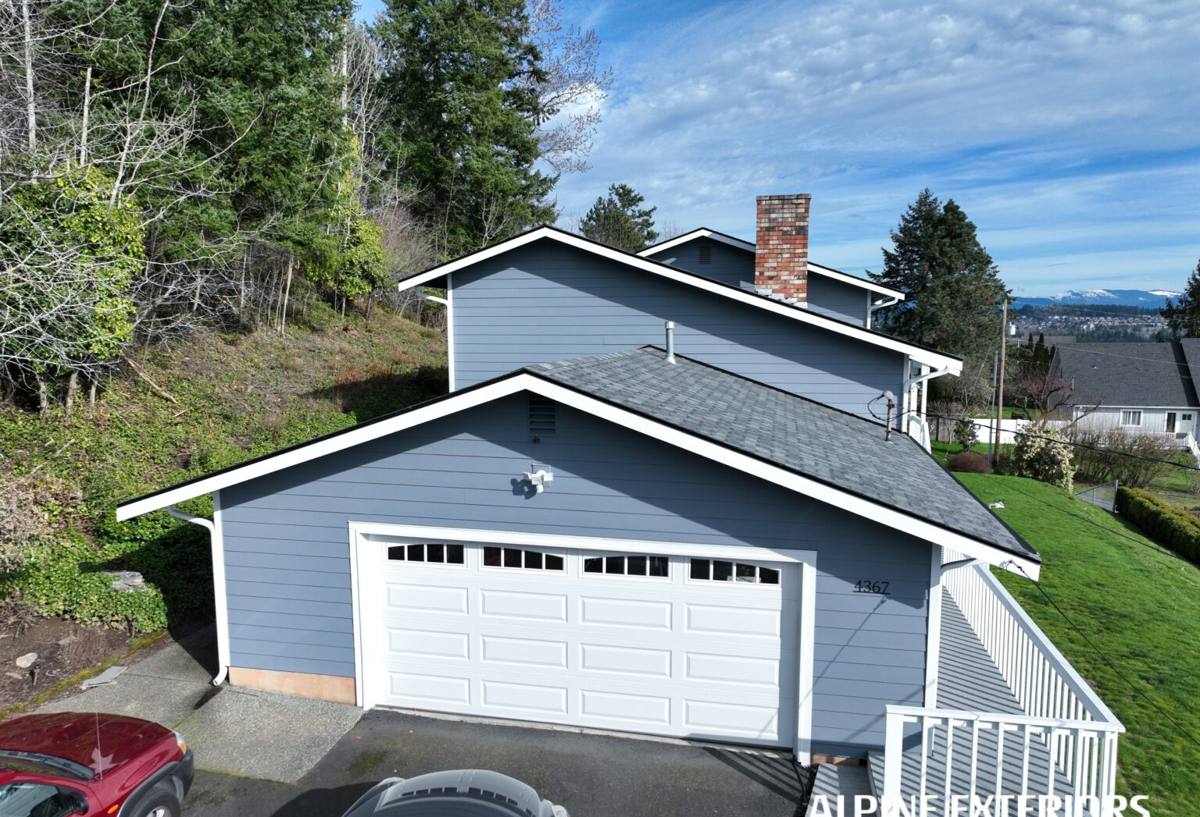
Signs an Oldsmar Roof Needs a Closer Look
Asphalt shingle roofs rarely fail all at once. They show warning signs first, and catching them early is almost always cheaper than waiting for a leak to show up on the ceiling.
- Granules collecting in gutters or at downspout outlets, which signals accelerated UV breakdown of the shingle surface
- Shingles that look curled, cupped, or lifted at the edges, especially on the roof faces that catch the most sun and wind
- Missing or torn shingles after a storm, even if there's no visible leak yet
- Dark streaking or staining, which is usually algae growth rather than structural damage, but worth having assessed
- Soft spots or sagging when walked on, which can indicate deck damage underneath
- Visible daylight or water stains in the attic, particularly around vents, chimneys, or valleys
- A roof approaching or past 18-20 years old, which is the realistic service window for standard three-tab or architectural shingles in this climate
If you're seeing any combination of these, it's worth having someone look at the roof before the next named storm rather than after.
What a Correct Asphalt Shingle Install Actually Involves
Tear-Off and Deck Inspection
A proper reroof starts with removing the old roofing down to the deck, not layering over it. This lets us actually see the plywood or OSB underneath, check for soft or delaminated sections, and replace anything compromised before new material goes down. Roofing over a bad deck hides a problem instead of fixing it, and it also voids most manufacturer warranties.
Underlayment and Water Barrier
In a coastal-influenced climate like this one, we treat underlayment as a real second layer of protection, not a formality. Synthetic underlayment across the full roof, combined with self-adhering ice-and-water style membrane at vulnerable points — valleys, eaves, around penetrations — gives the roof a backup barrier if wind ever drives rain up under the shingles themselves, which it will during a strong storm.
Fastening and Wind Resistance
Nailing pattern matters more here than in most parts of the country. Florida Building Code sets minimum nail counts and placement for high-velocity wind zones, and we don't treat those as a ceiling — proper nail placement (not staples, not overdriven or underdriven nails) is one of the single biggest factors in whether a roof stays intact in a windstorm.
Flashing and Penetrations
Most roof leaks don't come from the shingle field — they come from flashing: around chimneys, skylights, plumbing vents, and where a roof plane meets a wall. We use corrosion-resistant flashing given the salt air exposure here, and we replace flashing during a reroof rather than reusing old, pitted pieces just to save a step.
Ventilation
An asphalt shingle roof needs balanced intake and exhaust ventilation to let heat and moisture escape the attic. Without it, shingles bake from underneath as well as above, shortening their life, and trapped moisture creates conditions for wood rot and mold. Getting ventilation right is part of the install, not an optional upgrade.
Choosing a Shingle That Makes Sense for This Area
Not every asphalt shingle product is built for the same conditions, and the right choice depends on your budget, your roof's exposure, and how long you plan to stay in the home.
| Shingle Type | Typical Wind Rating | Best For |
|---|---|---|
| Standard 3-tab | Lower wind rating, lighter weight | Budget-conscious reroofs on less exposed roof faces |
| Architectural / laminated | Higher wind rating, thicker profile | Most Oldsmar homes; better balance of cost, durability, and appearance |
| Impact-resistant (Class 4) | Highest wind and impact rating | Homes seeking maximum durability and possible insurance premium credits |
We'll go over manufacturer wind ratings and warranty terms specific to the products we install, since these details change between product lines and it's important you're comparing accurate numbers, not marketing language.
Cost Factors Homeowners Should Understand
There's no single price for "a roof" — the honest answer is always "it depends," and here's what it actually depends on:
| Factor | Why It Matters |
|---|---|
| Roof size and pitch | More square footage and steeper slopes mean more material and labor time |
| Number of layers to remove | Tear-off of multiple existing layers adds disposal and labor cost |
| Deck condition | Rotted or damaged plywood/OSB sections require replacement before new roofing goes down |
| Shingle tier chosen | 3-tab, architectural, and impact-resistant products carry different material costs |
| Roof complexity | Valleys, dormers, skylights, and multiple penetrations add labor and flashing work |
| Ventilation upgrades | Adding or correcting intake/exhaust vents affects both cost and long-term performance |
We give written estimates that break these factors down so you can see exactly what you're paying for, rather than a single lump-sum number.
Permits, Codes, and Insurance in Pinellas County
Reroofing in Pinellas County requires a permit, and the work has to meet Florida Building Code requirements for high-velocity hurricane and wind-borne debris zones. That code governs everything from nailing patterns to underlayment to how the roof is tied into the structure. We handle the permitting and inspection process as part of the job rather than leaving it on the homeowner.
It's also worth knowing that a new roof, especially one built with wind-rated shingles and proper fastening, can qualify a home for a wind mitigation inspection and potential homeowners insurance discounts. We can't promise a specific savings figure since that's between you and your insurer, but a documented, code-compliant install gives you the paperwork to make that case.
Our Process From Estimate to Cleanup
Inspection and Estimate
We walk the roof, check the attic where accessible, and put together a written estimate that explains what we found and what we recommend — not just a price.
Material Selection
We go over shingle options, colors, and warranty terms so you're choosing based on real information about wind rating, appearance, and cost, matched to your roof's exposure.
Scheduling and Protection
Before work starts, we protect landscaping, gutters, and the areas around the home from falling debris, and we plan the job around weather rather than rushing it into a forecast window that doesn't allow it.
Tear-Off, Deck Repair, and Install
Old roofing comes off, the deck gets inspected and repaired as needed, and the new system goes down in the order that actually protects the home: deck, water barrier, underlayment, flashing, shingles, ridge and vent components.
Final Inspection and Cleanup
We do a final walk-through, arrange the required code inspection, and do a thorough site cleanup, including a magnetic sweep for stray nails around the property.
Maintenance That Extends Roof Life in This Climate
A shingle roof isn't maintenance-free, especially under year-round Florida sun and periodic tropical weather. A few habits go a long way:
- Keep gutters clear so water isn't backing up under the shingle edge
- Trim overhanging branches that scrape shingles or drop debris
- After any significant storm, do a visual check (from the ground, or have us check) for lifted or missing shingles
- Address small leaks or flashing issues promptly rather than waiting for them to spread
- Have the roof looked at periodically rather than only when there's an obvious problem
Why It Matters to Hire a Crew That Already Works in Oldsmar
A crew that regularly works Oldsmar and the surrounding Largo and Pinellas County area already understands the local permitting process, the wind zone requirements that apply here, and how salt air and coastal storm exposure actually affect a roof over time — not just in theory. That familiarity shows up in the details: the flashing choices, the underlayment strategy, the fastening pattern, and the follow-through on permitting and inspections. A roof is a long-term investment in the home, and getting those details right the first time matters more here than in a milder climate, because this roof will be tested by real wind and rain, not hypothetical conditions.
If you'd like an honest look at your roof's condition and a straightforward estimate for asphalt shingle roofing on your Oldsmar home, we're glad to come take a look. There's no pressure and no obligation — just a clear assessment and options, using the form below.