 Largo Window
 Why Kenneth City Roofs Wear Differently Than Roofs Inland
Kenneth City sits close enough to the Gulf that roofs here deal with a combination of stresses that inland Florida homes rarely see all at once. Salt-laden air corrodes exposed metal fasteners and flashing faster than fresh water ever would. Intense, near-daily UV exposure bakes shingle granules and dries out sealants year-round, not just in summer. And when a tropical system or a fast-moving summer storm rolls through, wind-driven rain gets pushed sideways under laps and seams that would stay dry in a normal vertical downpour. None of these forces are dramatic on their own, but stacked together over years, they shorten the useful life of a roof that wasn't repaired with this specific climate in mind.
That's the core problem with generic roof repair: a patch that would hold up fine in a milder climate can fail here in a single season because it wasn't detailed for wind uplift, salt corrosion, or UV breakdown. A repair done right for a Kenneth City home has to account for all three, not just stop the leak that's visible today.
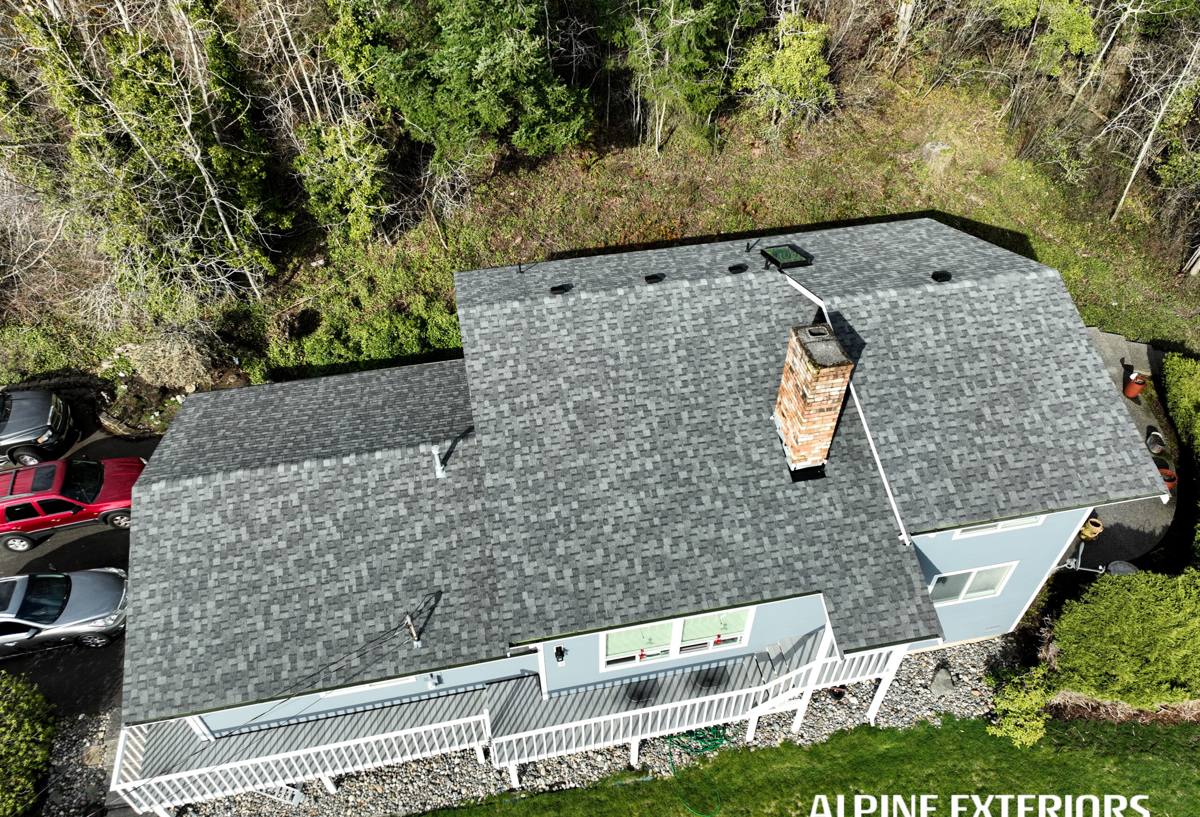
Signs a Kenneth City Roof Needs Repair, Not Just a Look
Most roof problems in this area don't start as a dramatic leak — they start small and get ignored because the damage is easy to miss from the ground. Here's what we tell homeowners to watch for between inspections:
- Granules collecting in gutters or at the base of downspouts (a sign of UV-driven shingle wear)
- Curling, cracking, or lifted shingle edges, especially on the roof faces that catch the most afternoon sun
- Rust streaking below metal flashing, vents, or fasteners — an early salt-air corrosion signal
- Soft spots, sagging, or discoloration on interior ceilings after a heavy rain
- Missing or displaced shingles/tiles after any storm with sustained wind, even if nothing "looks" damaged from the street
- Visible daylight through the attic decking, or a musty smell in the attic space
- Cracked or dried-out pipe boots and sealant around any roof penetration
Any one of these on its own doesn't mean a full re-roof is coming. It usually means a targeted repair now saves a much larger repair — or a full replacement — later.
What a Correct Roof Repair Actually Involves
It Starts With Finding the Real Source
Water rarely enters a roof exactly where it shows up on the ceiling. It travels along decking, rafters, and underlayment before it drips somewhere visible. A repair that just patches the ceiling stain's rooftop counterpart, without tracing the actual entry point, tends to resurface within a season. Our process always starts on the roof itself, checking flashing, seams, penetrations, and the surrounding field of material — not just the spot the homeowner points to.
Flashing and Penetrations Get as Much Attention as the Field Material
In our experience, the majority of leaks on repairable roofs trace back to flashing — around chimneys, skylights, wall-to-roof transitions, and pipe boots — rather than failure of the shingles or tiles themselves. Salt air accelerates corrosion on exposed metal fasteners and thin flashing, so a repair that reuses compromised flashing is a repair that's likely to leak again. We replace flashing and boots as part of the repair scope when they're the actual failure point, not just seal over them.
Matching Materials, Not Just Covering the Hole
A patch that doesn't match the surrounding shingle or tile profile, weight, and fastening pattern creates a new weak point — a seam where wind can catch an edge during the next storm. We match material type and installation method to what's already on the roof wherever possible, and we're upfront when an exact match isn't available so you can decide how visible you're willing to let a repair be.
Underlayment Is Part of the Job When It's Compromised
Shingles and tiles are the first line of defense, but the underlayment beneath them is what actually keeps a home dry if wind-driven rain gets past the surface layer. If a leak has been active long enough to compromise the underlayment in that area, patching only the visible surface layer leaves the real vulnerability in place. We check and address underlayment condition in the repair area, not just the top layer.
Roof Repair vs. Roof Replacement: How We Help You Decide
Not every damaged roof needs to come off. But some roofs are past the point where repair is the responsible recommendation. We walk homeowners through the honest version of that decision rather than defaulting to the bigger job.
| Factor | Repair Usually Makes Sense | Replacement Should Be Considered |
|---|---|---|
| Age of roof | Well within its expected service life | Nearing or past the material's typical lifespan |
| Extent of damage | Localized to one area or a few isolated spots | Widespread across multiple roof faces |
| Underlayment condition | Sound outside the immediate repair area | Degraded broadly, not just at the leak site |
| Prior repair history | First or second repair in this area | Repeated repairs to the same section over time |
| Storm/wind exposure | Isolated wind or debris event | Repeated uplift damage or fastener pull-through |
We'll always tell you plainly which side of that table your roof falls on, and why — including when the honest answer is that a repair will hold up fine for years to come.
Our Roof Repair Process
- Inspection and diagnosis: We get on the roof (not just the ground) to trace the actual source of the problem, including flashing, penetrations, and the surrounding field material.
- Written scope and honest estimate: You get a clear explanation of what's damaged, why, and what the repair will and won't address — no pressure toward a bigger job than the roof needs.
- Repair with matched materials: We replace compromised flashing, underlayment, and field material as needed, matched to what's already on your roof.
- Fastening and sealing detailed for wind and rain: Given the wind exposure this area sees, fastening patterns and sealant work are done to hold up against uplift and wind-driven rain, not just static weather.
- Cleanup and final check: Debris cleared, the repair area reviewed with you before we consider the job done.
Cost Factors for Roof Repair
Every roof and every leak is different, so we don't quote sight unseen — but these are the main factors that drive cost up or down on a typical repair:
| Factor | How It Affects Cost |
|---|---|
| Size and location of damaged area | Larger or harder-to-access areas take more labor and material |
| Roof material type | Tile and metal repairs generally involve more specialized labor than asphalt shingle |
| Roof pitch and accessibility | Steeper or taller roofs require more safety setup and time |
| Extent of underlayment or decking damage | Repairs that go beyond the surface layer add material and labor |
| Flashing replacement needs | Corroded flashing around chimneys, walls, or penetrations adds scope |
Broadly, most straightforward, localized roof repairs land in the low hundreds to low thousands of dollars, with the range widening for larger areas, tile roofs, or repairs that uncover deeper decking or underlayment damage once we're on the roof. We'll never guess at a number without seeing the roof, and we'll tell you upfront if what we find changes the original scope.
Why a Crew That Already Works in Kenneth City Matters
A roofer who works this specific part of Pinellas County regularly has already seen how local roofs age — which flashing details fail first in salt air, which roof orientations take the worst UV punishment, and which repair shortcuts don't survive the next windstorm. That familiarity shows up in faster, more accurate diagnosis and in repair choices that are built for what this roof will actually face over the next several years, not generic textbook conditions.
It also matters for response time. When a storm passes through and a roof starts leaking, having a crew that's already local — not driving in from across the county or from out of state — means a faster inspection and a faster tarp-and-repair turnaround, which limits how much interior damage a leak causes before it's addressed.
Maintenance Between Repairs
A repair is only as good as the maintenance around it. A few habits go a long way for roofs in this climate:
- Keep gutters and downspouts clear so water isn't sitting against roof edges and fascia
- Trim back overhanging branches that scrape shingles or tiles in wind
- After any significant storm, do a ground-level visual check for missing or displaced material
- Have the roof professionally inspected on a regular schedule, not just when a leak appears
- Address small issues — a cracked pipe boot, a lifted shingle corner — before the next heavy rain, not after
Roofs in Pinellas County simply don't get a break between hurricane season, relentless sun, and salty coastal air. Staying ahead of small issues is what keeps a repair from turning into a replacement years before it should.
Get a Straight Answer on Your Roof
If you're dealing with a leak, storm damage, or just want an honest read on where your roof stands, we're glad to take a look. Fill out the form below for a free, no-pressure estimate — we'll tell you what we find and what it actually needs, nothing more.