 Largo Window
 Why Clearwater Homes Need Siding Built for This Climate
Homes in the Clearwater area sit close enough to the Gulf that salt air is a daily fact of life, not an occasional nuisance. Add in Pinellas County's intense year-round UV exposure, the wind-driven rain that comes with almost every summer thunderstorm, and the real possibility of hurricane-force winds during storm season, and you end up with an exterior envelope that gets tested harder than in most parts of the country. Siding here isn't just a cosmetic layer — it's the first line of defense between your framing and a climate that never really lets up.
We install James Hardie fiber cement siding exclusively. That's not a marketing angle — it's a standard we've held to because we've seen how differently siding materials perform once they've spent a few years facing Clearwater's sun, humidity, and salt-laden air. This page covers what that means specifically for a James Hardie install on a Clearwater home: what the climate demands, what correct installation actually involves, and how our process protects the investment.
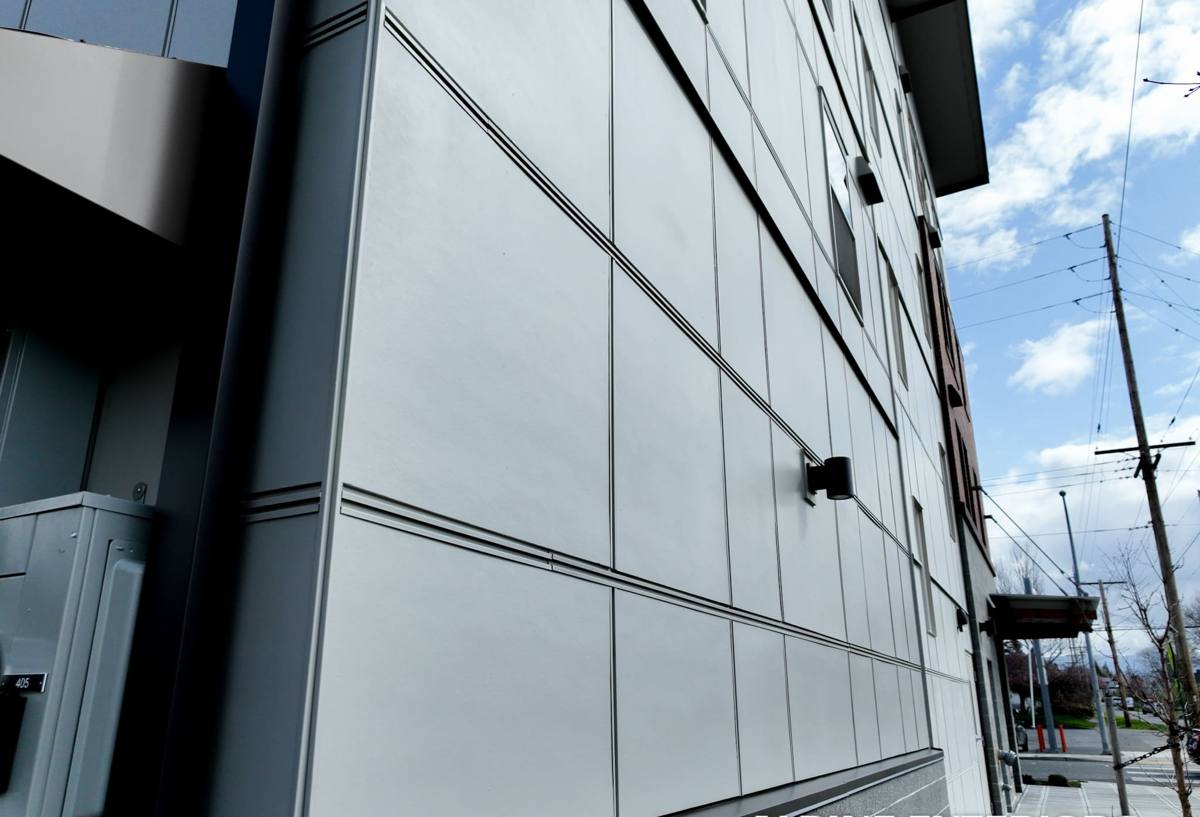
What Salt Air, UV, and Wind-Driven Rain Actually Do to Siding
Salt Air
Airborne salt is corrosive to metal fasteners and trim, and it accelerates the breakdown of coatings that aren't formulated to resist it. Over years, materials with weaker factory finishes can chalk, fade unevenly, or need repainting sooner than a homeowner expects — especially on the side of the house that faces prevailing coastal winds.
UV Exposure
Florida sun is relentless. Siding materials with lower-grade coatings or that rely entirely on field-applied paint tend to fade and become brittle faster under sustained UV than products engineered with a baked-on factory finish. That fading is rarely uniform, which is what makes a south- or west-facing wall look tired years before the rest of the house does.
Wind-Driven Rain
It's not the rain itself that causes problems — it's rain forced sideways and upward under pressure during storms. That kind of moisture finds every gap in flawed flashing, loose caulking, or improperly lapped siding. Materials that swell, wick moisture, or delaminate when repeatedly wetted are a poor match for this pattern of weather.
Hurricane-Force Wind
Wind load is a structural issue, not just a weather annoyance. Siding has to stay fastened and intact under sustained gusts, and the fastening pattern, starter strip, and clearances matter as much as the material itself when a storm actually arrives.
Why We Standardized on James Hardie
James Hardie fiber cement is non-combustible, dimensionally stable, and finished with the ColorPlus factory-applied coating system, which is baked on under controlled conditions rather than sprayed or brushed on site. That matters directly for the four stressors above: fiber cement doesn't warp or rot the way wood-based products can, it resists the fade and chalk that plague weaker coatings under UV, and it holds up structurally under wind loads when installed to Hardie's published specifications.
Hardie also engineers specific product lines for different climate zones — their HZ5 line is built for regions like ours that see high humidity and storm exposure, with formulation differences that matter more than most homeowners realize. We don't install LP SmartSide, vinyl, Cemplank, Allura, primed spruce, or cedar. Each of those has genuine strengths in the right application, but none of them held up to the combination of trade-offs — moisture behavior, maintenance burden, installation sensitivity, or warranty structure — that we require for homes in this climate. James Hardie's fiber cement system, installed correctly, is what we're willing to put our name behind.
Choosing the Right Hardie Product and Profile
Not every Hardie product is the same, and picking the right one for a Clearwater home is part of doing the job right.
| Product Line | Best Use | Why It Fits This Climate |
|---|---|---|
| HardiePlank Lap Siding | Most common wall application | Classic profile, widest color range, proven long-term performance in coastal humidity |
| HardiePanel Vertical Siding | Accent walls, gables, modern facades | Clean lines that hold up well against UV fading with ColorPlus finish |
| HardieTrim Boards | Corners, fascia, window and door trim | Resists the moisture intrusion points where wind-driven rain typically causes trouble |
| HardieSoffit Panels | Eaves and overhangs | Non-combustible, ventilated options that resist humidity-driven degradation |
We walk homeowners through profile (smooth vs. cedar-textured), color (factory ColorPlus vs. primed for paint), and plank exposure width based on the home's architecture — not a one-size-fits-all recommendation.
What a Correct Installation Actually Involves
Fiber cement siding is only as good as the installation behind it. A rushed or by-the-book-only crew can install the right material the wrong way, and the failures that follow — moisture intrusion, fastener pop, wind damage — usually show up years later, after the crew is long gone.
- Proper weather-resistive barrier and correct overlap before the first plank goes up
- Flashing at every window, door, and penetration point, not just caulk covering a gap
- Correct starter strip installation so the bottom course sits at the right angle and clearance
- Minimum clearance from grade, roofline, and decking per Hardie's published requirements
- Fastener type, spacing, and embedment matched to Hardie's wind-zone specifications for this area
- Proper joint treatment and caulking at butt joints, corners, and trim intersections
- Field-cut edges sealed or primed per Hardie's application instructions
Skipping any one of these doesn't necessarily show up on day one. It shows up two or three storm seasons later, when wind-driven rain finds the gap that wasn't flashed correctly, or when a gust catches a course that wasn't fastened to spec.
Our Process for a Clearwater Siding Job
| Step | What Happens |
|---|---|
| 1. On-site assessment | We inspect existing siding, sheathing, and moisture points, and measure the home for material takeoff |
| 2. Product and color selection | Homeowner selects Hardie product line, profile, and ColorPlus color |
| 3. Tear-off and sheathing check | Old siding removed; sheathing inspected and repaired if water damage is found underneath |
| 4. Weather barrier and flashing | House wrap and flashing installed at every penetration before siding starts |
| 5. Siding installation | Installed to Hardie's fastening and clearance specifications for this wind zone |
| 6. Trim, caulking, and final inspection | Joints sealed, trim finished, and the full job walked before we call it done |
Cost Factors for a James Hardie Siding Job
Every home is different, so we won't quote a number without seeing the job, but the main variables that move the price are worth understanding upfront.
| Factor | Why It Matters |
|---|---|
| Home size and wall complexity | More corners, gables, and dormers mean more cutting, flashing, and labor time |
| Condition of existing sheathing | Water-damaged sheathing found during tear-off adds repair work before siding can go up |
| Product line and profile | HardiePanel, HardiePlank, and trim combinations vary in material cost |
| ColorPlus vs. primed | Factory-finished ColorPlus costs more upfront but skips a future repaint |
| Access and site conditions | Multi-story sections, tight lot lines, or landscaping can add labor time |
Maintenance and the Reality of a Warranty
One reason we point homeowners toward Hardie is the manufacturer's warranty structure, backed by a transferable warranty that carries real weight if the home changes hands. But a warranty only holds up if the installation met the manufacturer's specifications in the first place — which is why the installation details above aren't optional extras, they're what keeps the warranty valid.
Maintenance on a correctly installed Hardie system is minimal compared to wood-based or vinyl alternatives: periodic rinsing to clear salt residue, an eye on caulking at joints every year or two, and prompt attention if a panel is ever impacted. There's no repainting cycle to plan around with ColorPlus finishes, which matters a lot to homeowners tired of scheduling exterior paint jobs around Florida's humidity windows.
Signs Your Current Siding Is Losing the Fight
- Visible warping, buckling, or soft spots when pressed
- Paint that's peeling, chalking heavily, or fading unevenly by wall orientation
- Gaps opening at seams, corners, or trim joints
- Soft or discolored sheathing visible at outlets, vents, or siding edges
- Increased pest activity at the base of exterior walls
- Rising energy bills that track with worsening exterior condition
Any of these are worth a look before the next storm season, not after.
Why Hiring a Crew That Already Works Clearwater Matters
Wind-zone requirements, flashing details, and material choices that work well in a drier inland climate don't always translate directly to a coastal Pinellas County property. A crew that regularly works in Clearwater and the surrounding Largo area already understands the local wind exposure categories, has handled the humidity and salt-air conditions that affect cure times and material handling, and has seen firsthand which installation shortcuts cause problems here versus elsewhere. That local, repeated experience is part of what separates a siding job that holds up through hurricane season after hurricane season from one that needs attention again in a few years.
Get a Free, No-Pressure Estimate
If your Clearwater-area home needs new siding, or you're planning ahead of the next storm season, we're glad to take a look and walk you through what a correct James Hardie installation would involve for your specific home — no pressure, no obligation. Use the form below to request a free estimate.