 Largo Window
 Board & Batten on a Barrier Island Isn't the Same Job as Board & Batten Inland
Belleair Beach sits on a narrow strip of land between the Gulf and the Intracoastal, which means almost every home here catches salt-laden air, direct sun, and wind off open water on a daily basis — not just during storms. Board and batten siding has become a popular look for coastal Pinellas County homes because the vertical lines and shadow reveal read as clean and modern, but the style only holds up long-term if the material underneath it is chosen and installed for this specific exposure. A board and batten profile that looks identical in a showroom photo can perform very differently once it's facing year-round UV, wind-driven rain, and salt air fifteen minutes from open water.
That's the real conversation for a Belleair Beach homeowner: not just "do I like the vertical board look," but "what is this board and batten siding made of, and will it still be doing its job in fifteen years." We install one product for exactly this reason.
What Board and Batten Actually Is
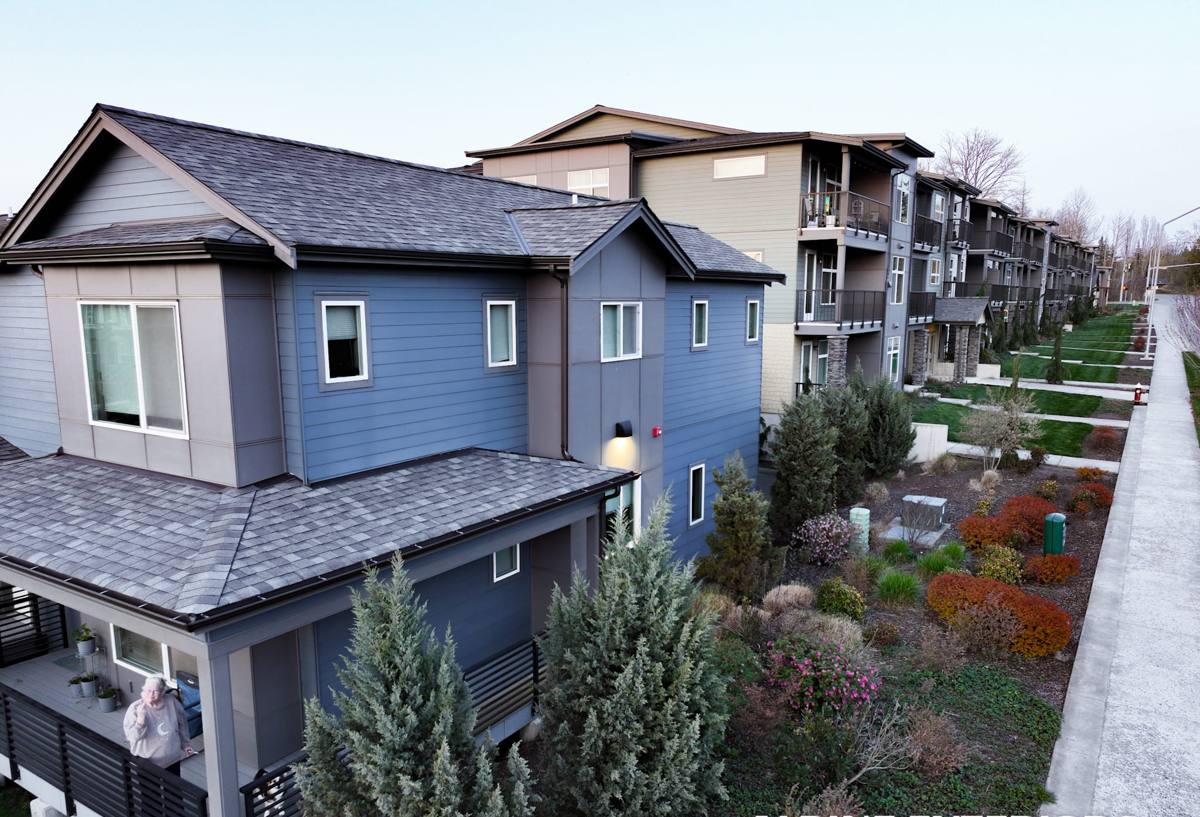
Board and batten is a siding profile, not a material. It's built from wide flat panels (or wide boards) installed vertically, with narrower strips — the battens — covering the seams between them. The result is a rhythmic, shadow-lined exterior that reads as more contemporary or more traditional/farmhouse depending on trim details and color choice. It's used on full elevations, on gable ends and dormers, and as an accent band paired with horizontal lap siding.
The profile can be built out of several different materials, and this is where most of the long-term performance differences show up:
- Vinyl board and batten panels — inexpensive and low-maintenance, but they can warp or distort in high heat and are limited in how well they resist wind-driven debris
- Solid or engineered wood boards and battens — the traditional look, but wood is the most vulnerable of all these options to coastal humidity, rot, and repeat repainting
- Fiber cement board and batten (James Hardie) — engineered cement-based panels and battens designed to hold paint, resist moisture intrusion, and stay dimensionally stable in heat and humidity
We install James Hardie fiber cement exclusively, and board and batten is one of the profiles where that decision matters the most, because this style lives or dies on straight lines and tight seams — and those are exactly what a coastal climate attacks first.
Why Belleair Beach's Climate Is Harder on This Profile Specifically
A flat lap siding board sheds water in one direction and has fewer seams exposed to the weather. Board and batten, by design, has a vertical seam under every batten strip — more linear footage of joint per square foot of wall than almost any other siding profile. In a Pinellas County coastal environment, every one of those seams is a potential entry point for wind-driven rain if it isn't detailed correctly, and every batten face takes direct UV exposure most of the day.
Three things are working against board and batten siding in Belleair Beach specifically:
Wind-Driven Rain
Storms here don't just drop rain straight down — gusts push it sideways and upward under laps and behind battens. A board and batten installation needs proper water-resistive barrier, correctly lapped house wrap, and the right fastening pattern behind every seam, or moisture works its way behind the panel over time.
Salt Air and Corrosion
Being this close to the Gulf means airborne salt settles on every exterior surface, including fasteners. Standard fasteners corrode faster here than a few miles inland, and a corroding fastener under a batten strip is invisible until the batten starts to loosen.
Year-Round, High-Angle UV
Florida sun breaks down paint film and degrades weaker substrates faster than almost anywhere else in the continental U.S. Board and batten's narrow vertical faces catch sun most of the day, so whatever's under the paint has to hold up to sustained heat and UV, not just occasional exposure.
What a Correct Board and Batten Installation Involves
The finished look is the easy part to judge from the street. The part that determines whether the siding is still performing in ten or fifteen years is underneath it, and it's worth knowing what to expect from a job done right:
- Properly lapped, continuous water-resistive barrier behind the entire assembly — no gaps at seams or penetrations
- Correct fastener type, spacing, and embedment for the specific James Hardie panel and batten profile, sized for local wind load requirements
- Batten strips fastened independently, not just decoratively nailed through the panel face
- Manufacturer-specified gaps at panel butt joints, corners, and trim to allow for expansion without trapping water
- Flashing integrated at every window, door, and roofline intersection — not caulk substituted for flashing
- Factory-applied ColorPlus finish (when specified) or correctly primed and field-painted surfaces with compatible, marine-grade-rated paint products
Skipping or shortcutting any one of these doesn't usually show up in the first year. It shows up in year five or eight, as staining at the seams, soft spots at the base, or battens that have started to separate from the wall.
Material Comparison for a Coastal Board and Batten Job
| Factor | Vinyl Board & Batten | Wood / Engineered Wood | James Hardie Fiber Cement |
|---|---|---|---|
| Moisture resistance | Doesn't rot, but seams can trap water behind panel | Most vulnerable to rot and swelling in humid coastal air | Engineered to resist moisture-related swelling and rot when installed to spec |
| UV / heat stability | Can warp or fade under sustained Florida sun | Finish degrades faster; frequent repainting needed | Holds factory or field-applied finish significantly longer |
| Wind performance | Lighter material, more vulnerable to wind-borne debris impact | Adequate but repair-prone after storm impacts | Denser, impact-resistant material built for high-wind regions |
| Fire behavior | Combustible | Combustible | Non-combustible fiber cement composition |
| Long-term maintenance | Low, but limited repair options if damaged | Highest — regular painting, sealing, and rot repair | Moderate — periodic caulk/paint upkeep, no rot cycle |
This is exactly why we standardized on James Hardie: it's the option that holds up to salt air, UV, and wind without the recurring maintenance burden of wood or the heat sensitivity of vinyl, in a profile that has more seams and joints exposed to weather than most other siding styles.
How We Approach a Belleair Beach Board and Batten Job
Because we already work this stretch of Pinellas County, the process is built around what actually fails on barrier island homes, not a generic install checklist:
- On-site assessment — checking existing wall condition, current siding material, moisture history, and how exposed each elevation is to prevailing wind and salt spray
- Substrate and barrier prep — replacing or correcting any compromised sheathing or water-resistive barrier before a single board goes up
- Panel and batten layout — planning seam and batten placement around windows, corners, and rooflines so water sheds correctly at every intersection
- Installation to manufacturer and wind-zone spec — correct fastener type, spacing, and gapping for this coastal wind zone
- Flashing and sealant detailing — the step most responsible for whether a board and batten job stays watertight over time
- Final finish and inspection — confirming paint or ColorPlus finish is fully cured and every seam, corner, and penetration is properly sealed
Why Local Experience Matters for This Specific Profile
Board and batten forgives fewer mistakes than lap siding because of how much seam length is exposed per square foot of wall. A crew that hasn't dealt with a coastal Pinellas County wind zone before may default to inland fastening schedules or skip a flashing detail that never mattered on a job twenty miles from the water. A crew that already works Belleair Beach knows which elevations take the worst of the Gulf wind, how salt air behaves on fasteners and trim over a few storm seasons, and what permitting and wind-load documentation the local building department expects for this style of siding. That local pattern recognition is often the difference between a board and batten job that's still tight in year twelve and one that needs seam repair by year six.
What to Check Before You Hire Anyone for This Job
- Do they specify the exact James Hardie panel and batten product, not just "fiber cement board and batten"?
- Can they explain their fastening and gapping plan for this wind zone, not just "manufacturer standard"?
- Do they detail flashing at every window, door, and roof intersection in writing?
- Are they licensed and insured for exterior work in Pinellas County?
- Do they have experience with barrier island or near-coastal installations specifically, not just siding work in general?
- Is the warranty structure — manufacturer and workmanship — explained clearly, not just mentioned?
Get a Straight Answer for Your Home
If you're weighing a board and batten look for a Belleair Beach home, the honest answer depends on your current wall condition, sun exposure, and which elevations catch the most wind and salt spray — not just a style preference. We're happy to walk your property, look at what's there now, and give you a clear, no-pressure estimate for what a correctly installed James Hardie board and batten system would look like on your home. Fill out the form below to get started.