 Largo Window
 Roof Repair Built for a Barrier Island Climate
Belleair Beach sits on a narrow strip of land between the Gulf of Mexico and the Intracoastal Waterway, and that location puts more stress on a roof than almost anywhere else in Pinellas County. Homes here take on hurricane-force wind gusts during storm season, constant UV exposure that most inland neighborhoods never see at the same intensity, wind-driven rain that finds every weak seam, and a steady drift of salt air that corrodes fasteners and flashing faster than manufacturers usually plan for. A roof repair here isn't just patching a leak — it's addressing the specific ways a Gulf-front roof fails, and doing it in a way that holds up until the next storm season, not just until the next rain.
We repair roofs across Largo and the beach communities, and Belleair Beach jobs are their own category. The barrier island environment changes what we look for during an inspection, what materials we recommend, and how we approach flashing and fastening. This page walks through what that actually looks like.
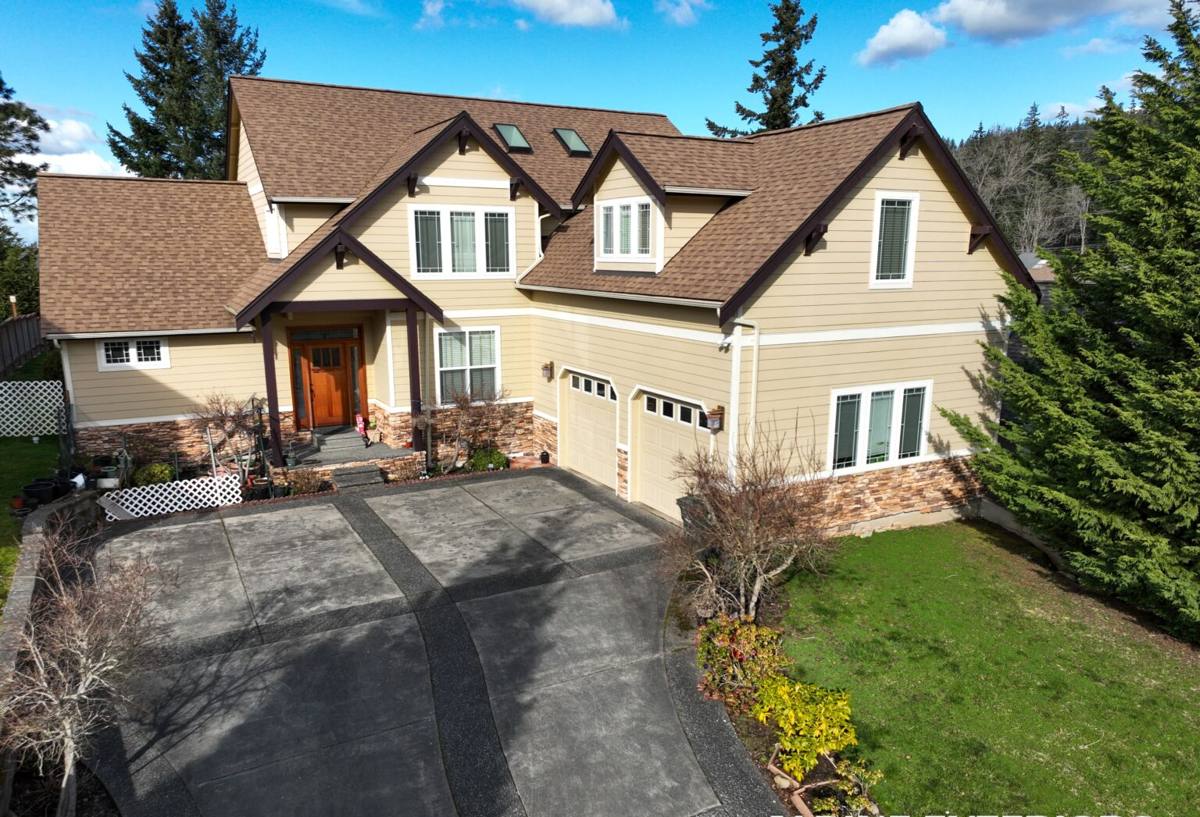
Why Roofs Fail Faster This Close to the Gulf
Every roofing material has a rated lifespan, but that number assumes average conditions. Belleair Beach doesn't have average conditions. A few things compound here:
- Salt air corrosion: airborne salt settles on exposed metal — nail heads, flashing, vent stacks, gutter fasteners — and accelerates rust and pitting well before a roof's expected age.
- UV load: Florida sun bakes asphalt shingles and dries out sealants and adhesives, making them brittle and prone to cracking at the granule and seam level.
- Wind-driven rain: storms here rarely deliver rain straight down. Wind pushes water sideways and upward under shingle edges, ridge caps, and flashing laps that would stay dry in a calmer climate.
- Repeated wind loading: even when a storm doesn't cause visible damage, repeated flexing from high wind gradually loosens fasteners and stresses seams, which shows up as a leak months later.
None of this means a roof on Belleair Beach is doomed — it means repairs need to account for these forces specifically, not just address the symptom in front of you.
Common Roof Problems We Find on Belleair Beach Homes
Flashing and Penetration Failures
Flashing around chimneys, vent pipes, skylights, and roof-to-wall transitions is usually the first thing to fail, not the roofing material itself. Salt air corrodes exposed fasteners, and UV-dried sealant around penetrations cracks and opens a path for water. Most of the "mystery leaks" we get called out for trace back to flashing, not shingles.
Wind-Lifted or Missing Shingles/Tiles
After any significant wind event, we check for lifted tabs, cracked tiles, or shingles that have blown off entirely — sometimes just a few, sometimes a visible patch. Even a small area of missing coverage exposes the underlayment, which is not designed to be a long-term roofing surface on its own.
Underlayment and Deck Deterioration
Once water gets past the roofing surface, it reaches the underlayment and eventually the wood deck underneath. Repeated small intrusions over time can soften decking before a homeowner ever notices a stain on the ceiling — which is why we check more than just the surface layer.
Sealant and Fastener Fatigue
Ridge caps, drip edges, and exposed fastener systems rely on sealant and mechanical fastening that both degrade under UV and salt exposure. This is routine wear, but it's also one of the most preventable causes of leaks when caught early.
Signs It's Time to Call for a Repair
Homeowners often wait until there's an active leak, but most roof problems give warning signs well before water reaches the inside of the house. Watch for:
- Granules collecting in gutters or at downspout outlets
- Curling, cracking, or lifted shingle edges
- Visible gaps or rust streaks around flashing and vent boots
- Dark streaks or soft spots on ceilings, especially after heavy rain or wind
- Missing or displaced shingles/tiles after a storm, even if no leak has appeared yet
- Daylight visible through the attic decking or soffit area
- Sagging sections of roofline
- A musty smell in upper rooms or the attic that wasn't there before
Catching any of these early is almost always cheaper than waiting — a $300 flashing repair now can prevent a $3,000 deck replacement later.
How We Approach a Roof Repair
1. Inspection, Not Guesswork
We start on the roof itself, not just from a ladder at the eave. We check the shingle or tile field, all flashing points, vent boots, ridge lines, and — where accessible — the attic side for signs of moisture intrusion or deck softening. We tell you what we actually find, including if a repair isn't the right long-term answer.
2. A Straight Explanation of What's Wrong
Before any work starts, we walk you through what's failing, why it failed in this location, and what the repair will and won't fix. If a repair is a temporary measure because the surrounding roofing material is near the end of its life, we say so — we'd rather you make that decision with full information than get surprised later.
3. Repair Scoped to the Actual Cause
We don't just seal the spot where water is showing up inside — water travels along the deck before it drips, so the entry point is often several feet from the stain. We trace it back and repair the source, replacing damaged decking if needed, not just resealing the surface.
4. Materials Chosen for This Environment
Where we can, we use corrosion-resistant fasteners and flashing appropriate for coastal exposure, along with underlayment and sealant products rated for high-UV, high-wind conditions rather than generic inland-grade materials.
5. Cleanup and Verification
We clear debris, check that flashing laps and shingle courses are properly sequenced (so water sheds correctly, not just "sealed shut"), and confirm the repair is watertight before we consider the job done.
Repair or Replace? How We Help You Decide
Not every roof problem calls for a full replacement, and not every leak is fixable with a patch. The right call depends on the roof's age, how widespread the damage is, and what's happening underneath the surface layer.
| Factor | Leans Toward Repair | Leans Toward Replacement |
|---|---|---|
| Roof age | Well within expected lifespan | At or past expected lifespan for the material |
| Extent of damage | Isolated to one area (flashing, one section of shingles) | Widespread granule loss, multiple failure points |
| Deck condition | Solid, dry decking beneath the damage | Soft, delaminated, or repeatedly wet decking |
| Storm history | Recent, isolated wind damage on an otherwise sound roof | Cumulative damage from multiple past storms |
| Underlayment | Still intact and sealing properly elsewhere | Brittle or failing across large sections |
We'll never push a full replacement when a repair genuinely solves the problem — but we'll also tell you plainly if a repair is only buying you a season or two, so you're not caught off guard by a bigger failure later.
What Affects the Cost of a Roof Repair
Costs vary based on what's actually wrong, but a few factors consistently move the price:
| Cost Factor | Why It Matters |
|---|---|
| Type and extent of damage | A single flashing repair costs far less than replacing damaged decking under multiple shingle courses |
| Roofing material | Asphalt shingle repairs are generally more straightforward than tile, which requires careful handling to avoid breaking adjacent pieces |
| Roof pitch and access | Steep or hard-to-access roof sections take longer and require additional safety setup |
| Deck condition | Rotted or soft decking has to be cut out and replaced before any surface repair, which adds material and labor |
| Matching existing materials | Older or discontinued shingle/tile colors can be harder to match, sometimes requiring a slightly larger repair area for a consistent look |
We give a written estimate before starting any work, so there are no surprises once the job is underway.
Why It Matters to Hire a Crew That Already Works This Area
Belleair Beach roofs face a narrower, harsher set of conditions than a typical Pinellas County home a few miles inland. A crew that mostly works inland neighborhoods may not think to check for the corrosion patterns salt air causes around exposed fasteners, or may default to standard-grade sealants that don't hold up as long this close to the Gulf. Working this island regularly means we know what tends to fail first here, what materials actually last, and how local wind and rain patterns typically attack a roof — so the repair is built for the environment it's actually in, not a generic checklist.
It also means faster response after a storm. When wind damage hits a barrier island community, timing matters — an exposed roof deck left uncovered for days invites much bigger problems than the original wind damage did.
After the Repair: Keeping It Watertight
A few habits go a long way toward protecting a roof repair — and the rest of the roof — in this climate:
- Keep gutters and downspouts clear so water isn't backing up under the roof edge
- Trim back overhanging branches that can abrade shingles or tiles in high wind
- After any major storm, do a visual check from the ground for missing or displaced material
- Have flashing and sealant points checked periodically, since these fail before the roofing material itself usually does
- Address small leaks immediately rather than waiting to see if they get worse — they generally do
None of this requires climbing on the roof yourself. A quick visual scan and a call when something looks off is usually enough to catch problems while they're still small.
Get a Straightforward Roof Repair Estimate
If you're dealing with a leak, storm damage, or just want a second opinion on a roof issue at your Belleair Beach home, we're glad to take a look. The estimate is free, there's no pressure to commit to anything, and if a repair genuinely is the right fix, that's exactly what we'll recommend. Use the form below to request your free, no-obligation estimate.