 Largo Window
 Window Replacement Built for the Clearwater Area's Climate
Homes in and around Clearwater and Largo take a different kind of beating than houses inland. The combination of hurricane-force wind events, near-constant UV exposure, wind-driven rain, and salt-laden air off the Gulf doesn't just wear windows down cosmetically — it attacks the seals, the frames, and the glass itself, often years before a homeowner expects to be shopping for replacements. If you've noticed fogging between panes, windows that won't stay latched, frames that have gone chalky or soft, or a spike in your cooling bills, the window system in your home is probably telling you it's past its service life.
This page covers window replacement specifically for the Clearwater area — what local homes actually need, what a correct installation looks like in this climate, and how our process works when you call us in.
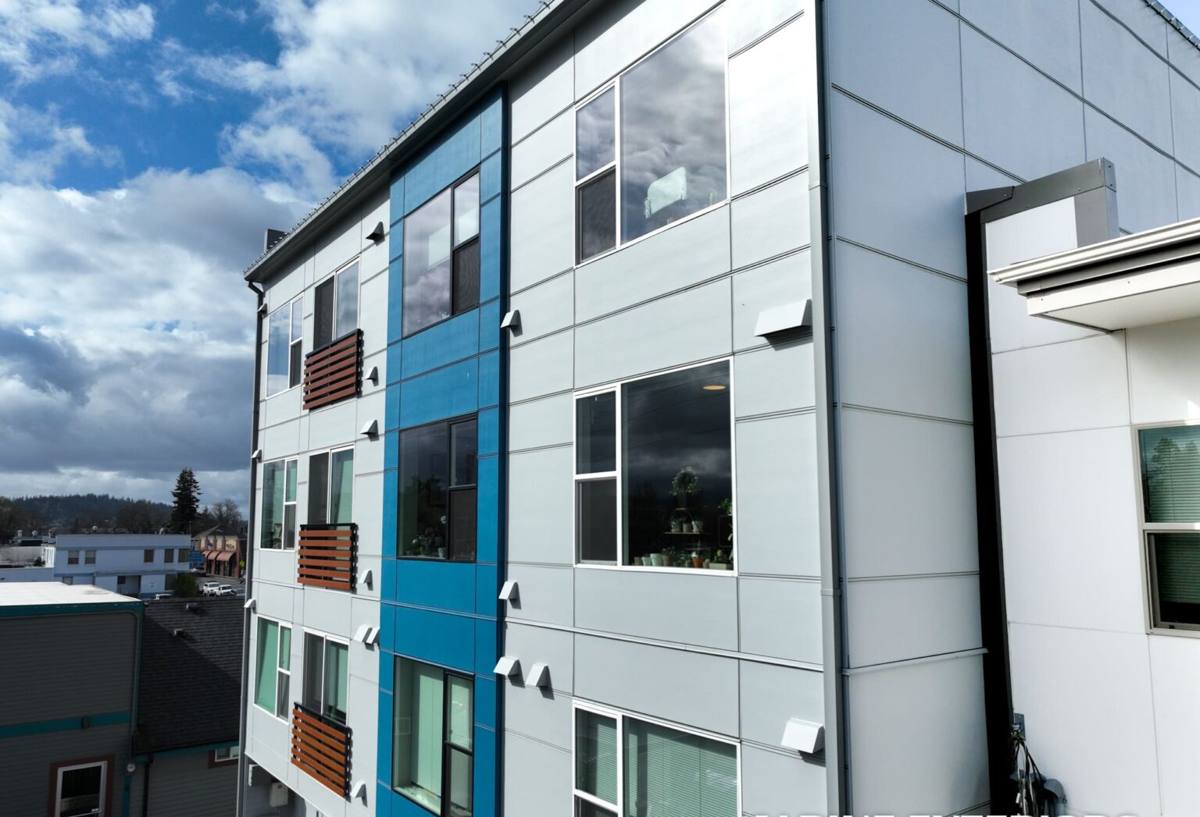
What Pinellas County Weather Does to Windows Over Time
It helps to understand the specific stresses at play, because they determine what "correct" actually means for a replacement job here.
Hurricane and Tropical Storm Wind Loads
Pinellas County sits in one of the more exposed stretches of the Florida Gulf Coast. Even homes that never take a direct hurricane hit absorb repeated tropical storm-force winds and pressure cycling every season. Older single-pane or non-impact windows flex under that pressure, which stresses the frame-to-wall seal and, over years, loosens the whole assembly. Wind-borne debris is the other half of the equation — Florida Building Code in this wind zone requires either impact-rated glazing or approved protective coverings on new and replacement windows in most cases.
Year-Round UV Exposure
Florida doesn't really have an off-season for sun. Constant UV breaks down vinyl frames, dries out and cracks old glazing compounds, and fades or degrades certain low-quality window films and interior finishes. Vinyl frame quality varies a lot between manufacturers — cheaper vinyl chalks and warps faster under sustained UV than better-formulated products.
Wind-Driven Rain
Rain here rarely falls straight down during storms — wind pushes it sideways and up under sills and trim. A window that seals fine in calm weather can still leak during a wind-driven event if the flashing and sealant details weren't done correctly at install. Most water intrusion problems we find on replacement jobs trace back to installation shortcuts, not a bad window product.
Salt Air Corrosion
Being close to the coast means salt in the air, and salt is hard on hardware. Cheap or unprotected fasteners, hinges, and locking mechanisms corrode faster here than they would inland, which is why hardware material matters as much as the glass and frame when you're picking a replacement window for this area.
How to Know Your Clearwater-Area Home Needs Window Replacement
- Fogging or condensation trapped between panes — the seal has failed and the insulating gas is gone
- Windows that are hard to open, close, or lock, or that don't sit flush anymore
- Visible frame damage: chalking, cracking, soft spots, or warping
- Drafts or a noticeable temperature difference near the window when the AC is running
- Rising cooling bills without a clear cause elsewhere in the home
- Condensation or staining on interior trim or drywall near the window after storms
- Windows that are original single-pane or non-impact glass in a home built before current wind codes applied
- Visible corrosion on hinges, cranks, or locking hardware
If two or more of these apply, it's worth getting an honest assessment before another storm season passes.
What Correct Window Replacement Involves Here
Replacing a window in this climate is not a drop-in swap. The details that matter most are usually the ones a homeowner never sees once the trim goes back on.
Glass and Impact Rating
Depending on your specific wind zone and whether you're relying on impact glass or approved shutters for storm protection, the glass package needs to meet the wind pressure and impact requirements for your address — not just "hurricane glass" as a generic label. We confirm this against your local code requirements rather than assuming one spec fits every house in the area.
Frame Material and Quality
Vinyl, aluminum, and fiberglass all behave differently under UV and salt exposure. We don't install every product on the market — our standard is that a frame has to hold its shape, color, and seal integrity under sustained Gulf Coast sun and salt air, because a frame that looks fine at year one but chalks or warps by year five isn't a good use of your money, regardless of what it costs upfront.
Flashing and Water Management
This is the step that actually stops wind-driven rain, and it's the step most often rushed on lower-quality installs. Proper flashing integration with the wall's water-resistive barrier, correctly lapped and sealed, is what keeps water out during a sideways rainstorm — not just caulk around the frame.
Fastening and Anchoring
Impact-rated windows are only as strong as their anchoring into the structural opening. Fastener type, spacing, and embedment depth all have to match the window's tested installation instructions and local code — this is inspected work, not a guess.
Hardware
Given the salt air locally, we favor hardware rated for coastal corrosion resistance over standard-grade hardware that will pit and seize within a few seasons.
Comparing Window Options for This Area
| Factor | Standard (Non-Impact) Window | Impact-Rated Window |
|---|---|---|
| Storm protection | Requires separate shutters or panels | Built-in protection, no separate coverings needed |
| Wind-borne debris | Vulnerable unless covered | Tested against debris impact |
| Noise reduction | Standard | Noticeably better due to laminated glass |
| UV/fade protection | Varies by glass package | Often better due to laminated interlayer |
| Upfront cost | Lower | Higher |
| Insurance impact | May not qualify for wind mitigation credits | Can qualify for wind mitigation discounts |
| Code compliance in this wind zone | Must pair with approved opening protection | Typically meets requirement on its own |
The right choice depends on your home's exposure, your insurance situation, and your budget — we walk through the real trade-offs rather than pushing one option.
Cost Factors to Understand Before You Get Quotes
We don't publish fixed prices because every home and every window is different, but these are the factors that actually move the number, so you can evaluate quotes intelligently:
| Factor | Why It Matters |
|---|---|
| Impact vs. non-impact glass | Impact-rated glazing costs more upfront but reduces or removes the need for shutters/panels |
| Window size and configuration | Larger openings and specialty shapes (bay, arched, sliders) cost more than standard single/double-hung sizes |
| Frame material | Vinyl, aluminum, and fiberglass carry different material costs and lifespans in coastal conditions |
| Number of openings | Whole-home replacement typically has a better per-window rate than piecemeal jobs |
| Structural or water damage found during removal | Rotted framing or prior water intrusion around old windows adds repair scope |
| Permit and inspection requirements | Impact-rated replacements generally require permitting in this county — factor that into timeline and cost |
Our Process
- Assessment: We look at your existing windows, note any water intrusion, frame damage, or hardware corrosion, and check what your specific wind zone requires.
- Honest quote: You get a clear estimate broken out by opening, with the glass, frame, and hardware options explained — no pressure to upgrade beyond what your home actually needs.
- Permitting: For impact-rated replacements, we handle the permit process so the job passes inspection and your paperwork is in order if you ever sell or need it for insurance.
- Removal and prep: Old windows come out carefully, and we check the rough opening for hidden rot or water damage before anything new goes in.
- Installation: Correct flashing, sealing, and anchoring — the parts that determine whether the window performs in a real storm, not just on a sunny day.
- Final inspection and walkthrough: We confirm proper operation, sealing, and code compliance, and walk you through it before we consider the job done.
Why a Crew That Already Works This Area Matters
Window replacement isn't the same job in every part of Florida, let alone every part of the country. A crew that regularly works Clearwater and the greater Largo area already knows the local wind zone requirements, the permitting process with the county, and the failure patterns specific to homes exposed to Gulf Coast conditions — because they've seen them firsthand, not in a manual. That familiarity shows up in fewer surprises during the job, fewer callbacks for missed sealing details, and a faster permit and inspection process because the paperwork is done right the first time.
It also matters after the sale. A local crew is still around next storm season if something needs attention, and they have a track record in this specific market rather than being a name that shows up for one job and disappears.
Maintaining Your New Windows in a Coastal Climate
- Rinse frames and hardware periodically to reduce salt buildup, especially after storms
- Check and clean weep holes so water can drain properly out of the frame
- Inspect exterior caulking and sealant lines annually and address any cracking early
- Lubricate locks and hinges on a regular schedule to prevent salt-air corrosion from seizing them
- Have storm protection (shutters or panels) inspected and ready before hurricane season if your windows aren't impact-rated
A little seasonal upkeep goes a long way toward getting the full service life out of a window system in this climate.
Get a Free, No-Pressure Estimate
If your windows are original to the house, showing wear, or you're simply not confident they'd hold up in the next big blow off the Gulf, it costs nothing to have a local crew take a look. Fill out the form below for a free estimate on window replacement for your Clearwater-area home — no pressure, just an honest assessment of what your windows actually need.