 Largo Window
 Kenneth City sits inland from the Gulf, but Pinellas County is a narrow peninsula, and that geography means a new deck here still has to hold up to the same hurricane-force wind events, intense year-round UV, and wind-driven rain that hit the rest of the county, plus the slow, steady work of salt-laden air that reaches even properties set back from open water. Building a deck that actually lasts in this environment takes more than picking a material off a sample board. It takes footings sized for real wind load, fasteners that won't corrode out from under the boards in a few years, and a framing plan that accounts for how sun and moisture behave on this specific lot. This page covers what a correctly built deck involves for a Kenneth City home, how our process works, and why hiring a crew that already builds decks in this part of Largo's service area matters.
What Kenneth City's Climate Demands From a New Deck
A deck built to hold up here has to be planned around four conditions that don't let up much across the year, not treated as a standard build with a coastal label added on.
Sun and UV Exposure
Florida's UV load is among the highest in the country, and a deck surface takes that exposure directly for most of the day, most of the year, often with little shade from mature trees on newer or moderately landscaped lots. On wood decking, sustained UV breaks down surface fibers and finish coatings, leading to graying, splitting, and checking well before the structure itself is compromised. On composite or PVC decking, lower-grade or older formulations can fade unevenly or lose surface integrity after years of direct sun. None of that is a reason to avoid an outdoor deck — it's a reason to plan the material and finish schedule around what the sun actually does here rather than what a sample board looks like in a showroom.
Wind-Driven Rain and Hurricane-Force Wind
A deck attached to the house has to handle hurricane-force wind loads as a real design condition, not a worst-case footnote. Wind doesn't just test the structure during a storm — wind-driven rain gets pushed sideways under railings, around posts, and into ledger connections in a way ordinary rainfall never does. A deck framed and fastened to code standards handles that load as intended. One that was framed light, or fastened with standard hardware instead of coastal-rated connectors, is where popped fasteners, loosened railing posts, and shifted ledger boards tend to show up after a storm season.
Humidity, Ground Moisture, and Drainage
Pinellas County's humidity and seasonal rainfall keep ground moisture elevated under most decks for a good part of the year. Framing and footings that sit low, that don't drain properly, or that were never gapped correctly for airflow are the parts of a deck that see rot and hardware corrosion first — usually well before anything is visible from the top of the deck. A build that accounts for drainage and ventilation underneath the deck from day one avoids most of that risk outright.
Salt Air, Even This Far From the Water
Kenneth City isn't a waterfront address, but Pinellas County sits between Tampa Bay and the Gulf, and salt-laden air moves further inland here than it does in most parts of the country. It's a slower, steadier process than what a barrier-island deck faces, but it still shortens the working life of standard-grade fasteners and hardware compared to what the same deck would see well inland in another state. That's one more reason we don't treat hardware grade as an afterthought on any build in the Largo area, including ones several miles from the coastline.
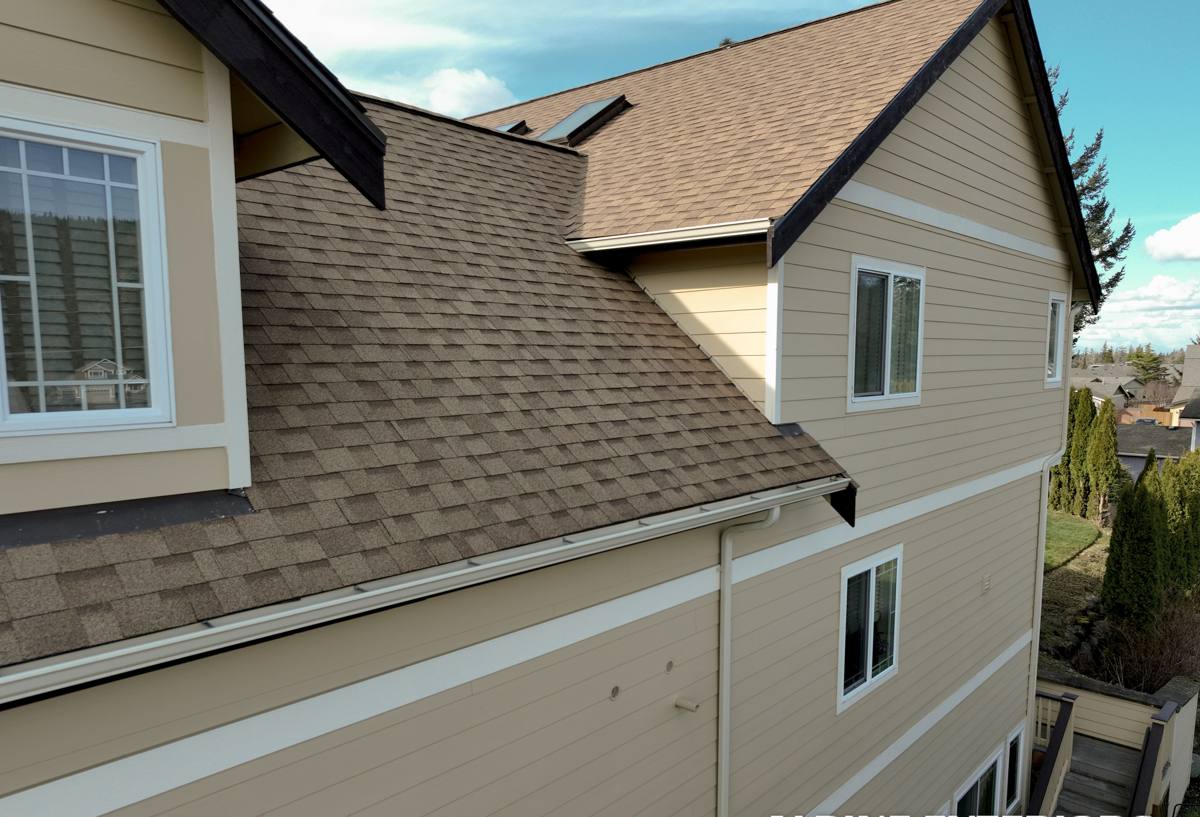
Deck Types and Situations We Build in Kenneth City
Kenneth City is a small, established residential community with a mix of single-family homes on modest lots, and the decks we build here reflect that mix more than a one-size-fits-all catalog design:
- Ground-level and low platform decks — a common fit for smaller backyards, with simpler footing requirements but the same attention to drainage and framing
- Raised decks off a second story or elevated slab — carrying real structural load and requiring engineered footings and railing that meets current code
- Pool decks and surrounds — decking chosen and detailed for constant moisture exposure and bare feet, not just appearance
- Screened porch and lanai transitions — decking that ties into an existing screen enclosure or roofline, where flashing at the house connection matters as much as the deck itself
- Multi-level decks for sloped or uneven yards — more common on older lots where the original grade wasn't built with a deck in mind
- Replacement decks built to current code — tearing out an undersized or non-compliant older deck and rebuilding it correctly instead of patching around the same problems
What a Correctly Built Deck Involves
Permits and Local Code
A permitted deck isn't paperwork for its own sake — it's the mechanism that makes sure footing depth, ledger attachment, and railing height actually meet Florida Building Code's wind and structural requirements for this part of Pinellas County. We pull permits and build to inspection rather than around it, which matters both for safety and for resale, since an unpermitted deck can turn into a real problem when a home eventually sells or gets insured.
Footings and Foundation
Footing depth and size have to match the actual load the deck will carry and the soil conditions on that specific lot, not a generic minimum. Undersized or shallow footings are one of the more common shortcuts we see on older or unpermitted decks, and they're also one of the hardest problems to correct after the fact without rebuilding from the ground up.
Framing and the Ledger Connection
The ledger board — where the deck attaches to the house — carries a disproportionate share of the structural load and is the single most common serious failure point on a poorly built deck. Correct flashing at that connection keeps wind-driven rain from working its way into the house's wall structure, and correct fastening keeps the whole deck from separating from the house under load. We treat this connection as the most important part of the build, not a step to move past quickly.
Fasteners and Hardware
Given the salt exposure across Pinellas County, we use stainless steel or coastal-rated fasteners and joist hangers as standard practice on Kenneth City builds, not as an upgrade option. Standard-grade hardware corrodes faster here than in most of the country, and once a fastener loses holding strength, the failure often isn't visible until it's further along than it looks from the surface.
Decking Material and Finish
Whatever material a homeowner chooses — wood, composite, or PVC — the finish and fastening method have to match how that material actually behaves under sustained Florida sun and humidity, not just how it looks on day one. We'll walk through the honest maintenance expectations for each option before the material is ordered, not after the deck is built.
Railings and Guards
Railing height, baluster spacing, and attachment strength are code requirements, not design preferences, on any deck above a certain height. We build railings to meet current code and to actually hold up to real lateral load, since a railing that only looks solid isn't doing its job.
Choosing a Decking Material for Kenneth City's Climate
There's no single right material for every deck — the honest answer depends on budget, how much upkeep a homeowner wants to take on, and how the deck will be used. Here's how the common options actually compare in this climate:
| Factor | Pressure-Treated Wood | Composite | PVC / Capped Polymer |
|---|---|---|---|
| Upfront cost | Lowest | Mid-range | Highest |
| UV and fade resistance | Fades and grays without regular finish | Good, varies by brand and grade | Generally the most fade-resistant |
| Maintenance | Needs periodic sealing or staining | Low — occasional cleaning | Lowest — occasional cleaning |
| Moisture behavior | Can rot or split if not maintained | Resists rot, can absorb moisture at cut ends if not capped | Fully resists moisture absorption |
| Typical lifespan here with proper install | Shorter without regular upkeep | Long, with less owner effort | Longest of the three, generally |
Wood costs less upfront but asks more of the homeowner over time in a climate that's hard on unfinished surfaces. Composite and PVC cost more to install but shift that maintenance burden away from the owner, which is part of why we see more homeowners in this area move toward one of them for a new build. We'll give a straight recommendation based on your budget and how much maintenance you actually want to take on, not a default answer for every job.
Our Process, Start to Finish
- On-site assessment — we walk the yard, evaluate grade, drainage, and sun exposure, and look at how the deck will tie into the house
- Design and material discussion — honest options for size, layout, and material based on how you'll actually use the deck and your budget
- Permitting — plans drawn and submitted to meet Florida Building Code and local wind requirements before any work starts
- Footings and framing — footings poured to spec, structure framed and fastened with coastal-rated hardware throughout
- Decking, railings, and finish — surface material installed, railings set to code, and finish work completed
- Final inspection and walkthrough — permit inspection passed, then we walk the finished deck with you before calling the job done
What Drives the Cost of a New Deck
| Factor | What Changes the Price |
|---|---|
| Size and layout | Larger footprints and multi-level designs need more material, framing, and labor |
| Height and railings | Raised decks require engineered footings, stairs, and code-compliant railing systems that ground-level decks don't |
| Material choice | Pressure-treated wood costs less upfront; composite and PVC cost more but reduce ongoing maintenance |
| Site conditions | Grade, access for equipment, and removal of an old deck or slab all add time and labor |
| Special features | Built-in seating, lighting, or a pool deck tie-in add cost beyond a basic rectangular platform |
Keeping a New Deck Performing Long-Term
A correctly built deck still needs some regular attention in this climate to reach its full lifespan. The basics:
- Rinse the deck surface periodically to clear salt residue and organic buildup before it works into the material
- Keep gaps between boards clear of debris so water and airflow move through as the design intends
- Check railing posts and visible hardware once or twice a year, especially after storm season
- Reseal or refinish wood decking on a schedule suited to Florida sun exposure — shorter than you'd need in a milder climate
- Trim back landscaping that traps moisture against the deck edge or blocks airflow underneath
- Address any soft spots, movement, or loose railings right away rather than waiting for the next season
Why Hiring a Crew That Already Works Kenneth City Matters
Manufacturer specs and generic framing tables are written for average conditions, and a Pinellas County lot rarely sits at that average once you account for wind exposure, humidity, and salt-laden air. A crew that doesn't build decks in this area regularly can still frame a deck that looks right, and still miss the details that actually decide whether it holds up — how deep a footing really needs to go for this soil and this wind exposure, which hardware grade is worth the extra cost versus which is unnecessary, how a ledger flashing detail needs to be sequenced so wind-driven rain can't work its way behind it.
We build decks across this part of Largo's service area regularly, which means we're not guessing at how a given lot, grade, or house connection tends to perform here over time. That shows up in the small decisions — the ones that decide whether a deck is still solid, dry, and code-compliant after a few hurricane seasons, or starting to show loose railings and soft spots within a couple of years.
Ready for a Free Estimate
Whether you're planning a first deck for a Kenneth City backyard, replacing one that's aged out, or adding a deck to tie into a pool or screened porch, it's worth starting with an honest look at the site and a straight answer on what the build actually needs. We offer free, no-pressure estimates for deck building in Kenneth City and the surrounding Largo area — use the form below to get a time on the schedule.