 Largo Window
 Asphalt Shingle Roofing in Belleair Bluffs: Built for the Coast, Not the Catalog
Belleair Bluffs sits close enough to the water that "standard" roofing advice doesn't really apply. A shingle roof that performs fine forty miles inland can fail early here, and it's rarely one dramatic event that does it. It's the accumulation of hurricane-season wind loads, near-constant UV exposure, wind-driven rain that finds every weak seam, and salt-laden air working on fasteners and granules year after year. A roof installed for this specific stretch of Pinellas County needs to be specified, flashed, and fastened with all of that in mind from day one — not patched for it later.
This page is about one job in one area: asphalt shingle roofing for homes in and around Belleair Bluffs. Not a general roofing overview, not a sales pitch for a particular shingle brand — just a straight explanation of what this climate does to a roof, what a correct installation actually includes, and how our process works when we're up on a Belleair Bluffs roof.
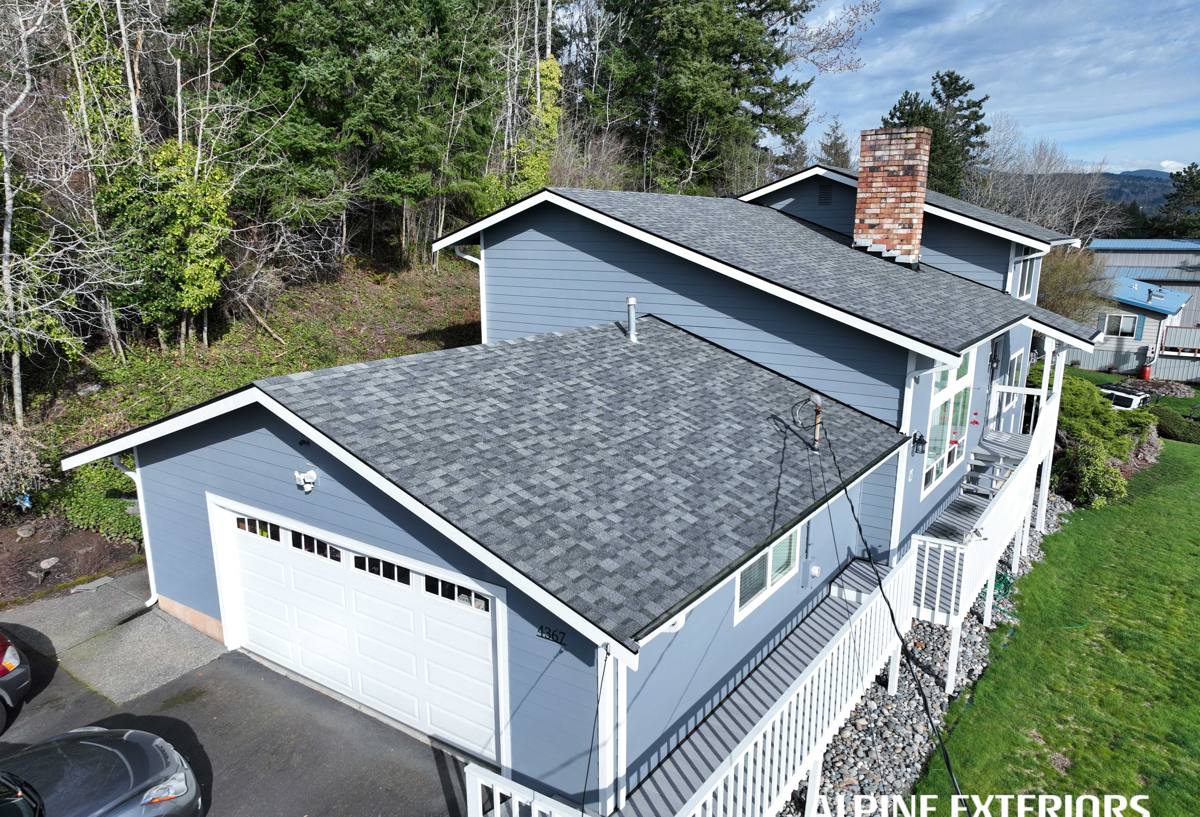
What the Local Climate Does to a Shingle Roof
Every roofing material has a failure pattern, and asphalt shingles in this part of Florida tend to fail in predictable ways once you understand the four forces working against them.
Wind
Belleair Bluffs is close enough to Tampa Bay and the Gulf that tropical-storm and hurricane-force wind events are a real design consideration, not a hypothetical. Wind doesn't just tear shingles off in a straight pull — it gets underneath a tab edge or a poorly sealed starter course and works upward. Once one shingle lifts, wind pressure builds under the ones around it, and a small failure point can turn into a much larger loss of coverage during a single storm. Sealant strip activation, correct overlap, and proper fastening pattern matter more here than in calmer inland climates.
Intense, Year-Round UV
Florida sun doesn't take a season off. Asphalt shingles rely on ceramic-coated granules to protect the asphalt layer underneath from UV degradation, and in this area that granule layer takes a heavier and more constant beating than it would further north. Over years, UV exposure dries out the asphalt, makes it more brittle, and accelerates granule loss — which is why shingles rated for this kind of sun exposure hold up meaningfully longer than lower-grade product.
Wind-Driven Rain
A roof doesn't need a hole to leak — it needs a path. Wind-driven rain during storms and tropical systems gets pushed sideways and even slightly upward under normal gravity-flow assumptions, which is exactly the condition that exposes bad flashing, short underlayment laps, or corner areas that weren't detailed correctly. Most leaks we find in this area trace back to a flashing or transition detail, not a failure of the shingle field itself.
Salt Air
Being close to the water means airborne salt is a constant, low-level presence, even on days with no storm activity. Salt accelerates corrosion on exposed metal — nail heads, flashing edges, drip edge, pipe boots with metal collars. A roofing system for Belleair Bluffs should use fastener and flashing materials chosen with that corrosion exposure in mind, not just whatever is cheapest to stock.
What a Correct Asphalt Shingle Installation Actually Includes
"New roof" covers a lot of ground. The difference between a roof that holds up here and one that doesn't usually isn't the shingle brand printed on the wrapper — it's whether every layer underneath and around it was done correctly. A properly installed system in this climate should include:
- Sound, properly prepared roof deck — soft or delaminated sheathing replaced before anything goes down, not covered over
- A wind- and water-rated synthetic or felt underlayment, lapped and fastened to the pattern the manufacturer requires for high-wind zones
- Self-adhered underlayment at eaves, valleys, and other leak-prone transitions where wind-driven rain is most likely to intrude
- Starter strip shingles at eaves and rakes, set with adhesive facing the correct direction — a common corner-cutting spot that directly affects wind resistance
- Corrosion-resistant nails or fasteners, driven flush and in the pattern rated for the wind speed this area requires, not just "enough to hold it down"
- New flashing at every roof-to-wall transition, valley, and penetration — reused old flashing is one of the most common sources of early leaks
- Balanced attic ventilation, so heat and moisture can actually move out of the attic space instead of cooking the underside of the deck and the shingles from below
- Ridge cap shingles rated to match the field shingle's wind rating, since a mismatched ridge cap undercuts the wind performance of the whole roof
Skip any one of these and the roof might look fine for a year or two — the difference shows up the first time it's tested by a real storm.
Choosing a Shingle for Belleair Bluffs Conditions
Shingle lines vary in wind rating, UV resistance, and how forgiving they are of installation error — all things that matter more here than in a milder climate. This is a general comparison of shingle classes, not a specific product recommendation; we'll walk through actual manufacturer options and warranty terms during your estimate.
| Shingle Class | Typical Wind Rating | Best Fit For |
|---|---|---|
| Standard 3-tab | Lower wind rating, less margin | Budget-driven projects; least suited to this area's storm exposure |
| Architectural / laminate | Higher wind rating, better sealant strip design | Most Belleair Bluffs homes — the practical baseline for this coastal exposure |
| Premium / high-wind laminate | Highest available wind rating for asphalt | Homes wanting maximum storm margin and longer UV-driven granule life |
Regardless of class, the shingle is only as good as the wind rating it's actually installed to achieve — which comes down to nailing pattern, sealant activation, and starter course, not just what's printed on the wrapper.
Our Process, Start to Finish
- On-site inspection. We walk the roof and the attic, not just the ground view — checking deck condition, ventilation, flashing, and any existing leak history before we talk about materials.
- Honest scope and estimate. You get a clear breakdown of what's actually needed versus optional, with shingle options suited to this area's wind and UV exposure.
- Tear-off and deck check. Old roofing comes off down to the deck, and any soft or damaged sheathing is identified and replaced before anything new goes on.
- Underlayment and flashing. New underlayment, self-adhered membrane at vulnerable areas, and new flashing at every transition and penetration.
- Shingle installation. Installed to the manufacturer's high-wind fastening specification, with proper starter courses, valleys, and ridge cap.
- Final walk-through. We inspect the finished roof with you, cover ventilation and warranty registration, and clean up the site thoroughly.
Why a Local Belleair Bluffs Crew Matters
A roofing crew that regularly works Belleair Bluffs and the surrounding Largo area already knows how this specific stretch of Pinellas County behaves — how exposed a given lot is to wind off the water, how salt air tends to hit corrosion-prone details first, and which parts of a roof system need the most attention here versus a job forty miles inland. That's not a marketing point, it's a practical one: fewer surprises during the estimate, fewer callbacks after the install, and a crew that's easy to reach if a storm rolls through and you need someone who already knows your roof.
Being local also means accountability. We're not driving in from out of the area for one job and disappearing — we live and work in this same coastal environment, which means our own standards for wind rating, flashing, and fastener corrosion resistance have to hold up to the exact conditions we're installing into.
What Affects the Cost
Every roof is different, so we won't quote a number without seeing the actual roof, but these are the main factors that move the price on an asphalt shingle roofing project in this area:
| Factor | Why It Matters |
|---|---|
| Roof size and complexity | More valleys, hips, and penetrations mean more flashing detail and labor |
| Deck condition | Rotted or soft sheathing found during tear-off adds material and labor to replace |
| Shingle class chosen | Higher wind-rated and premium lines cost more per square than standard 3-tab |
| Ventilation upgrades | Adding or correcting attic ventilation protects the new roof but adds scope |
| Number of layers to remove | Tearing off multiple existing layers takes more labor than a single-layer tear-off |
We'll break all of this down in plain terms during your estimate so you know exactly what you're paying for and why, with no vague allowances buried in the number.
Maintenance and What to Watch For
Asphalt shingle roofs in this climate hold up best with a little regular attention rather than being ignored until something leaks. After storms or heavy wind events, it's worth a quick visual check for:
- Lifted, cracked, or missing shingle tabs, especially near eaves, rakes, and ridges
- Granules collecting in gutters, which can signal accelerating UV wear
- Rust staining or lifted edges around flashing and pipe boots
- Soft spots or discoloration on interior ceilings, which often show up before a leak is visible from the ground
- Debris buildup in valleys, which traps moisture against the shingles
Catching these early is usually the difference between a small repair and a much bigger one — especially heading into or coming out of hurricane season.
If you're in Belleair Bluffs or elsewhere around Largo and want a straight answer on what your roof actually needs, we're glad to take a look. The estimate is free, there's no pressure attached to it, and you'll get a clear explanation of what we find — just fill out the form below to get started.