 Largo Window
 Why Dunedin's Coastal Climate Is Hard on Siding
Dunedin sits close enough to the Gulf that salt air is a constant, low-grade attacker on anything mounted to the outside of a house. Add in the rest of the Pinellas County package — hurricane-force winds during the season, intense year-round UV that doesn't let up in January the way it does farther north, and wind-driven rain that gets pushed sideways into wall assemblies rather than falling straight down — and you have a climate that is genuinely tough on exterior siding. Homes here don't fail because a homeowner neglected them. They fail because the product installed on them wasn't built to handle this specific combination of stresses, or because the installation cut corners that only show up years later as rot, staining, or panels coming loose in a storm.
We work Dunedin regularly as part of our Largo service area, and the patterns repeat: siding that looked fine for a few years and then went downhill fast once moisture found a way behind it, color that faded unevenly on the sun-facing side of the house, and fastener or seam failures after wind events. A correct siding replacement in this area has to be engineered around those specific failure points, not just swapped out with whatever material is cheapest or fastest to install.
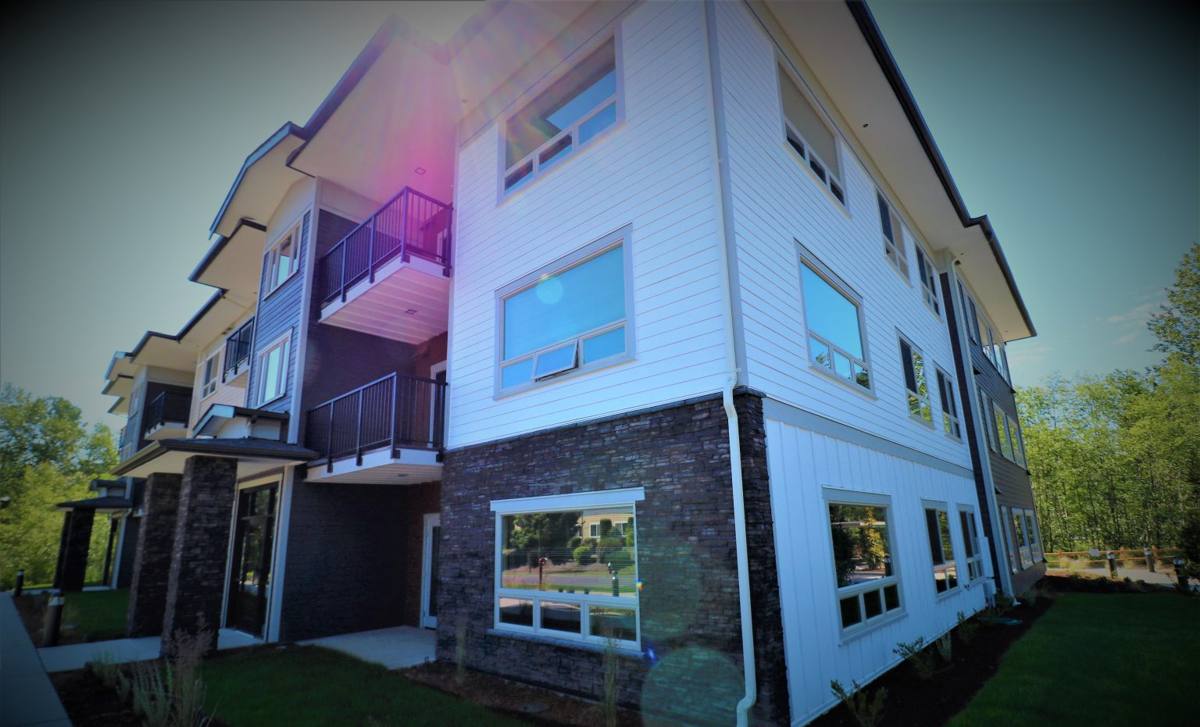
Signs a Dunedin Home's Siding Is Due for Replacement
Not every siding problem means a full replacement, but in this climate small issues tend to compound quickly. Here's what we look for during an inspection:
- Soft, spongy, or crumbling spots when you press on the siding, especially near the bottom courses and around window and door trim
- Visible cracking, buckling, or panels that have pulled away from the wall after a windstorm
- Paint that's peeling, bubbling, or chalking heavily — often a sign moisture is trapped behind the siding, not just a surface issue
- Color that has faded noticeably more on the south and west sides of the house from year-round UV exposure
- Rising utility bills or noticeably drafty rooms, which can point to a compromised weather barrier behind aging siding
- Visible mold, mildew, or a persistent musty smell along interior walls that back up to exterior siding
- Rust streaking from fasteners, or gaps opening up at seams and corner trim
If you're seeing more than one or two of these, it's worth getting a professional look before the underlying sheathing or framing is affected — that's a much more expensive repair than the siding itself.
Why We Install Only James Hardie Fiber Cement
We standardized on James Hardie fiber cement siding for every job we do, including replacements in Dunedin, and we don't install vinyl, LP SmartSide, or other fiber cement brands. That's a deliberate choice, not a sales preference. Fiber cement is non-combustible, holds up to wind-driven rain without warping or rotting the way wood-based products can, and doesn't soften or sag in extended heat the way vinyl can along a hot, sun-exposed wall. James Hardie also engineers specific product lines for high-humidity, coastal climates like ours, which matters more here than it would in a drier inland market.
The factory-applied ColorPlus finish is another reason we stick with Hardie: it's baked on and warranted against fading and peeling in a way that field-applied paint jobs on other materials generally aren't. For a coastal Pinellas County home taking direct UV nearly every day of the year, that finish durability is the difference between repainting every several years and going a long time without touching the exterior at all.
What a Correct Siding Replacement Actually Involves
Tear-Off and Substrate Inspection
Replacement starts with full removal of the old siding, not installing over it. That's the only way to actually inspect the sheathing and framing underneath for rot, mold, or storm damage that's been hiding behind the old material. Any compromised wood gets replaced before a single new panel goes up — installing new siding over damaged substrate just locks the problem in and guarantees a repeat failure.
Moisture Management
Given how much wind-driven rain this area sees, the water-resistive barrier behind the siding matters as much as the siding itself. That means a properly lapped and taped house wrap, correctly installed flashing at every window, door, and roofline intersection, and drainage planes that let any moisture that does get behind the cladding find its way back out instead of sitting against the wall.
Fastening and Clearances
James Hardie publishes specific fastening patterns and clearance requirements — including minimum gaps from the ground, roofline, and other transitions — that are engineered for wind and moisture performance. Skipping or fudging these specs is the single most common cause of the panel failures and moisture intrusion we get called out to fix on other contractors' work. Following them precisely is also what keeps the manufacturer's warranty intact.
James Hardie Product Lines for This Climate
James Hardie makes climate-engineered product lines, and homes in our part of Florida fall into the HZ5 zone, formulated for high humidity and moisture exposure rather than freeze-thaw cycles. We spec HZ5 products for Dunedin homes specifically because of that engineering.
| Product | Best Suited For | Key Benefit in This Climate |
|---|---|---|
| HardiePlank Lap Siding | Most single-family homes | Traditional look, wide color range, engineered for coastal humidity |
| HardiePanel Vertical Siding | Modern facades, accent walls, gable ends | Clean lines, fewer horizontal seams for water to work into |
| HardieTrim Boards | Corners, window and door surrounds, fascia | Matches panel durability so trim doesn't fail before the field siding does |
| ColorPlus Technology | Any of the above | Factory-baked finish that resists Florida UV fade far longer than field paint |
Our Siding Replacement Process, Start to Finish
- Free on-site inspection — we walk the exterior with you, check for the failure signs above, and look at trim, flashing, and roofline transitions, not just the field siding
- Written estimate — a clear scope of work and product selection, with HZ5 James Hardie lines specified for the job
- Tear-off and substrate repair — full removal of the old siding and replacement of any damaged sheathing or framing found underneath
- Weather barrier and flashing installation — house wrap, window and door flashing, and drainage details installed to manufacturer spec before any siding goes up
- Siding installation — panels, fastening, and clearances installed to James Hardie's published specifications
- Finish work — trim, caulking, and touch-up so seams and transitions are sealed against wind-driven rain
- Final walkthrough — we go over the finished work with you before calling the job complete
What Siding Replacement Costs Depend On
We don't quote pricing without seeing the house, but the factors that move the number up or down are consistent from job to job:
| Factor | How It Affects Cost |
|---|---|
| Home size and wall square footage | Larger surface area means more material and labor hours |
| Substrate condition | Rotted or storm-damaged sheathing found during tear-off adds repair scope |
| Product line and profile | Plank, panel, and trim combinations price differently based on coverage and detail work |
| Number of stories and roof pitch | Access and staging on multi-story or steep-roof homes adds labor time |
| Architectural complexity | Dormers, multiple gables, and lots of trim transitions take more time than a simple rectangular wall |
| Existing siding removal | Multiple layers of old material or asbestos-era siding can add disposal and labor cost |
Why Hiring a Crew That Already Works Dunedin Matters
A crew that's already working in Dunedin and the broader Largo area understands the local permitting process and wind-load requirements that apply to exterior work in Pinellas County, rather than learning them on your job. We know what inspectors here are checking for on a siding replacement, and we build the job to pass the first time. We've also seen how this specific coastal exposure — the combination of salt air, sun, and storm wind — actually plays out on real homes over years, which shapes decisions like flashing details and trim selection that a crew unfamiliar with the area might not think twice about. Local availability matters too: if something needs a warranty check or a follow-up years down the road, you're calling a crew that's still working in your neighborhood, not tracking down someone who did one job here and left.
Caring for Your New Siding After Installation
James Hardie fiber cement is low-maintenance, but "low" isn't "none," especially in a coastal environment. A little upkeep goes a long way toward getting the full lifespan out of the installation:
- Rinse the exterior with a garden hose a few times a year to clear off salt residue and airborne grime before it builds up
- Keep sprinklers and irrigation heads angled away from direct, sustained contact with the siding
- Trim back shrubs and landscaping so they're not holding moisture against the lower courses
- Inspect caulking at trim joints and penetrations annually and have any cracked or missing sealant redone promptly
- After any major storm, do a quick visual walk-around for loose panels, damaged trim, or fastener issues
- Avoid pressure washing at close range or high PSI directly at seams, which can force water behind the panels
If you're seeing wear, damage, or aging siding on your Dunedin home and want an honest read on whether it's time to replace, we're happy to take a look. Fill out the form below for a free, no-pressure estimate — we'll walk the property with you, explain exactly what we're seeing, and give you a straight answer on what the job actually needs.