 Largo Window
 Treasure Island's Barrier-Island Climate Is Hard on Siding
Treasure Island sits right on the water, and that location cuts both ways. It's part of what makes the area a great place to live, and it's also why the exterior of a home here ages differently than one ten or fifteen miles inland. Salt-laden air moves off the Gulf constantly, not just during storms, and it settles on every exposed surface of a house day after day. Add in wind-driven rain that gets forced sideways into wall assemblies during Pinellas County's frequent summer thunderstorms and hurricane season systems, plus some of the most intense year-round UV exposure in the continental United States, and you have three separate stressors working on your siding at once, every single day it's up there.
Most siding products were not designed with all three of those factors in mind simultaneously. Some hold up fine against UV but swell and rot when moisture gets behind them. Some resist moisture reasonably well but chalk, fade, or warp under sustained sun. Almost none of them were engineered specifically for salt air, because most of the country doesn't have to deal with it. That's the starting point for every siding conversation we have with Treasure Island homeowners: what does this specific environment do to a wall system over ten, twenty, thirty years, and which product actually accounts for that.
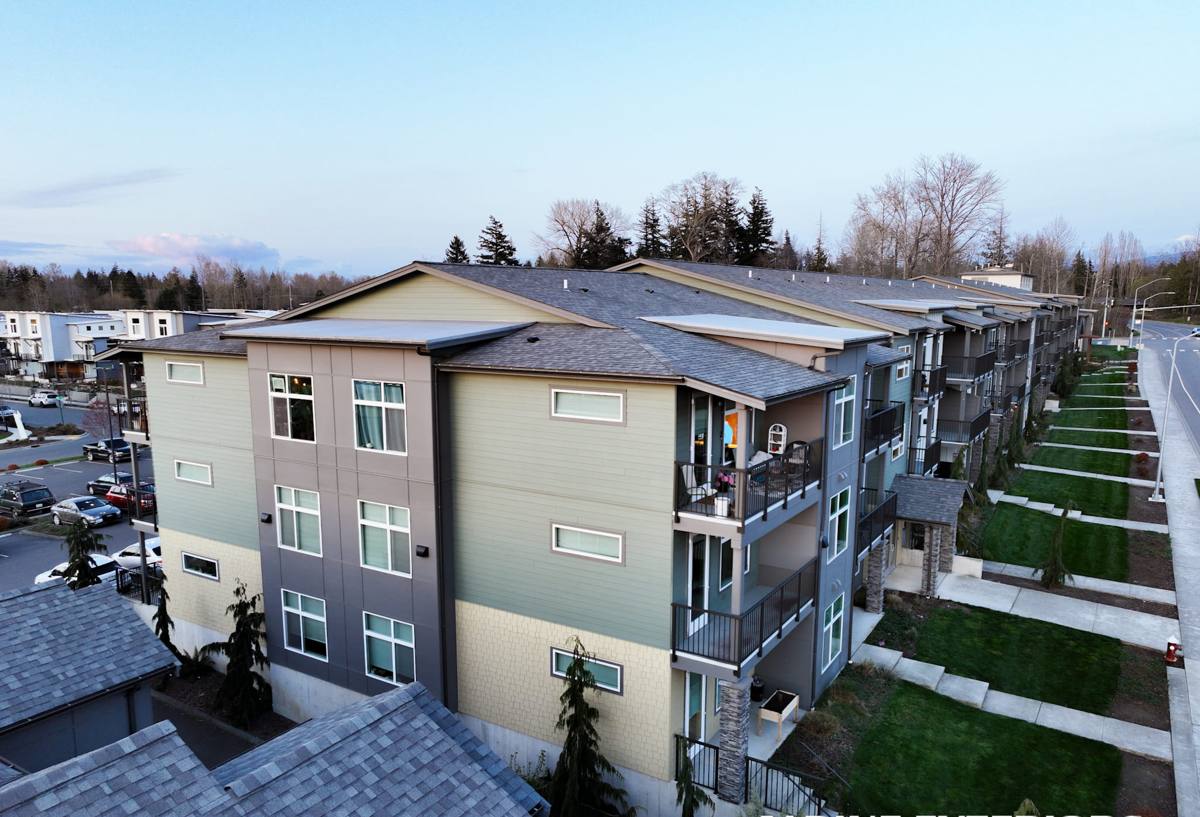
Why Vinyl, Wood, and Engineered Wood Struggle in This Environment
We get asked fairly often why we don't offer vinyl, cedar, primed spruce, or engineered wood products like LP SmartSide alongside fiber cement. The honest answer is that each of those materials has a real weak point that gets exposed faster in a coastal Pinellas County environment than it would somewhere drier and calmer.
- Vinyl siding is affordable and low-maintenance in mild climates, but it's a thin plastic product that softens and can distort in intense, sustained heat, and its locking panel system is more vulnerable to being torn loose in high wind than a face-fastened product. Color is baked into the material rather than a factory-cured finish, and years of strong Florida UV will visibly fade and chalk most vinyl over time.
- Wood siding (cedar or primed spruce) looks great on day one, but it's an organic material in a humid, salt-air climate — exactly the conditions that accelerate rot, insect activity, and paint failure. Keeping wood siding sound here means a real, ongoing maintenance commitment: inspection, caulking, and repainting on a schedule most homeowners underestimate.
- Engineered wood products like LP SmartSide improved on solid wood's weaknesses with resin-treated strand board, but they're still wood-based at the core. If moisture gets past the finish at a cut edge, seam, or fastener point, that core can swell and deteriorate, and repairs are more visible than with a cementitious product.
None of this means those products are junk — they're reasonable choices in the right climate, installed correctly, maintained on schedule. We simply made a decision as a company that on Treasure Island's barrier-island exposure, we'd rather install one product we can stand behind fully than offer several and let cost be the deciding factor.
Why We Only Install James Hardie Fiber Cement Siding
James Hardie siding is a cement-based composite — sand, cement, and cellulose fiber, cured into a rigid board. It doesn't have an organic core that can rot, it won't support termites or other wood-boring insects, and it's non-combustible, which matters both for fire safety and often for insurance considerations. For a home exposed to salt air and constant humidity swings, that's the foundation we want under the paint.
Hardie also manufactures a version of its siding formulated specifically for humid, coastal Southeast climates — often referred to as the HZ10 formulation, as opposed to the standard HZ5 blend used in drier, more temperate parts of the country. The HZ10 mix is engineered to resist moisture intrusion and biological growth in exactly the kind of year-round humidity Pinellas County sees. That distinction matters: a fiber cement board built for a dry climate and one built for a Gulf Coast climate are not the same product, even if they look identical off the truck.
On top of the substrate, most Hardie products we install use ColorPlus Technology — a color baked onto the board at the factory under controlled conditions, rather than field-painted after installation. A factory finish resists fading and chipping better than most site-applied paint jobs, and it comes backed by its own finish warranty separate from the substrate warranty on the board itself. Between the HZ10 core and the factory finish, you get a product built, on paper and in practice, for this exact climate — plus a long, transferable limited warranty on the siding itself, which matters if you ever sell the home.
What a Correct Fiber Cement Installation Actually Involves
Fiber cement is only as good as the installation behind it. It's a heavier, more rigid material than vinyl or wood, and it has specific requirements that a crew unfamiliar with it can get wrong in ways that don't show up until years later — usually as moisture damage behind the wall.
Water Management Comes First
Before the first piece of siding goes up, the wall needs a correctly lapped weather-resistive barrier and properly integrated flashing at every window, door, and roof intersection. Fiber cement is not waterproof on its own — it's the flashing and drainage plane behind it that keep wind-driven rain from finding its way into the wall assembly. This is the step that matters most and shows the least once the job is finished, which is exactly why it needs to be done right the first time.
Clearances and Fastening
Hardie's installation specifications call for specific clearances above grade, roof lines, decks, and other horizontal surfaces so water has somewhere to go and the board isn't sitting in standing moisture. Fasteners have to be the correct type and length for the substrate, driven flush (not overdriven, which crushes the board's fiber structure) and spaced per the manufacturer's pattern — not "close enough." Skipping or shortcutting these details is exactly how a fiber cement job ends up with problems that a wood or vinyl job might not show, because fiber cement doesn't forgive sloppy fastening the way softer materials sometimes do.
Joints, Seams, and Trim
Butt joints, corners, and trim transitions all need the correct treatment — proper gaps where called for, sealed and caulked where called for, and flashed where two horizontal or vertical planes meet. On a barrier-island home taking wind-driven rain from multiple directions over a storm's life, a poorly treated joint is where water finds its way in first.
Our Process, Start to Finish
- On-site evaluation. We look at your home's current siding condition, wall assembly, trim, and any problem areas — soft spots, staining, or existing moisture damage — before we talk about product or price.
- Written estimate. You get a clear scope of work: product line, color, trim details, and what's included, with no vague allowances.
- Tear-off and inspection. Old siding comes off and we inspect the sheathing underneath. Any rot or damage gets addressed before new material goes up — covering a problem is not an option.
- Weather barrier and flashing. The drainage plane goes in correctly around every penetration before any siding is installed.
- Siding installation. Hardie boards go up to manufacturer spec — clearances, fastening pattern, and joint treatment as outlined above.
- Trim and detail work. Corners, window and door trim, and any specialty details are finished out.
- Final walkthrough. We go over the completed job with you before calling it done.
Comparing Siding Options for a Treasure Island Home
| Factor | Vinyl | Wood / Primed Spruce | James Hardie Fiber Cement |
|---|---|---|---|
| Salt air / humidity resistance | Fair — can chalk and fade | Poor — prone to rot without diligent maintenance | Strong, especially with HZ10 formulation |
| Wind performance | Panels can loosen or crack in high wind | Depends on fastening; can split under stress | Rigid, face-fastened installation |
| Fire resistance | Combustible | Combustible | Non-combustible |
| Finish durability | Color molded in, fades over time | Requires repainting on a schedule | Factory-cured ColorPlus finish, own warranty |
| Ongoing maintenance | Low, but limited repair options | High — regular inspection and repainting | Low — occasional cleaning, no repainting cycle |
What Affects the Cost of a Siding Job Here
Every home is different, so we're not going to throw out a per-square-foot number that doesn't mean much without context. What actually drives cost on a Treasure Island project usually comes down to a handful of factors:
- The condition of the existing sheathing once old siding comes off — sound wood costs less to work with than sections that need repair.
- The home's size, wall height, and how much trim, corner, and window/door detail work is involved.
- The Hardie product line and profile selected — lap siding, shingle-style panels, and board-and-batten all have different material and labor requirements.
- Access — a single-story home on a straightforward lot is simpler to work around than a home with tight setbacks or multiple stories.
We walk through all of this during the on-site evaluation so the number in your written estimate reflects your actual home, not a generic average.
Maintenance in a Salt-Air Environment
Fiber cement lowers the maintenance burden compared to wood, but "low-maintenance" doesn't mean "no-maintenance," especially this close to the Gulf. A simple seasonal routine goes a long way:
- Rinse the siding periodically with a garden hose to clear accumulated salt residue, especially on sides of the house facing the water and prevailing wind.
- Inspect caulking at joints, trim, and penetrations once or twice a year, and have any cracked or missing caulk addressed before the next storm season.
- Keep sprinklers and irrigation heads from spraying directly on the siding — repeated direct wetting works against any exterior finish.
- Walk the exterior after any significant storm and look for loose boards, damaged trim, or impact marks rather than waiting for the next scheduled look.
Why a Local Largo Crew That Already Works Treasure Island Matters
Siding installation isn't identical everywhere in the country, and it isn't even identical everywhere in Florida. A crew that mostly works inland, drier climates doesn't necessarily think about flashing details, clearances, or fastener corrosion resistance the same way a crew that works Pinellas County's barrier islands every week does. We're based right here in Largo, which means we're pulling permits with the same local building department, working within the same Florida Building Code wind and moisture provisions that apply to coastal Pinellas County, and seeing firsthand how our own past installations hold up in this exact climate over time.
That local track record shapes how we install every job going forward — which flashing details actually matter here, where extra attention at joints and penetrations pays off, and what a barrier-island home needs that an inland home simply doesn't. When you hire a crew that's local to this area rather than one passing through, you're getting installation decisions informed by what actually happens to a house a few blocks from the Gulf, not just what a manual says should work in general.
If you're weighing your siding options for a Treasure Island home, we're glad to come take a look and give you a straightforward, no-pressure estimate — no obligation, just an honest read on what your home needs and what it would take to do the job right.