 Largo Window
 Building a Custom Deck for Belleair Bluffs' Climate
Belleair Bluffs is a small, mostly residential community in Pinellas County, tucked between Largo and the coast along the Intracoastal side of the county. It's a good example of a place where "just build a deck" isn't quite the right way to think about the project. Homes here sit close enough to open water and salt-laden air that a deck built to a generic, inland spec starts showing problems years before it should — corroding hardware, faded or splitting boards, railings that loosen under wind loads they were never designed for. A deck has no roof and no wall to shield it, so it takes the full brunt of whatever the climate throws at it, every day, for as long as it stands.
A custom deck for a Belleair Bluffs property means designing around this specific set of conditions from the start — not picking a stock layout and hoping the materials hold up. This page covers what local homes actually need from a deck given the climate here, what a correct build involves from framing to fasteners to finish, how our process works, and why it matters that we already build decks in this part of Pinellas County rather than treating it like any other job.
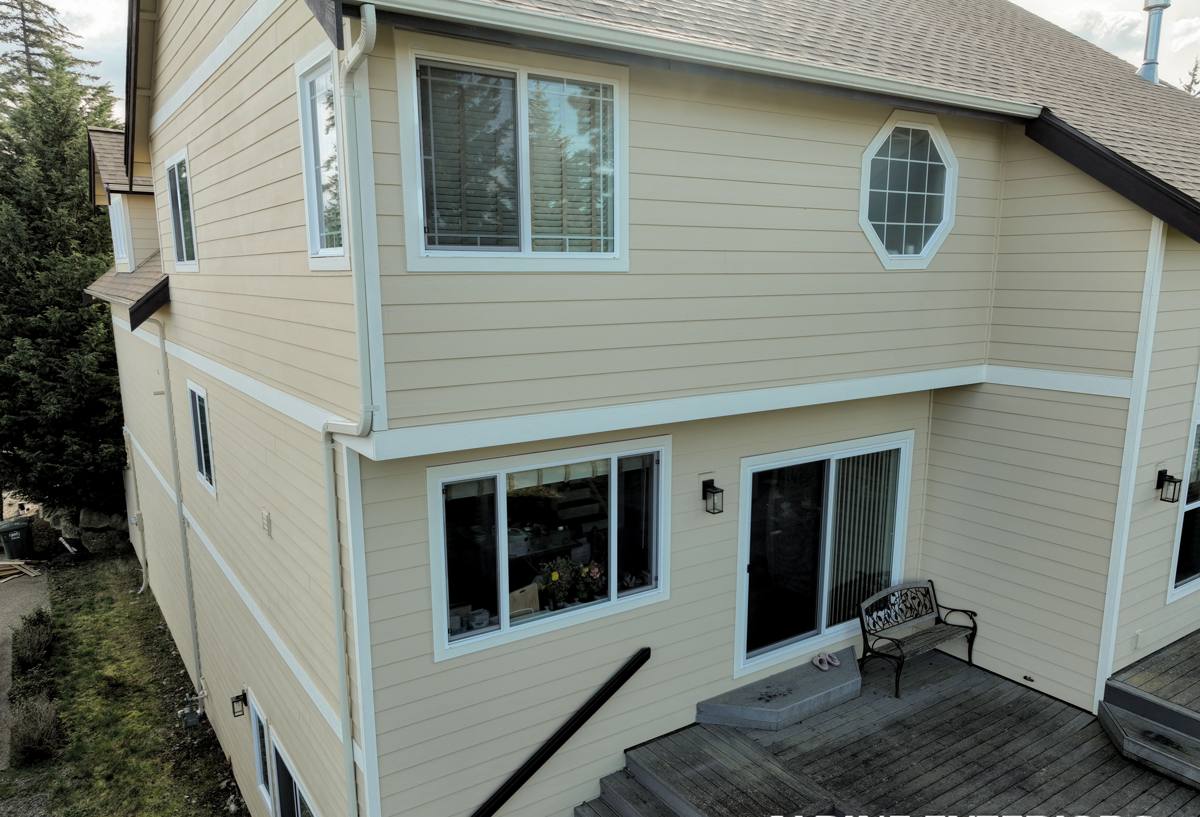
What Belleair Bluffs' Climate Does to a Deck
Hurricane-Force Wind
Pinellas County sits directly in the path of tropical systems, and any structure attached to a home here has to be built with real wind loads in mind, not just everyday breezes. For a deck, that means the ledger connection where it attaches to the house, the post-to-footing connections, and the railing system all need to be engineered to resist uplift and lateral force, not just carry the weight of people standing on the surface. A railing that looks solid on a calm day can be a liability the first time a tropical storm pushes through if it wasn't fastened correctly.
Salt Air Off the Water
Belleair Bluffs' proximity to the Intracoastal Waterway and the Gulf means the air here carries more salt than a location further inland would see, and that salt goes to work on anything metal. Fasteners, brackets, post hardware, and railing connectors all corrode faster in this environment, and a corroding fastener loses holding strength well before it looks obviously bad. On a structure people walk on and lean against, that's a safety issue, not just a maintenance annoyance.
Intense, Year-Round UV
Florida sun doesn't really take a season off, and a horizontal deck surface takes a more direct hit from UV exposure than a vertical wall does. Over time, UV breaks down the surface of lower-grade composite and untreated wood, causing fading, chalking, and in some cases surface cracking. Materials and finishes that aren't rated for sustained UV exposure will show it here faster than they would in a milder climate.
Wind-Driven Rain
Storms coming off the Gulf don't just drop rain straight down — wind pushes it sideways, up under railings, into ledger connections, and between deck boards that aren't gapped correctly. A deck that would shed water fine in calm conditions can still trap moisture at the ledger or in fastener holes the moment wind gets involved, which in this area is often. That's where rot, hidden corrosion, and structural softening usually start, out of sight until the damage is already done.
Choosing the Right Decking Material for This Climate
Material choice matters more here than it would in a drier, more sheltered part of the state, because the gap in performance between a well-suited product and a poorly-suited one shows up faster under sustained sun, salt, and moisture. The three main categories homeowners weigh are pressure-treated wood, capped composite, and cellular PVC.
Pressure-Treated Wood
Wood is the traditional, lower up-front-cost option and can look great when it's new, but it needs regular sealing or staining to hold up against Belleair Bluffs' combination of sun and moisture, and it's more vulnerable to fastener corrosion issues over time in salt air. Left unmaintained even a season or two, wood is usually the first material to show graying, splintering, and soft spots in this climate.
Capped Composite
Capped composite boards have a plastic shell around a wood-fiber composite core, which resists moisture absorption, staining, and UV fade far better than wood or uncapped composite. In a salt-air, high-UV environment like this one, that cap layer is doing real work — it's the difference between a deck that needs occasional washing and one that needs ongoing sealing and touch-up.
Cellular PVC
PVC decking contains no wood fiber at all, so it doesn't absorb moisture the way even capped composite can at cut edges or fastener holes, and it holds color well under sustained UV. It typically costs more up front and can flex a bit more under heavy point loads than composite, but for a deck that sits close to the water or gets heavy sun and moisture exposure, some homeowners find the added resistance worth the extra cost.
| Material | Salt Air & Moisture | UV Fade Resistance | Upkeep |
|---|---|---|---|
| Pressure-treated wood | Weakest — absorbs moisture, corrodes fasteners faster | Fades and grays without regular finish | Sealing or staining every 1-2 years |
| Capped composite | Strong — cap layer resists moisture and staining | Good, varies by product line | Occasional washing |
| Cellular PVC | Excellent — no wood fiber to absorb moisture | Very good to excellent | Occasional washing |
Framing, Fasteners, and Structural Details That Matter Here
The decking surface is what homeowners notice, but the framing and connection details underneath it are what determine whether a deck holds up to a Pinellas County storm season. A few specifics we treat as non-negotiable on every build:
Ledger Attachment and Flashing
Where a deck attaches to the house, the ledger board has to be through-bolted (not just nailed or screwed) and properly flashed to keep wind-driven rain from working its way behind it into the house's wall structure. This is one of the most common places we find problems on older or poorly built decks in this area, and it's not visible until something has already gone wrong.
Fastener Grade and Hardware
We use corrosion-resistant, coastal-rated fasteners and structural hardware throughout — not standard interior-grade hardware that happens to be galvanized. In salt air, the difference between the two shows up within a few years, not decades.
Footings and Post Connections
Footings need to be sized and set to local frost-free, load-bearing standards, with post base hardware that resists both uplift and lateral movement. A deck that's structurally sound in calm weather but under-anchored at the posts is exactly the kind of structure that fails first in a wind event.
Railings Built for Wind, Not Just Code Minimums
Railings have to meet Florida's structural requirements, but meeting the bare minimum isn't the same as building a railing that holds up to repeated storm exposure over the life of the deck. We spec railing hardware and post spacing with the area's wind exposure in mind, not just what passes inspection on day one.
Permits and Local Code Considerations
Deck construction in Belleair Bluffs falls under Pinellas County and local building code requirements, which cover structural design, wind load, railing height and spacing, and setback from property lines. Most custom deck projects require a permit, and inspections typically occur at the framing stage and again at final completion. Skipping permitting isn't a shortcut worth taking — beyond the legal exposure, an unpermitted deck can complicate a home sale or insurance claim down the road, and it means no third-party check on whether the structural details were actually done correctly.
We handle the permitting process as part of the project rather than leaving it to the homeowner to sort out, which matters in a county where wind-load and coastal construction requirements are more involved than in many parts of the country.
Our Process for a Belleair Bluffs Deck Project
- Site visit and assessment — we walk the property, evaluate sun and wind exposure, grade, drainage, and how the space connects to the house.
- Design and material selection — we design the layout around how the space will actually be used and go through material trade-offs honestly, including cost, maintenance, and how each option performs in this climate.
- Permitting — we prepare and submit the permit package and coordinate required inspections.
- Construction — framing, ledger attachment and flashing, footings, decking, and railings, built to the structural details covered above.
- Final walkthrough — we go over the finished deck together, confirm everything meets the design and passed final inspection, and cover basic care going forward.
Maintaining a Deck in This Climate
Even a well-built deck needs some ongoing attention in a coastal, high-UV environment. A little regular upkeep goes a long way toward avoiding bigger repairs later.
- Rinse the deck surface periodically to clear salt residue, pollen, and organic buildup before it works into the material
- Keep gaps between boards clear of leaves and debris so water can drain and air can circulate underneath
- Inspect railing posts, hardware, and fasteners at least once a year for early corrosion or loosening, especially before hurricane season
- Reseal or restain wood decking on a regular schedule if that's the material chosen — don't wait until it's visibly failing
- Check the ledger and flashing area for signs of moisture intrusion, particularly after a heavy storm season
- Address any soft framing or standing water underneath the deck right away — it's a structural issue that doesn't improve with time
Why It Matters That We Already Work Belleair Bluffs
A crew that mostly builds decks further inland can still frame a deck competently, but a Belleair Bluffs project has variables that don't come up as often in a more sheltered part of the county — coastal-grade fastener requirements, wind loads tied to proximity to open water, and UV and salt exposure that shorten the lifespan of the wrong material choice. Working this area regularly means we're not guessing at those requirements on your project. We know which decking lines actually hold up to this specific combination of sun, salt, and storm exposure, and which fastener grades and structural details are worth the extra attention rather than an upsell.
That familiarity also shows up in the smaller judgment calls — how to orient a deck for the wind and sun a particular lot actually sees, and being straightforward with you about what a deck here realistically needs to last versus what's just an added cost.
Get a Straight Answer About Your Deck
Whether you're replacing a tired deck, building new, or just want an honest read on what a custom deck would take on your Belleair Bluffs property, we're happy to walk the site with you and lay out the options plainly, including real cost and material trade-offs. Reach out below for a free, no-pressure estimate.