 Largo Window
 Living on the Water's Edge: What Belleair Bluffs Asks of a Home's Exterior
Belleair Bluffs sits on a narrow strip of high ground between Old Tampa Bay and the Intracoastal, and that geography matters more than most homeowners realize until their siding starts failing early. Being close to open water means near-constant salt-laden air, which accelerates corrosion on fasteners and finishes that aren't built for it. Add in the sun exposure that comes with a Pinellas County address — full, unfiltered Florida UV for most of the year — and the wind-driven rain that arrives with every strong summer storm or hurricane threat, and you have a combination that punishes ordinary siding materials faster than it would in an inland town.
We install James Hardie siding in Belleair Bluffs because it's the product built to hold up under exactly those conditions, and this page walks through what that actually means for a home in this specific pocket of the coast.
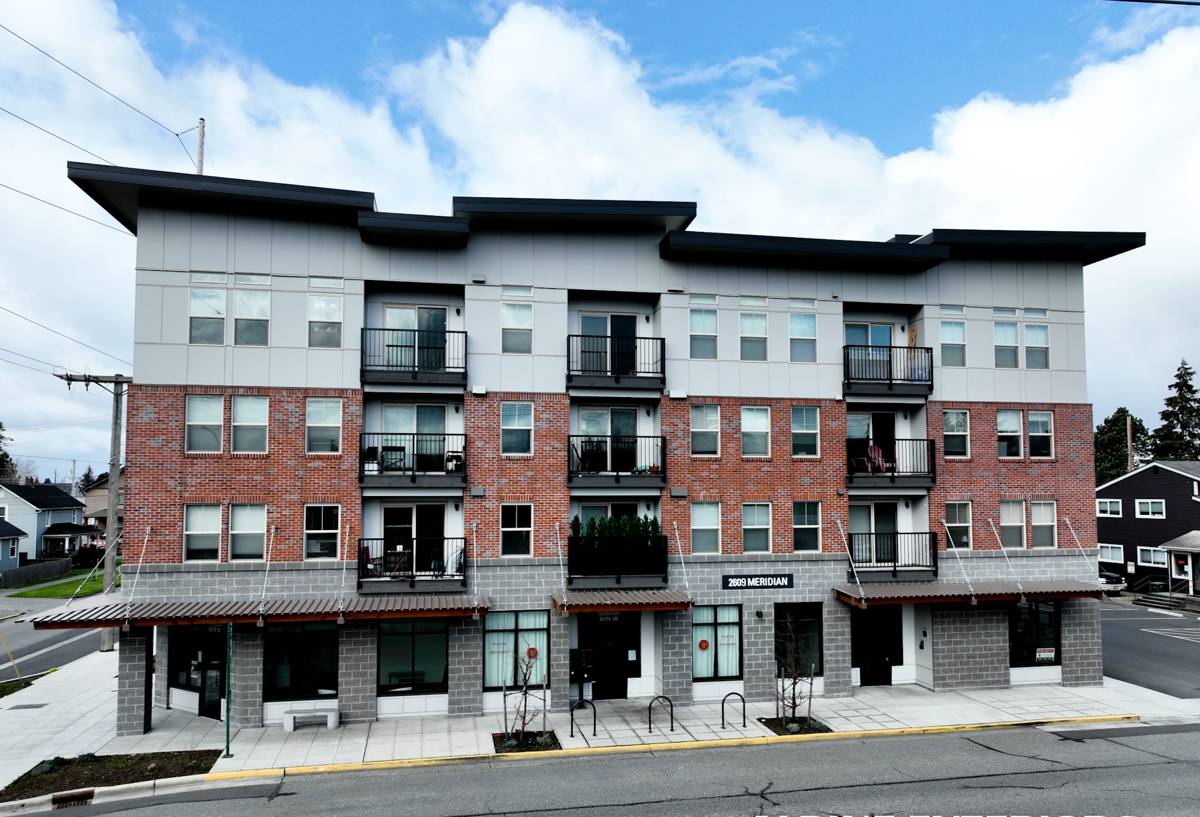
Why We Only Put James Hardie on Homes in This Area
We don't install vinyl, LP SmartSide, Cemplank, Allura, or primed wood siding, and that's a deliberate standard, not an oversight. Each of those products has legitimate uses elsewhere, but none of them holds up the same way in a high-salt, high-UV, high-wind coastal environment like Belleair Bluffs:
- Vinyl softens and warps under sustained heat and direct sun, and it can crack or blow off in high wind if it isn't installed with exact attention to fastening and expansion gaps.
- LP SmartSide and other wood-strand products are engineered wood — moisture intrusion at a cut edge or fastener point can lead to swelling and rot over time, which is a bigger risk this close to salt water and humidity.
- Other fiber cement brands like Cemplank or Allura are chemically similar to James Hardie, but we don't have the same manufacturer training, installation documentation, warranty backing, or regional product engineering behind them that we have with Hardie.
- Primed cedar or spruce requires an ongoing paint and caulk maintenance cycle that most homeowners underestimate, and salt air shortens that cycle considerably.
James Hardie fiber cement is non-combustible, dimensionally stable in heat and humidity, and manufactured with regional climate engineering built in. That's the standard we hold every job to, and it's why we don't offer alternatives we don't believe will perform here.
Choosing the Right Hardie Profile for a Belleair Bluffs Home
James Hardie makes several distinct product lines, and the right choice depends on the home's architecture and how exposed it is to wind and water:
- HardiePlank lap siding — the most common choice, available in several exposure widths and textures (smooth, cedarmill, beaded), and the right fit for most single-family homes in the area.
- HardieShingle — staggered or straight-edge panels for homes going for a coastal cottage or shingle-style look.
- HardiePanel vertical siding — often used on gables, dormers, or as an accent alongside lap siding.
- HardieTrim — fascia, corner boards, and trim pieces manufactured to match, so the whole exterior is fiber cement rather than mixing in wood trim that will age differently.
Why the HZ5 Climate Designation Matters Here
James Hardie engineers its siding into climate zones, and Florida falls into the HZ5 category — the formulation built to resist moisture, mildew growth, and the freeze-thaw non-issue we don't have, but adjusted for high humidity and heat instead. Using the correct HZ-rated product for this region isn't optional from our end; it's the baseline. A batch of siding engineered for a dry climate simply doesn't perform the same way against Gulf Coast humidity and salt exposure.
What a Correct Installation Actually Involves
Fiber cement siding is only as good as the installation behind it. A huge share of the "Hardie siding problems" homeowners hear about trace back to installation shortcuts, not the product itself.
Prep and the Water-Resistive Barrier
Before a single piece of siding goes up, the sheathing needs to be sound and a proper water-resistive barrier installed with correctly lapped and taped seams. In a wind-driven rain environment like this one, that barrier is the actual line of defense if any water gets past the siding face — the siding sheds most of the water, but the barrier handles what gets through.
Fastening, Clearances, and Flashing
James Hardie publishes specific fastening patterns, minimum clearances from rooflines, decks, and grade, and flashing details around every window, door, and penetration. Skipping these — nailing too close to panel edges, butting siding tight against a roof deck with no kick-out flashing, or leaving gaps unsealed at penetrations — is how moisture problems start, regardless of how good the siding material itself is. We follow Hardie's installation manual as the standard on every job, not a suggestion.
The ColorPlus Finish and Field-Painted Alternative
Most homes in this area are best served by James Hardie's ColorPlus factory finish — a baked-on, multi-coat finish applied under controlled conditions that resists UV fading far better than a field-applied paint job and carries its own finish warranty. For homeowners who want a custom or less common color, primed Hardie siding can also be field-painted, but that shifts the ongoing repainting cycle onto the homeowner rather than the factory finish.
How Hardie Compares to Other Siding Options Homeowners Ask About
| Factor | James Hardie Fiber Cement | Vinyl | LP SmartSide / Wood-Strand |
|---|---|---|---|
| Performance in salt air | Strong — non-organic material, factory finish resists fading | Fair — can chalk and become brittle over time | Weaker — moisture at seams/edges is a long-term risk |
| Wind resistance (properly installed) | High — engineered for high-wind zones | Moderate — panel blow-off risk in sustained high wind | Moderate — dependent on fastening and edge sealing |
| UV/fade resistance | High with ColorPlus finish | Moderate — colors fade, especially darker tones | Moderate — paint maintenance required |
| Fire resistance | Non-combustible | Combustible | Combustible |
| Typical maintenance | Low — occasional wash, repaint only if field-painted | Low but limited lifespan | Moderate — paint/caulk cycle to prevent moisture intrusion |
| Warranty structure | Long-term, transferable manufacturer warranty | Varies widely by product tier | Varies, often shorter on finish |
This isn't a knock on the other products in every application — it's an explanation of why, for homes exposed to this particular combination of sun, salt, and storm risk, we've standardized on one material we can stand behind.
Our Process, Start to Finish
- On-site assessment — we look at the current siding, sheathing condition, trim, and any problem areas (window flashing, deck ledger connections, roof-to-wall transitions) before quoting anything.
- Product and color selection — choosing the right HardiePlank exposure, texture, and ColorPlus color, or panel style for accent areas.
- Tear-off and sheathing repair — removing old siding, replacing any compromised sheathing, and correcting past installation issues we find underneath.
- Water-resistive barrier and flashing — installed to manufacturer spec at every window, door, and penetration.
- Siding installation — following James Hardie's fastening schedule and clearance requirements throughout.
- Trim, caulking, and final detailing — HardieTrim and sealant work at every joint that needs it.
- Final walkthrough — reviewing the finished job with the homeowner before we consider it done.
Why Hiring a Crew That Already Works Belleair Bluffs Matters
Installation quality on Hardie siding varies a lot from crew to crew, and a contractor who works this specific stretch of coast regularly already understands things a crew from farther inland might not think to check — how close a given lot sits to open water, how HOA or deed restrictions in some Belleair-area neighborhoods handle exterior color approvals, and how quickly salt residue builds up on a finish here compared to elsewhere in the county. That familiarity shows up in fewer surprises during the job and fewer callbacks after it.
It also means a crew that's used to Pinellas County permitting and inspection requirements, which keeps a siding project moving instead of stalling on paperwork.
What Owning Hardie Siding in Belleair Bluffs Actually Looks Like
Correctly installed James Hardie siding is genuinely low-maintenance, but "low-maintenance" doesn't mean "no attention required." A short seasonal checklist keeps it performing the way it's supposed to:
- Rinse salt residue and grime off the siding periodically with a garden hose or low-pressure wash — a build-up of salt film left to sit is harder on any exterior finish over time.
- Walk the exterior after major storms and check caulking at trim joints, window/door flashing, and panel seams for any separation.
- Keep an eye on areas where sprinklers hit the siding directly — repeated mineral deposits in one spot can dull a finish faster than general weather exposure.
- Trim back landscaping so foliage isn't holding moisture against the siding face.
- If you chose a field-painted finish rather than ColorPlus, plan for repainting on a normal exterior paint cycle rather than assuming it never needs attention.
None of this is heavy upkeep — it's the difference between siding that looks new for decades and siding that shows its age early because small issues went unnoticed.
If you're weighing a siding replacement or repair in Belleair Bluffs, we're happy to take a look and walk you through what your home specifically needs — no pressure, no obligation. Use the form below to request a free estimate.