 Largo Window
 Belleair Bluffs sits on a stretch of elevated ground close to the Intracoastal side of Pinellas County, wedged between Largo and Belleair, with more homes here catching direct water-facing exposure than you'd find a few miles further inland. That position is part of what makes the neighborhood desirable, and it's also exactly what makes roofing decisions here different from a generic Largo job. A roof on this side of the county deals with hurricane-force wind events, sun that doesn't let up for most of the year, rain that gets driven sideways instead of falling straight down, and salt air working on metal and fasteners every single day, storm or no storm. Metal roofing holds up to that combination better than most other roofing materials when it's specified and installed correctly — but "metal roofing" covers a wide range of products and installation approaches, and the gap between a system built for this exposure and one that isn't shows up faster here than almost anywhere else in the county.
Why Metal Roofing Fits Belleair Bluffs Specifically
Homeowners in Belleair Bluffs generally look at metal roofing for the same reasons homeowners anywhere near the Gulf do — wind performance, longevity, and lower long-term maintenance compared to shingles that wear out faster in this kind of sun and salt exposure. What's different here is how much that exposure varies block to block. A home closer to the water catches more direct wind load and more concentrated salt air than one set back closer to Largo's inland neighborhoods, even though both addresses fall under the same Pinellas County building code. That means the right panel type, gauge, and fastening approach for one Belleair Bluffs home isn't automatically right for the house two streets over. A correct metal roofing job starts with an honest look at where your specific roof sits relative to that exposure, not a one-size-fits-all recommendation.
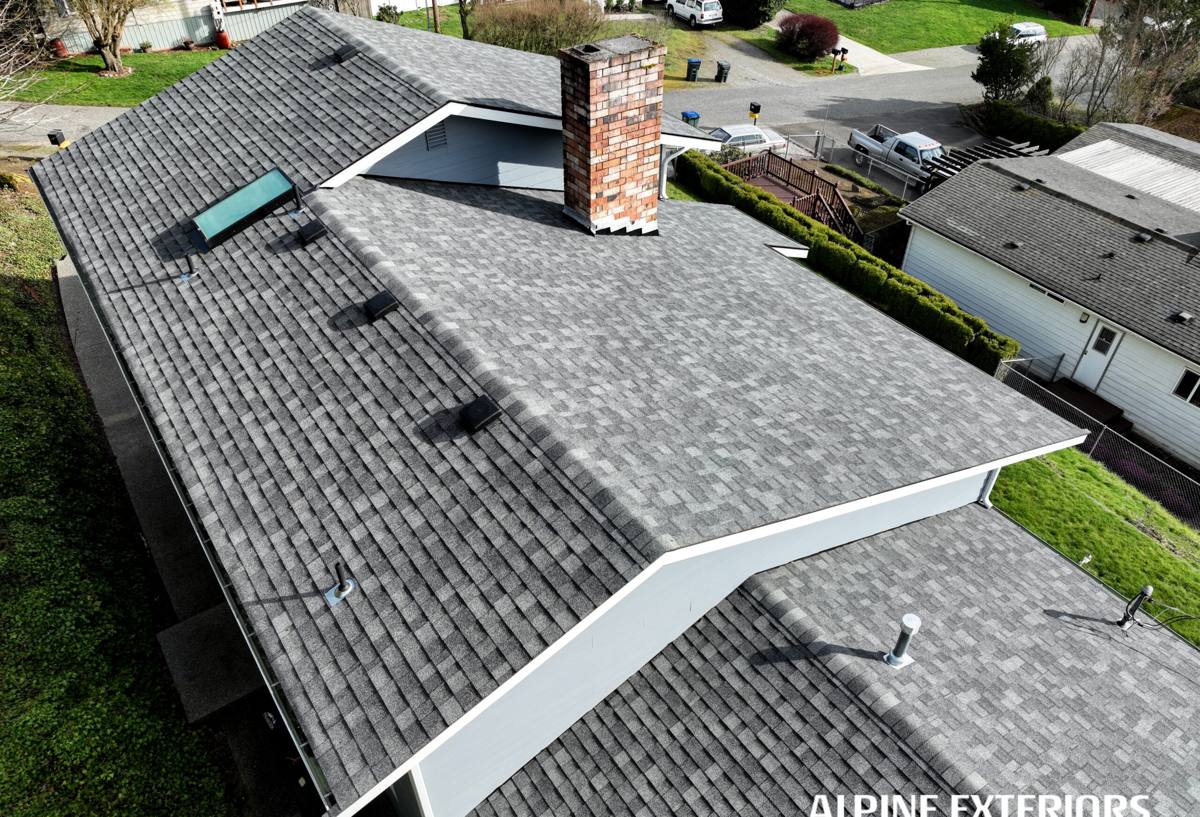
What This Climate Actually Does to a Roof
Four things drive most of the roofing problems we see in this part of Pinellas County, and they compound each other rather than acting alone.
Hurricane-Force Wind
Wind is what tests a roof's attachment, not just its material. Panels, fasteners, and clips all have to work together as a system rated for real uplift forces, and that rating is only as good as the installation behind it. A metal roof with the right wind rating on paper can still fail at the seams or fastener points if the installation didn't follow the manufacturer's tested assembly.
Intense, Year-Round UV
Florida sun works on roofing finishes every day of the year, not just during a few summer months. Lower-quality paint systems chalk, fade, and lose their protective properties years before a well-specified coating would, which matters more on a metal roof than people expect since the finish is also the primary defense against corrosion underneath it.
Wind-Driven Rain
Rain that's being pushed sideways or even upward under roof edges behaves nothing like rain falling straight down. It tests seam design, underlayment, and every penetration and transition on the roof. This is where a properly engineered standing seam or correctly lapped panel system earns its price difference over a cheaper option — the water resistance isn't just about the panel, it's about how the whole assembly is designed to shed water under pressure.
Salt Air
Salt-laden air off the water is a slow, constant process rather than a storm-event problem. It goes after unprotected fasteners, cut edges, and lower-grade metals continuously, whether or not a hurricane ever makes landfall that year. On a home with the kind of water proximity common in Belleair Bluffs, corrosion resistance isn't optional — it's one of the first specifications that should be decided, not an afterthought added at the end.
Where Roofs Actually Fail First
It's rarely the flat field of metal panel that fails first. It's the edges, seams, penetrations, and fastener points — exactly the spots where wind gets underneath a panel, where water finds a lapped joint that wasn't sealed correctly, or where a cheap fastener starts corroding years before the panel around it shows any wear. Those details are where the difference between a correctly installed metal roof and a rushed one actually shows up.
Metal Roofing Options for This Area
Not all metal roofing is built the same way, and the differences matter more here than in a milder climate. The two main categories are standing seam systems, where panels are joined with raised, mechanically or hydraulically locked seams and no exposed fasteners, and exposed-fastener screw-down panels, where the panel is attached directly through its face with gasketed screws.
| System Type | How It's Attached | Fit for This Exposure |
|---|---|---|
| Standing Seam | Concealed clips and locked seams, no fasteners through the panel face | Best wind and water performance; our default recommendation for direct water-facing or highly exposed roofs |
| Exposed-Fastener Screw-Down Panels | Screws driven directly through the panel face into gaskets | Lower upfront cost, but every fastener is a maintenance point and a potential leak path as gaskets age in constant UV and salt cycling |
| Metal Shingles/Shakes | Interlocking panels styled to resemble shingle or shake profiles | Good option where a more traditional roofline appearance is wanted while keeping metal's wind and longevity advantages |
We lead with standing seam on homes with significant water exposure because the lack of exposed fasteners removes the single most common long-term maintenance issue on a metal roof — aging gaskets that eventually need re-torquing or replacing. That's our professional standard for this kind of exposure, not a claim that screw-down systems don't have a place; they can be a reasonable, lower-cost option on a more sheltered roof plane or outbuilding where the trade-off makes sense.
What a Correct Metal Roof Installation Involves
Deck Inspection
A metal roof is only as good as what it's fastened to. We inspect the decking for soft spots, prior moisture damage, or rot before anything new goes down, and address anything we find rather than covering it up under new material.
Underlayment
A high-temperature-rated synthetic or self-adhered underlayment goes down as a secondary water barrier beneath the panels. This layer is what protects the home if wind-driven rain ever works its way past a seam or fastener, and it matters more here than in a drier, calmer climate.
Panel and Seam Work
Seams on a standing seam roof need to be mechanically locked to the specification the panel manufacturer tested for wind uplift. This isn't a step to shortcut — the seam is what holds the whole system together under real storm-force wind, not just the individual panel.
Flashing at Penetrations and Transitions
Valleys, wall intersections, vents, and any roof-to-wall transition need flashing that's properly lapped and integrated with the underlayment, not just caulked as an afterthought. These transitions are where most roof leaks actually start, on metal roofs just as much as on shingle roofs.
Fasteners and Hardware
Every exposed fastener, clip, and piece of trim hardware should be corrosion-resistant, matched to the panel metal to avoid galvanic reaction, and rated for coastal exposure. This is a small line item on an estimate that has an outsized effect on how the roof performs a decade in.
Quick Checklist Before You Sign a Roofing Contract
- Confirm the wind uplift rating specified for the panel and fastening system, not just a generic "hurricane-rated" claim
- Ask whether standing seam or screw-down is being proposed, and why, for your specific roof exposure
- Get the underlayment type and coverage specified in writing, including at valleys and penetrations
- Confirm fasteners and trim hardware are corrosion-resistant and compatible with the panel metal
- Ask how flashing at walls, vents, and transitions will be handled, not just the open panel field
- Get the finish/coating system named specifically, since UV resistance varies significantly between paint systems
Cost Factors Worth Understanding
Metal roofing bids can vary widely for what looks like the same job, and the difference usually comes down to real scope differences rather than one contractor padding the price.
| Factor | What It Affects |
|---|---|
| Panel system (standing seam vs. screw-down) | Upfront cost, long-term maintenance needs, and wind/water performance |
| Gauge (metal thickness) | Denting resistance and overall panel rigidity under wind load |
| Coating/finish system | How well the roof resists fading, chalking, and UV degradation over time |
| Underlayment grade | Backup protection against wind-driven rain intrusion |
| Roof complexity | More valleys, penetrations, and transitions mean more flashing labor and material |
| Tear-off vs. overlay | Whether existing deck condition gets inspected and corrected before new panels go on |
A written estimate that breaks these items out separately tells you far more than a single bottom-line number, and it's worth asking any contractor to walk through what's actually included before comparing bids.
Our Process, Start to Finish
- On-site inspection — we assess the existing roof, deck condition, and the specific wind/water exposure of your home's location within Belleair Bluffs
- Honest recommendation — standing seam, screw-down, or metal shingle, explained in terms of your roof's actual exposure and budget, not a default pitch
- Written estimate — itemized coverage of panel system, gauge, coating, underlayment, and flashing scope
- Tear-off and deck prep — old roofing removed, decking inspected, and any damage corrected before new material goes down
- Underlayment and panel installation — installed to manufacturer specification for wind uplift rating
- Flashing, trim, and final walkthrough — all transitions detailed and sealed, then reviewed with you before we call the job complete
Why Hiring a Crew That Already Works Belleair Bluffs Matters
Metal roofing is less forgiving of installation shortcuts than asphalt shingles, and a crew that hasn't worked this specific stretch of Pinellas County regularly can get a panel spec right on paper and still miss the details that keep water and wind out in practice — how a seam actually needs to be locked to perform under real storm-force wind, which flashing details need extra attention given how close a given home sits to the water, when a fastener spec needs to be upgraded because of the salt exposure a particular lot sees. Those are judgment calls made on the roof, not decisions a spec sheet makes for you.
It also matters after the job is done. A workmanship warranty only means something if the company behind it is still around and reachable a few years later, and a contractor with an ongoing, established presence in the Largo area is the one you can actually call back if a question comes up down the road.
Signs Your Belleair Bluffs Roof May Need Attention
Metal roofs generally give warning signs before a real problem develops, and catching them early is usually the difference between a targeted repair and a much bigger job.
- Rust streaking or corrosion around fasteners, trim, or panel edges
- Loose, lifted, or vibrating panels during wind, which usually points to a fastening or clip issue
- Fading, chalking, or peeling on the panel finish well before the coating's expected service life
- Water staining on interior ceilings near valleys, vents, or wall transitions
- Visible gaps or separation at seams, flashing, or panel overlaps
If you're seeing any of these on a Belleair Bluffs roof, it's worth having it looked at before the next round of heavy weather rather than waiting for a leak to force the decision.
If you're planning a new metal roof or replacing one that's not holding up the way it should, we're glad to take an honest look and walk you through what your specific home actually needs. We offer free, no-pressure estimates for metal roofing projects in Belleair Bluffs and throughout the Largo area — use the form below to get a time on the schedule.