 Largo Window
 Belleair Bluffs Roofs Work Harder Than Most
Belleair Bluffs sits in one of the more exposed pockets of Pinellas County — close enough to the Intracoastal Waterway and the Gulf that salt air is a daily fact of life, not an occasional nuisance. Add in Florida's intense year-round UV, sudden wind-driven downpours, and the real threat of hurricane-force gusts during storm season, and you've got a climate that ages a roof faster than almost anywhere else in the country. A roofing system that would last thirty years in a drier, cooler climate might only give you eighteen to twenty here if it wasn't installed with this specific environment in mind.
That's the core problem with a lot of roof replacements: they use good materials but install them the way you'd install them in Ohio or Georgia. In Belleair Bluffs, the details that don't matter much elsewhere — fastener patterns, underlayment type, flashing sequencing, attic ventilation — are exactly what determines whether your roof makes it to year 15 or year 25.
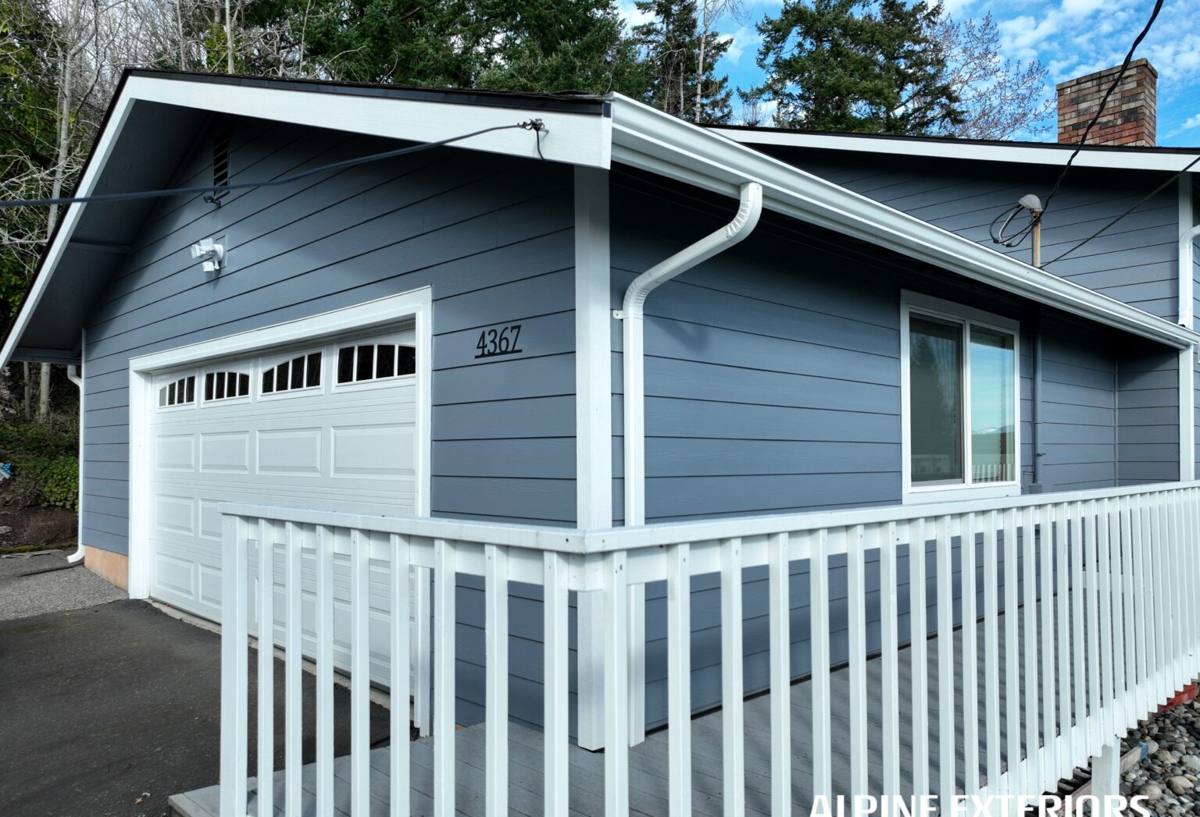
What Actually Wears Out a Roof Near the Water
UV and Heat Cycling
Florida sun breaks down asphalt shingle oils and adhesives faster than almost any other part of the country. Shingles that are rated for a 25- or 30-year lifespan nationally often fall well short of that here simply because of daily UV exposure and the constant expansion-contraction cycle between blistering afternoons and cooler nights.
Salt Air Corrosion
Proximity to the water means airborne salt settles on roofing materials and, more importantly, on the metal components — flashing, fasteners, vents, and drip edge. Standard galvanized fasteners and unprotected metal flashing corrode noticeably faster in this environment. This is one of the most overlooked failure points on roofs in coastal Pinellas County neighborhoods like this one.
Wind-Driven Rain
It's not the straight-down rain that causes problems — it's rain being pushed sideways and upward under shingle tabs, at ridge caps, and around penetrations during storms. A roof can look intact from the ground while wind-driven rain is finding its way through gaps that only show up under real storm conditions.
Hurricane Wind Uplift
Florida Building Code requires specific wind-rated installation methods in this region, and Pinellas County inspectors enforce them closely. A roof that isn't fastened, sealed, and detailed to current wind-uplift standards is a liability in a storm — not just for the roof itself, but for the rest of the house.
Signs a Belleair Bluffs Roof Needs Replacement, Not Another Repair
- Granule loss heavy enough that you're finding grit in gutters or at downspout outlets
- Shingles that are curling, cupping, or cracking, especially on south- and west-facing slopes
- Soft spots or sagging when walked on, which usually means deck-level moisture damage
- Repeated leaks in different spots after storms, rather than one isolated leak
- Visible daylight or staining in the attic around penetrations, valleys, or the ridge
- A roof older than 15-18 years that hasn't had a full inspection since installation
- Rising insurance premiums or a carrier flagging the roof's age during a policy review
Any one of these on its own might just call for a repair. Two or three together, especially on a roof past the 15-year mark, usually means the underlying materials have reached the point where patching is a short-term fix on a system that's failing as a whole.
Roofing Materials That Actually Hold Up in This Climate
There's no single "best" roofing material for every home — it depends on your roof's pitch, your budget, and how long you plan to own the house. What matters is understanding the real trade-offs for a coastal Pinellas County property.
| Material | Typical Lifespan Here | Coastal Considerations |
|---|---|---|
| Architectural asphalt shingle | 15-22 years | Most affordable option; needs high wind-rated shingles and proper fastening to perform well here |
| Standing seam metal | 30-45 years | Excellent wind and UV performance; needs marine-grade fasteners and coatings to resist salt corrosion |
| Concrete or clay tile | 30-50 years | Very durable against UV and wind uplift when installed correctly; heavier, so deck and structure must be verified first |
| Modified bitumen / TPO (low-slope) | 15-20 years | Common on additions or flat sections; seam quality and flashing detail matter more than the membrane itself |
We don't push one material on every homeowner. What we will tell you honestly is which option fits your roof's actual pitch, structure, and budget — and we'll explain the maintenance trade-offs of each rather than just quoting the cheapest number.
What a Correct Roof Replacement Actually Involves
A roof replacement is more than stripping old shingles and nailing down new ones. Done correctly for this climate, it involves several layers most homeowners never see but that determine how the roof performs in year 10, not just year one.
Deck Inspection and Repair
Once the old roofing is removed, the plywood or OSB deck underneath gets inspected for soft spots, delamination, or water damage. Any compromised sections get replaced before anything new goes down — covering a bad deck with new shingles just hides the problem.
Underlayment
A synthetic or self-adhering underlayment rated for wind-driven rain is the real waterproofing layer beneath the visible roofing material. In a coastal area like Belleair Bluffs, this layer earns its keep during every named storm that comes through.
Flashing and Penetrations
Chimneys, vents, skylights, and roof-to-wall transitions are where the vast majority of leaks originate — not the open field of shingles. Correct flashing, properly lapped and sealed, is what keeps water out at these transition points.
Ventilation
Proper intake and exhaust ventilation keeps attic temperatures down and moisture from building up underneath the roofing material, which extends the life of both the roof and the shingles above it. It also affects energy costs, since a poorly ventilated attic pushes heat into the living space below.
Fastening to Code
Nailing pattern, fastener type, and shingle sealing all have to meet Florida Building Code wind-uplift requirements for this region — not the minimum standard used in other parts of the country.
Our Roof Replacement Process
- On-site inspection and estimate — we assess your current roof, attic ventilation, and deck condition, and walk you through what we find
- Material selection — we go over options that fit your roof's structure, your budget, and how long you plan to stay in the home
- Permitting — we pull the required Pinellas County permit and schedule inspections; this isn't optional and it isn't something to skip
- Tear-off and deck inspection — old roofing comes off, the deck is inspected, and any damaged sections are documented and repaired
- Underlayment and flashing installation — the waterproofing layer and all flashing details go in before the finished roofing material
- Roofing installation — installed to wind-rated specifications with correct fastening and sealing
- Final inspection and cleanup — county inspection, a walkthrough with you, and a full property cleanup including magnetic nail sweep
Permits, Wind Mitigation, and Insurance
Pinellas County requires a permit and inspections for a full roof replacement — there's no shortcut around this, and a contractor who offers to skip it should be a red flag, not a selling point. Beyond the legal requirement, a properly permitted and inspected roof replacement typically qualifies you for a wind mitigation inspection afterward, which can lower your homeowner's insurance premium. Given how much wind coverage costs on a coastal Pinellas County property, that inspection is worth scheduling once the new roof is in place.
Why Local Experience in Belleair Bluffs Matters
A crew that works this specific stretch of coastline knows things a roofer from inland doesn't have to think about: which fastener and flashing metals actually resist salt corrosion instead of just meeting minimum code, how older homes in this area were originally decked and vented, and what Pinellas County inspectors specifically look for during permitted work. That local knowledge shows up in fewer callbacks, fewer surprises during tear-off, and a roof that's actually built for the environment it's going on — not a generic install that happens to be in Florida.
Questions Worth Asking Before You Hire
- Are you licensed and insured to do roofing work in Pinellas County?
- Will you pull the permit yourself, and will the job be inspected?
- What underlayment and fastener types do you use, and are they rated for coastal/wind-driven conditions?
- What's your plan for deck repair if damage is found once tear-off starts?
- What warranty covers labor separately from the manufacturer's material warranty?
- Can you walk me through the ventilation plan for my attic, not just the shingles?
If a contractor can't give you a straight answer to any of these, that's worth noting before you sign anything.
Get a Straight Answer on Your Roof
If your roof is showing its age, took a beating in the last storm season, or you're just not sure whether it's a repair or a replacement situation, we're happy to take a look. We'll give you an honest read on the roof's real condition, walk you through material options that make sense for a home in Belleair Bluffs, and put together a free, no-pressure estimate — no upsell, just what your roof actually needs. The form below is the easiest way to get started.