 Largo Window
 Deck Repair Built for Belleair's Coastal Conditions
Belleair sits close enough to the Gulf that salt air, humidity, and intense sun are part of daily life for anyone with an outdoor deck. A deck here doesn't fail the same way one does inland. Fasteners corrode faster, wood fibers dry and crack under UV exposure, and afternoon storms drive rain sideways into ledger boards and joints that were never meant to stay wet. If you're noticing soft spots, loose railings, popped nails, or boards that have gone gray and splintery, that's not just cosmetic wear — it's usually the early stage of a structural problem that gets more expensive the longer it sits.
We repair decks throughout the Largo and greater Pinellas County area, including Belleair, and we've seen how quickly a deck that looks "fine" on the surface can hide rot, corroded hardware, or a ledger connection that's pulled away from the house. This page covers what actually goes wrong with decks in this climate, what a correct repair looks like, and how we approach the work.
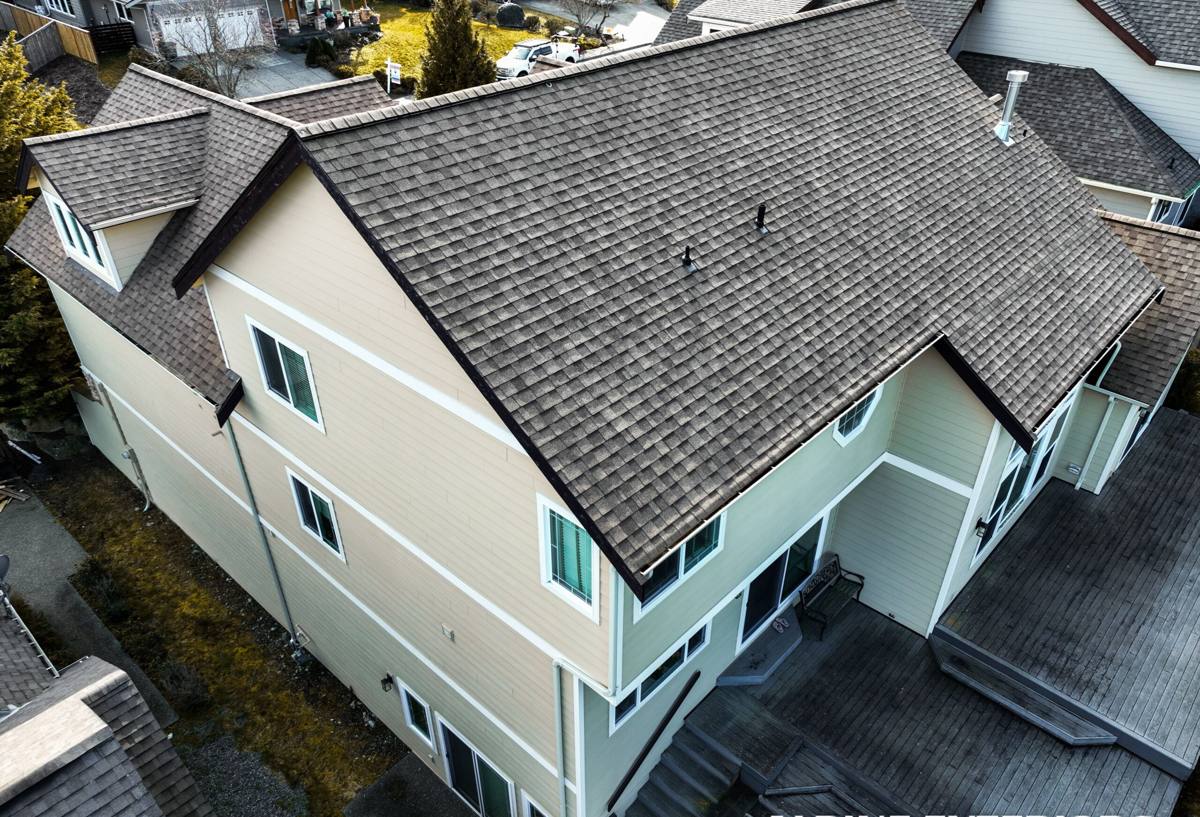
Why Belleair Decks Take a Different Kind of Beating
Coastal Pinellas County weather is hard on any exterior structure, but decks take it worse than most because they're horizontal, exposed on all sides, and built with a mix of materials that expand, contract, and corrode at different rates.
Salt Air and Metal Fasteners
Homes close to the water deal with airborne salt that accelerates corrosion on nails, screws, joist hangers, and bolts. Once fasteners start rusting, they lose holding strength long before the wood around them shows obvious damage. A deck can look solid while the connections underneath are quietly failing.
Year-Round UV Exposure
Florida sun doesn't take a season off. Constant UV breaks down the lignin in wood fibers, which is what causes graying, surface checking, and splintering on boards that don't get regular sealing or staining. Composite and PVC decking resist UV damage better, but they still expand and contract with heat, which can loosen fastener connections over time if the original installation didn't account for movement.
Wind-Driven Rain and Standing Water
Afternoon storms in this area often come in sideways, which means rain gets driven up under railings, into ledger boards, and between deck boards that sit too tight together. Combined with our humidity, wood that can't dry out between rain events starts to rot from the inside, often before it shows on the surface.
Hurricane-Force Wind Loads
Even decks that never take direct storm damage get stressed by repeated high-wind events. Railings rack, structural connections work loose, and ledger attachments can pull slightly away from the house wall. That small amount of movement, repeated over multiple storm seasons, is a common reason older decks develop wobble or soft spots even without one dramatic failure event.
Common Deck Problems We Find in This Area
- Soft or spongy decking boards, usually from trapped moisture and early-stage rot
- Rusted or corroded fasteners, joist hangers, and structural screws
- Loose or wobbly railings and posts
- Ledger board separation or gaps where the deck meets the house
- Cracked, splintering, or badly weathered wood surfaces
- Stairs with uneven treads or loose stringers
- Gaps between boards that have widened or closed unevenly from moisture cycling
- Discoloration or staining that signals ongoing water intrusion
Not every one of these needs a full rebuild. Part of a proper assessment is figuring out what's cosmetic, what's a targeted repair, and what's a sign the underlying structure needs attention before anything else gets fixed.
What a Correct Deck Repair Actually Involves
A repair that only addresses what's visible on top often misses the cause underneath. Our approach starts with the structure, not the surface.
1. Structural Inspection First
Before replacing a single board, we check the ledger connection, joists, beams, and posts. If the frame underneath is compromised, cosmetic repairs on top of it won't hold. This is also where we check fastener condition — in a salt-air environment, hardware that looks fine from a distance can be significantly weakened by corrosion.
2. Isolate the Actual Damage
Rot and moisture damage don't always stay where they started. We probe surrounding boards and framing to find the true extent of the problem rather than replacing only the board that's visibly failing and leaving compromised wood next to it.
3. Replace With Matched or Appropriate Material
Depending on the deck's age and material, that might mean matching existing pressure-treated lumber, or in some cases recommending composite boards in high-exposure areas where wood has repeatedly failed. We'll walk you through the trade-offs honestly — composite costs more upfront but handles moisture and UV differently than wood, and neither material is maintenance-free in this climate.
4. Correct Fastening for Coastal Exposure
Standard fasteners corrode faster here. Where it makes sense, we use corrosion-resistant hardware rated for coastal or treated-lumber contact, since mismatched or under-rated fasteners are one of the most common causes of repeat failures we see on decks that were "already repaired" once before.
5. Address Drainage and Airflow
A repair that doesn't fix how water moves off and around the deck is a repair that will need to happen again. That can mean adjusting board spacing, checking that the ledger flashing is doing its job, or making sure joists have room to dry between rain events.
Repair vs. Replacement: How We Help You Decide
Homeowners often assume a deck with visible damage needs a full teardown. That's sometimes true, but often a well-targeted repair extends the deck's life significantly for a fraction of the cost. The table below covers the general factors that push a decision one way or the other — every deck is different, which is why we assess in person rather than quoting sight unseen.
| Factor | Leans Toward Repair | Leans Toward Replacement |
|---|---|---|
| Structural frame (joists, beams, posts) | Solid, no significant rot or movement | Widespread rot, sagging, or movement under load |
| Ledger connection | Secure, properly flashed | Separated, rotted, or improperly flashed originally |
| Extent of damage | Isolated to a few boards or fasteners | Spread across most of the deck surface or frame |
| Age of the deck | Newer, well-built, isolated wear | Older deck nearing the end of its practical service life |
| Fastener condition | Hardware sound, isolated corrosion | Widespread rust and weakened connections |
| Budget goals | Extend life at lower cost now | Invest once in a longer-term, lower-maintenance structure |
Costs vary a lot depending on scope — a targeted board and railing repair is a very different job from a ledger reconstruction or partial rebuild. We give straightforward, itemized estimates after seeing the deck in person rather than a phone-quote guess.
Our Process for Belleair Deck Repairs
- On-site assessment. We inspect the full structure — not just the damaged area — including framing, ledger, fasteners, and drainage.
- Honest scope and estimate. You get a clear breakdown of what needs repair now, what to watch, and what a full replacement would look like if that's a better long-term value.
- Material selection. We discuss wood versus composite options for the repaired sections based on exposure, budget, and how the deck is used.
- Repair work. Structural fixes first, then decking, railings, and stairs, using fasteners and hardware appropriate for coastal exposure.
- Final walkthrough. We check the repaired areas for level, secure railings, proper drainage, and overall stability before calling the job done.
Why Local Experience Matters for Deck Work
A contractor who works Pinellas County regularly knows which fastener grades hold up near the water, how local humidity affects drying time between repair stages, and which failure patterns show up again and again on decks in this specific climate. That's different from general carpentry experience. We've repaired decks throughout Largo and the surrounding communities, including Belleair, and we bring that pattern recognition to every inspection — knowing where to look first, and what a "small" issue usually means for the structure underneath.
We also stand behind our work with clear communication throughout the job. You'll know what we found, why we're recommending a specific repair approach, and what to expect for maintenance going forward.
Simple Maintenance Checklist Between Repairs
Whether your deck was recently repaired or is holding up well for now, a few habits go a long way in this climate:
- Rinse off salt residue and debris periodically, especially after storms
- Check railings and stair treads for looseness a couple of times a year
- Look underneath the deck occasionally for signs of moisture staining or soft wood
- Reseal or restain wood decking on a regular schedule rather than waiting for visible graying
- Keep gutters and downspouts directing water away from the deck area, not onto it
- After major storms, do a quick visual check of railings, posts, and the ledger connection
Catching small issues early is almost always cheaper and less disruptive than waiting until a board gives way or a railing fails.
Get a Straightforward Deck Assessment
If your Belleair deck has soft spots, loose railings, weathered boards, or you just want a professional opinion on its condition before storm season, we're glad to take a look. We'll give you an honest read on what's structural, what's cosmetic, and what it will actually take to fix it right. Request a free, no-pressure estimate using the form below.