 Largo Window
 Madeira Beach sits about as close to the Gulf as a Pinellas County address gets, and that proximity shapes everything about how windows should be installed when a home is being built from the ground up. New construction is the one point in a project where windows can be done exactly right — the rough openings, the flashing, the structural connections — before drywall, siding, and stucco cover up the work. Get it right here and the home is set up for decades of coastal weather. Get it wrong, and the mistakes get buried behind finished walls until a leak or a failed inspection forces someone to go looking for them.
We install new-construction windows for builders and homeowners working on Madeira Beach and the surrounding Largo area, and we approach it differently than a retrofit or replacement job. New construction gives us access to the full opening, the sheathing, and the wall assembly — which means there's no excuse for cutting corners on flashing, fastening, or structural anchoring. This page covers what that work actually involves and what to expect from a crew that treats it with the attention a barrier-island build deserves.
Why New Construction Is Different From a Retrofit
Replacing a window in an existing wall means working around finished interior and exterior surfaces, often through a "flush fin" or "block frame" approach that seals against what's already there. New construction is the opposite: the wall is open, the sheathing is exposed, and the window gets integrated into the building envelope as it's built — not patched into it afterward.
That matters most in flashing. A new-construction install lets us lap housewrap or building paper over the window's nailing fin correctly, shingle-style, so water sheds down and out rather than behind the window. On a retrofit, that same detail is often impossible to do correctly without removing siding. In Madeira Beach, where wind-driven rain comes at walls sideways during storms rather than falling straight down, that flashing sequence is not optional — it's the difference between a window that stays dry and one that leaks at the first serious blow.
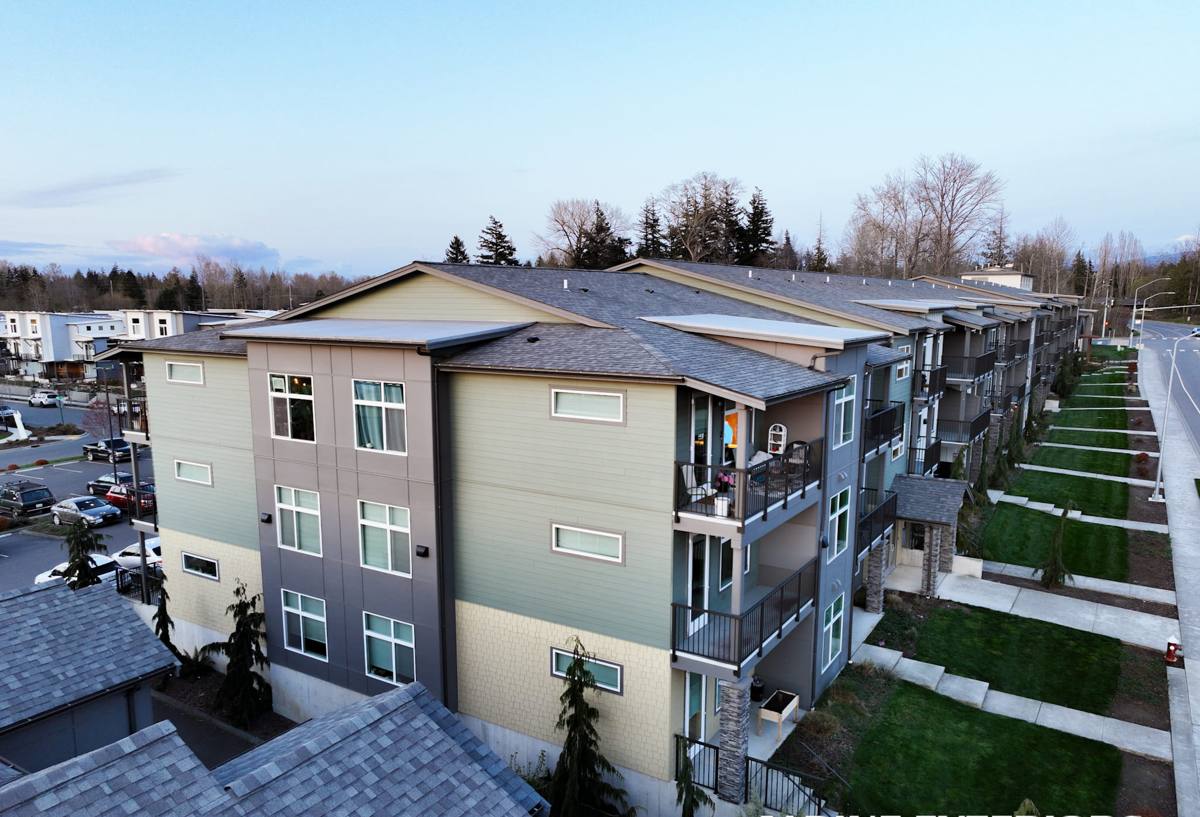
What Pinellas County Coastal Exposure Demands
Homes on and near Madeira Beach deal with a combination of stresses that inland Largo properties see in a milder form:
- Hurricane-force wind loads — new-construction windows here need to be specified and installed to meet Florida Building Code wind-borne debris and pressure requirements for this coastal zone, not just "hurricane-rated" in a general sense.
- Wind-driven rain — storms push water horizontally and even upward against a wall, which is why sill pan flashing and proper fin sealing matter more here than in calmer climates.
- Constant UV exposure — year-round Florida sun degrades cheap vinyl, weakens seals, and fades interior finishes faster than in northern climates.
- Salt air corrosion — proximity to the Gulf accelerates corrosion on hardware, fasteners, and frame components that aren't rated for coastal use.
None of these are unique to Madeira Beach, but the combination — especially the salt air on top of hurricane exposure — is more concentrated this close to the water than it is even a few miles inland in Largo.
Getting the Rough Opening Right
Sizing and Squareness
Every new-construction window install starts with the rough opening. It has to be sized correctly for the specific window unit, square, plumb, and level before the window ever goes in. An opening that's out of square forces the installer to compensate with excess shim or sealant, which creates weak points that show up later as air leaks, water intrusion, or windows that won't operate smoothly.
Structural Framing
In wind zones like this one, the framing around the opening — headers, jack studs, and king studs — needs to be sized and fastened to handle both the window's weight and the pressure loads a storm puts on that section of wall. This is coordinated with the builder's framing plan, not an afterthought once walls are already up.
Flashing and Water Management Sequence
The order of operations matters as much as the materials. A correct sequence generally looks like this:
- Install a sloped sill pan flashing so any water that gets past the window drains back outward, not into the wall cavity.
- Set the window plumb, level, and square in the opening, fastened per the manufacturer's installation instructions.
- Seal and flash the nailing fin at the jambs and head, lapping housewrap over the top fin last so the whole assembly sheds water downward.
- Apply backer rod and sealant at the interior and exterior trim lines as specified for the wall assembly.
Skipping the sill pan or flashing out of order is one of the most common causes of hidden water damage in new construction — and one of the hardest problems to trace once the wall is closed up.
Choosing the Right Window for a Gulf-Front Build
| Factor | Why It Matters Near Madeira Beach |
|---|---|
| Impact rating | Impact-rated glass and frames handle wind-borne debris without relying solely on separate shutters, and may be required depending on the wind zone and code path chosen for the build. |
| Frame material | Vinyl and fiberglass frames with UV-stabilized formulations hold up better under constant Florida sun than lower-grade vinyl that chalks and warps over time. |
| Hardware finish | Coastal-rated hinges, locks, and fasteners resist salt-air corrosion; standard hardware can pit and seize within a few years this close to the Gulf. |
| Glass package | Low-E coatings reduce solar heat gain, which matters for cooling costs given how much direct sun a barrier-island home gets year-round. |
| Design pressure rating | The window's DP rating needs to match the specific wind exposure and height of the home, which can vary block to block this close to open water. |
Our Process on a New-Construction Job
Working With the Builder's Timeline
New-construction windows are installed at a specific point in the build sequence — after the structure is framed and dried in, but before insulation, drywall, and exterior finishes go on. We coordinate directly with the builder or general contractor to hit that window without holding up the rest of the schedule.
Verification Before Cover-Up
Because flashing and structural connections get covered by siding and drywall, we verify each opening before moving to the next: correct pan flashing, proper fin sealing, square and plumb installation, and fastening per the manufacturer's schedule. This is the point where mistakes are cheap to fix — after cover-up, they aren't.
Code Compliance
Pinellas County and the City of Madeira Beach follow the Florida Building Code, which sets wind load and impact requirements based on location and exposure category. We install to the specification called for on the approved plans and permit, and we don't substitute a lower-rated product to save cost on a coastal build.
Common Mistakes We See on Coastal New Construction
- Skipping or improperly lapping sill pan flashing, leaving no path for incidental water to drain back out
- Using standard hardware and fasteners instead of corrosion-resistant components in a salt-air environment
- Installing a window rated for a lower wind zone than the actual exposure the home will see
- Rushing the fastening schedule instead of following the manufacturer's specified pattern and spacing
- Failing to coordinate flashing details with the housewrap or weather-resistive barrier installer, creating gaps at the transition
Most of these mistakes aren't visible at final walkthrough. They surface years later as leaks, stains, or hardware failure — usually after the first serious storm finds the weak point.
Why Local Experience on Madeira Beach Matters
A crew that regularly works this stretch of Pinellas County understands the specific combination of wind exposure, salt air, and storm patterns that Madeira Beach sees, rather than applying a generic coastal Florida approach. That local familiarity shows up in small decisions — which flashing tape holds up in this humidity, which hardware finishes actually last near the Gulf, how local building officials expect inspections documented — that add up to a better outcome than a crew that's only occasionally out this way.
We handle new-construction window installs for builders and homeowners throughout Largo and the surrounding beach communities, and we bring the same flashing sequence, code compliance, and material standards to every opening, whether it's one window or a full house.
If you're planning a new build or major addition in Madeira Beach and want windows installed correctly the first time, we're happy to walk the plans with you and provide a free, no-pressure estimate — just fill out the form below.