 Largo Window
 Custom Windows in Indian Shores: Built for a Barrier Island, Not a Standard Lot
Indian Shores sits out on the Gulf beaches of Pinellas County, and homes here don't face the same conditions as houses a few miles inland in Largo or Clearwater. Direct Gulf exposure means stronger sustained wind loads, more relentless UV, salt-laden air moving through window hardware and seals year-round, and rain that gets driven sideways into any gap a window wasn't built to resist. On top of that, a lot of the housing stock out here — older beach cottages, mid-century condos, additions and renovations done in stages over the decades — has window openings that don't match anything you'll find in a standard size chart. That combination is exactly why "custom windows" isn't a sales term on a barrier island; it's usually the only honest way to do the job right.
Largo Window Company builds, sizes, and installs custom windows for homes throughout Largo and the surrounding Pinellas County beach communities, including Indian Shores. When a window has to be built to an exact opening, meet Florida's wind-borne debris requirements, and hold up to salt air and direct Gulf sun for decades, there's no shortcut version of getting it right. This page covers what that actually involves for a home in this specific location.
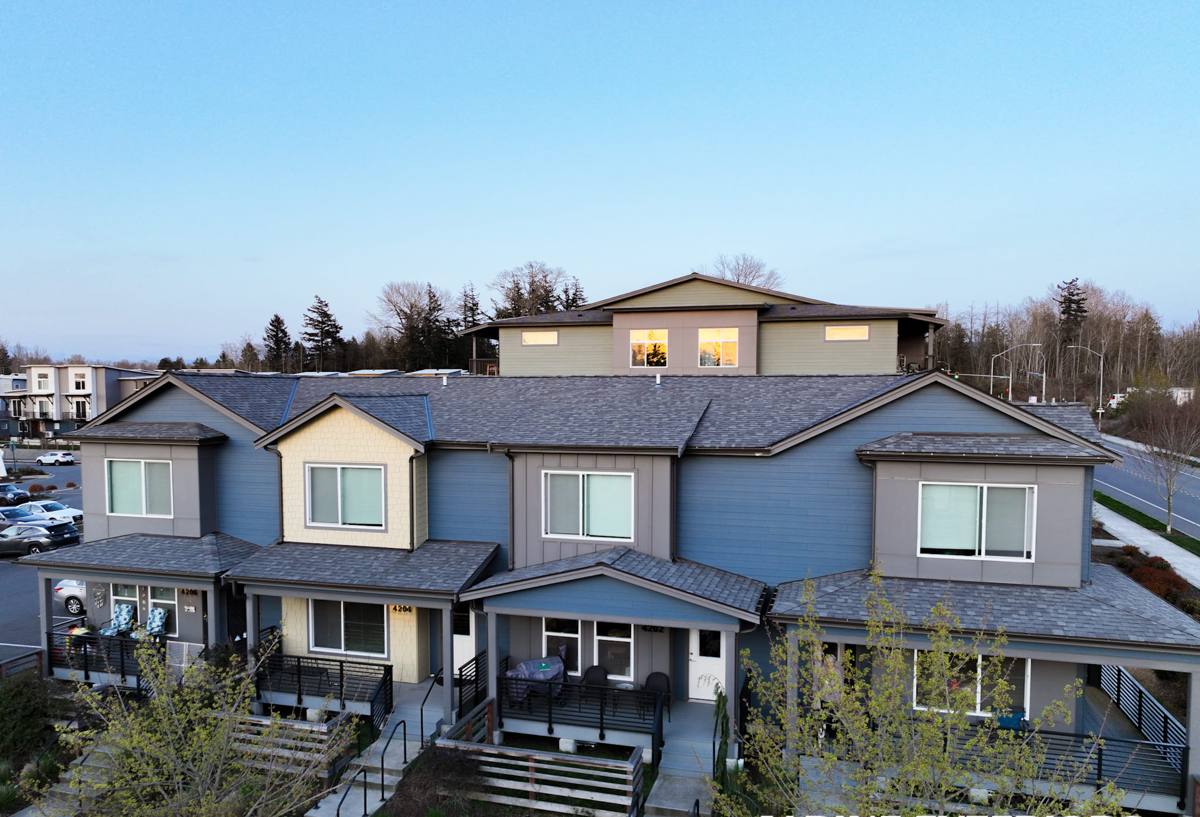
What Gulf-Front Exposure Does to Windows Here
Hurricane-Force Wind Loads
Indian Shores sits within Florida's wind-borne debris region, and homes this close to open Gulf water see design wind loads well above what an inland Pinellas County property would need to withstand. Windows here have to be engineered — not just installed — to resist both direct wind pressure and the impact of debris carried by that wind during a storm. A window that's rated for a calmer inland exposure is the wrong product for a Gulf-front lot, regardless of how it looks or what it costs.
Intense, Year-Round UV
Unobstructed sun off the Gulf is stronger and more constant than what most inland homes deal with, and it's relentless on window components. UV breaks down inferior vinyl and low-grade seals over time, causing discoloration, brittleness, and premature seal failure well before a window's expected lifespan is up. Low-E coatings and quality frame materials matter more here than in a shaded, tree-covered neighborhood a few miles east.
Salt Air and Hardware Corrosion
Salt-laden air off the Gulf accelerates corrosion on hinges, locks, screen frames, and lower-grade fasteners faster than almost any other factor we deal with on this coastline. Hardware that would last decades in a drier, inland climate can start pitting or sticking within a few years out here if it wasn't specified for a marine environment in the first place.
Wind-Driven Rain
Storms and even routine squalls off the Gulf push rain sideways into window frames, not straight down. That sideways load tests flashing, sill pans, and seal quality far more than it tests the glass itself. Most water intrusion problems we find around windows in beach communities trace back to an installation or flashing detail, not a defective window.
What "Custom" Actually Means for a Home Like This
Custom windows get talked about like they're a luxury upgrade, but on a barrier island they're often just what the house requires. A few reasons custom sizing and design come up constantly in Indian Shores:
- Older beach homes and mid-century construction frequently have openings that don't match modern standard sizes, so an off-the-shelf window either won't fit or requires reframing the opening — an added cost and disruption a properly measured custom unit avoids
- Additions and remodels built in phases over the years often left mismatched window styles or sightlines that a homeowner wants unified without tearing out more of the wall than necessary
- Gulf and water views are usually the whole reason someone owns property out here, so window placement, mullion pattern, and glass selection get chosen to maximize sightlines rather than defaulting to whatever's cheapest to stock
- Impact-rated glass and frames add thickness and weight compared to standard residential windows, which changes the structural details around the opening and often calls for a purpose-built unit rather than a generic replacement
- Architectural features specific to older Florida beach construction — arched openings, unusual bay configurations, transom windows — usually can't be filled with a stock-size product at all
In practice, that means every project starts with an accurate measurement of the actual opening and a conversation about what the homeowner wants out of the window — light, view, ventilation, matching the rest of the house — before any product gets ordered.
Frame and Glass Options: What Actually Holds Up on This Coastline
There's no single right answer for every home, and budget and how long you plan to own the property both factor into the decision. What matters is understanding the real trade-offs for direct Gulf exposure before you commit to a product.
| Frame Material | Salt Air & UV Behavior | Typical Maintenance | Realistic Lifespan Here |
|---|---|---|---|
| Impact-rated vinyl | Won't corrode; quality matters for UV resistance over decades of Gulf sun | Low; occasional track and weep-hole cleaning | 20-30 years |
| Fiberglass | Dimensionally stable, strong resistance to salt corrosion and UV degradation | Low | 30-40+ years |
| Aluminum, marine-grade finish | Strong under wind load but needs a proper finish to resist salt corrosion long-term | Moderate | 25-35 years with a quality finish |
| Wood, clad or painted | Attractive but the most vulnerable of these options to salt-driven moisture and sun without diligent upkeep | Higher; regular finish maintenance | 15-25 years depending on upkeep |
Glass selection matters just as much as the frame. Impact-rated laminated glass is the standard for Gulf-front exposure in this part of Pinellas County — it's built to stay intact under wind-borne debris impact rather than shatter outward. Low-E coatings cut down on how much heat and UV pass through, which makes a real difference in both comfort and cooling costs on a home that gets full, unobstructed Gulf sun most of the year.
Florida Building Code and Wind-Borne Debris Requirements
Indian Shores falls within Florida's wind-borne debris region, which means window and door products installed here need current Florida Product Approval or Miami-Dade County Notice of Acceptance documentation showing they meet the wind load and impact requirements for this location. This isn't paperwork for its own sake — it's the actual engineering basis for whether a window will stay intact and in the opening during a real storm. We only install products with documentation that matches the specific wind zone and exposure category for your address, and we can walk you through exactly what that documentation covers before you sign off on anything.
A common question is whether impact-rated glass or Miami-Dade-rated shutters and panels are the better path to meeting code. Impact windows stay in place permanently and don't require action before a storm; shutters and panels cost less upfront but need to be deployed every time, which becomes a real factor if a storm arrives while you're away from the property, as often happens with second homes and vacation rentals in this area. We'll explain the honest trade-offs for your specific situation rather than pushing whichever option is easier to sell.
Our Process for a Custom Window Project
- On-site measurement of each opening as it actually exists, not an assumed standard size
- A walkthrough of glass, frame, and configuration options based on your budget, the home's exposure, and what you want out of light, view, and ventilation
- Confirmation of current Florida Product Approval or Miami-Dade NOA documentation matching your home's wind zone before anything is ordered
- Removal of the old window with an inspection of the surrounding framing and sill for existing moisture damage
- Correctly pitched sill pan and integrated head and jamb flashing, not caulk used as a substitute for proper flashing
- Corrosion-resistant fasteners and hardware specified for sustained salt exposure
- Final inspection and a walkthrough with you before we consider the job finished
None of these steps meaningfully add to the cost of a project relative to the window itself, but skipping any of them is exactly what turns a well-made window into a leak or a corrosion problem within a few years on a property this exposed.
Signs an Indian Shores Home Needs Window Attention
- Visible fogging or condensation trapped between panes, which usually means a failed seal on an insulated glass unit
- Hardware that's stiff, pitted, or difficult to operate — a common early sign of salt corrosion
- Drafts, whistling, or a noticeable temperature difference near a closed window
- Discoloration, chalking, or brittleness in the frame material from sustained UV exposure
- Water staining on interior walls or ceilings near a window after wind-driven rain
- Uncertainty about whether your current windows actually meet wind-borne debris requirements for this address
Any one of these is worth a professional look. On a Gulf-front property, we'd rather catch a seal or hardware issue early than have a homeowner find out during storm season that a window isn't performing the way it should.
Why a Local Crew That Already Works Indian Shores Matters
A contractor who installs windows across Pinellas County's beach communities sees, year after year, how salt air, direct Gulf sun, and wind-driven rain actually behave on real homes — not just how a product performs on a spec sheet. That experience shows up in practical decisions on your job: how a given exposure and orientation changes hardware and finish choices, which flashing details are worth the extra time because of how this coastline's storms actually load a wall, and how to document code compliance correctly the first time instead of running into a permitting issue later. It also means understanding that a Gulf-front home in Indian Shores and an inland property in Largo aren't the same project, even if the window sizes on an order sheet look similar.
Beyond Windows: The Rest of the Exterior
Windows are a major part of how a Gulf-front home performs, but they're one piece of a larger exterior system that has to work together against this same coastal climate. If a window project uncovers moisture damage in surrounding framing, siding, or trim, or a question about how window openings interact with the rest of the wall assembly, we can address that as part of the same conversation rather than leaving you to track down a separate contractor mid-project.
If your Indian Shores home has windows that are aging, underperforming, or you're not confident they meet current wind-borne debris requirements, we're glad to take a look and give you a straightforward read on what it actually needs. Reach out using the form below to schedule a free, no-pressure estimate.