 Largo Window
 Metal Roofing in Belleair: Built for This Peninsula
Belleair sits on a narrow strip of land between the Gulf of Mexico and Old Tampa Bay, which means almost every home here deals with salt-laden air, open exposure to Gulf winds, and long stretches of direct summer sun. That combination is hard on any roof, but it's especially hard on the wrong roof. A growing number of Belleair homeowners are switching to metal roofing not because it's trendy, but because it's one of the few roofing systems that genuinely holds up to what this part of Pinellas County throws at it year after year.
This page is specifically about metal roofing for Belleair properties — what the local climate demands, what a correct installation actually involves, and why the crew matters as much as the material.
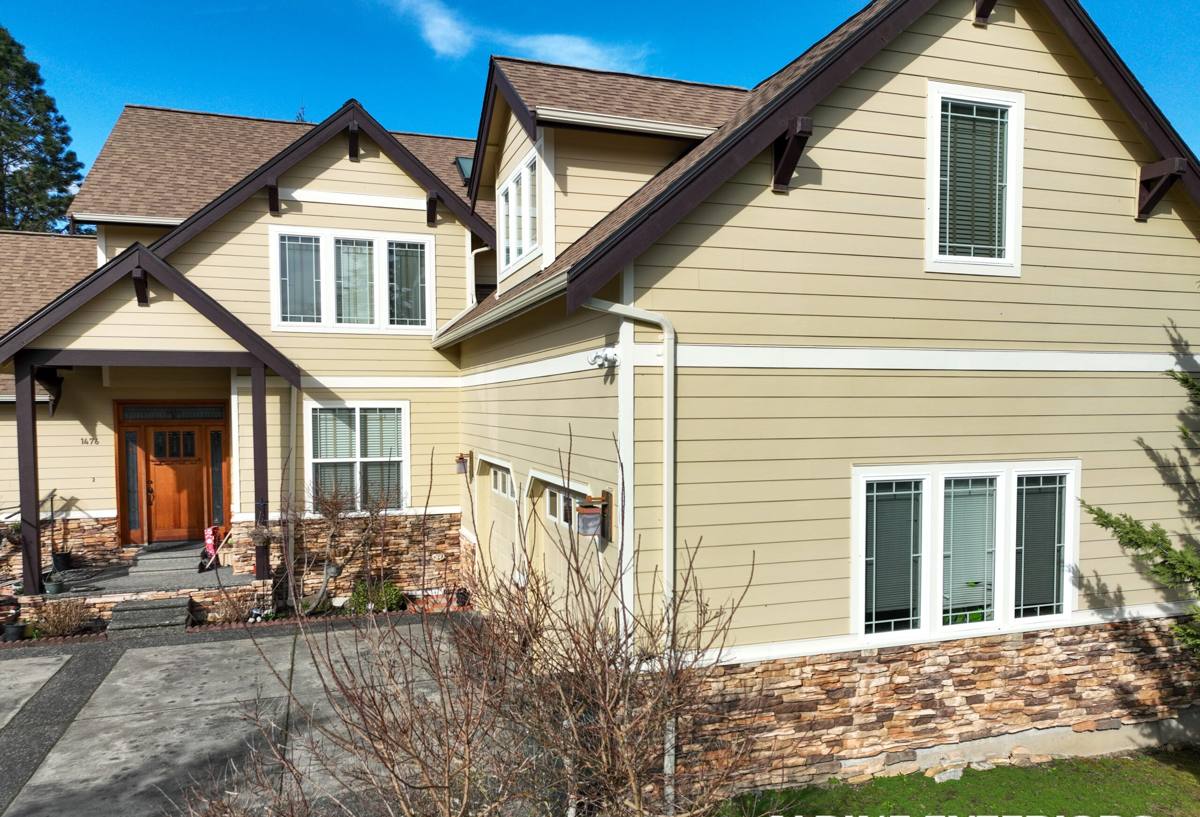
What Belleair's Climate Actually Does to a Roof
Homeowners moving to the area from inland states are often surprised by how quickly a roof can show wear here. A few things are working against your roof at once:
- Hurricane-force wind exposure — Belleair's coastal position means uplift forces on a roof edge and ridge are higher than they are just a few miles inland, and wind-driven rain gets pushed sideways under loose or aging roofing materials.
- Intense, near year-round UV — constant sun exposure breaks down asphalt shingle granules and dries out sealants faster than in most of the country.
- Salt air corrosion — airborne salt accelerates rust on unprotected metal fasteners, flashing, and hardware, which is why fastener and coating choice matters more here than it would 50 miles inland.
- Afternoon thunderstorms and wind-driven rain — heavy, sideways rain finds every weak seam, nail pop, or gap in flashing.
A metal roof, installed correctly with the right fasteners and coatings, is designed to shrug off all four of these stresses at once. That's the appeal — but "installed correctly" is doing a lot of work in that sentence, which is why the details below matter.
Why Metal Roofing Makes Sense for Belleair Homes
Metal roofing isn't the right fit for every budget or every home style, and we'll tell you that honestly during an estimate. But for Belleair's exposure, it solves several problems at once:
Wind performance
A properly installed metal roofing system — with the correct panel-to-deck fastening pattern and edge detailing — is rated to handle sustained high winds far better than standard three-tab shingles, and it holds up to wind-driven rain better because there are fewer individual pieces for water to find its way under.
UV and heat
Metal reflects a significant amount of solar heat rather than absorbing it the way dark asphalt shingles do, which can ease the load on your attic and air conditioning during Pinellas County's long, hot stretch of the year. Factory-applied finishes are also formulated to resist UV fading better than shingle granules.
Longevity against salt air
Not all metal roofing resists salt air equally — this is a real trade-off, not a marketing point, and we'll walk through it honestly for your specific home. Coated steel and aluminum systems with the right finish and stainless or coated fasteners are built to handle a coastal environment; bare or poorly coated metal, or the wrong fastener type, will corrode faster near the water. Material and fastener selection is one of the first things we get right on a Belleair job.
Metal Roofing Systems We Install
Standing seam metal
Concealed fasteners, raised interlocking seams, and a clean, low-profile look. This is generally our top recommendation for direct coastal exposure because there are no exposed screw heads for wind-driven rain or salt air to work on over time.
Stone-coated steel
Steel panels formed to resemble tile or shingle profiles, coated with a protective stone granule finish. This is a good option for homeowners who want the strength and wind performance of steel but a more traditional roofline appearance.
Exposed-fastener metal panels
A more budget-conscious metal option, common on garages, workshops, and some porch or addition roofs. It performs well but requires more diligent maintenance of the fastener washers over time in a salt-air environment, which we'll explain plainly if this option fits your project.
What a Correct Metal Roof Installation Involves
Metal roofing fails prematurely almost exclusively because of installation shortcuts, not because the material itself wore out. On every Belleair metal roof we install, the following are non-negotiable:
- Deck inspection and repair — any soft, rotted, or delaminated decking gets replaced before a single panel goes down. Metal over a bad deck just hides a problem.
- High-temp synthetic or self-adhering underlayment — a second line of defense against wind-driven rain that finds its way past the panel seams.
- Correct fastener spacing and type — matched to the panel manufacturer's wind-uplift specifications and coated or stainless to resist salt-air corrosion.
- Proper flashing at every penetration — vents, chimneys, skylights, and wall transitions are where most roof leaks actually start, metal or not.
- Ridge and eave detailing — these edges take the highest wind-uplift load on the whole roof and need panel closures and fastening patterns that match that exposure.
- Attic ventilation check — metal roofs perform best with balanced intake and exhaust ventilation; we check this rather than assuming the existing setup is adequate.
Metal Roofing vs. Other Common Options in Belleair
| Factor | Standing Seam Metal | Stone-Coated Steel | Asphalt Shingle |
|---|---|---|---|
| Wind performance | Excellent | Very good | Good, depends on install quality |
| Salt air resistance | Very good (with proper coating) | Good | Fair — granules degrade faster near the coast |
| Heat reflectivity | High | Moderate-high | Low-moderate |
| Typical lifespan | 40+ years | 30-50 years | 15-20 years in this climate |
| Upfront cost | Higher | Moderate-higher | Lower |
| Maintenance needs | Low | Low-moderate | Moderate |
None of these is universally "best" — it depends on your budget, how long you plan to own the home, and the look you want. We'll go over these trade-offs honestly rather than push the highest-margin option.
What Drives Metal Roofing Cost Factors
| Factor | Why It Matters |
|---|---|
| Roof pitch and complexity | More valleys, hips, and dormers mean more flashing work and cut panels |
| Panel type and gauge | Heavier-gauge steel or aluminum costs more but resists denting and corrosion longer |
| Existing deck condition | Rotted or undersized decking adds repair cost before panels can go down |
| Fastener and coating quality | Marine-grade coatings and stainless fasteners cost more upfront but matter most near the Gulf |
| Tear-off scope | Removing multiple layers of old roofing adds labor and disposal cost |
We give you a specific, itemized number for your roof after a physical inspection — not a rough guess based on square footage alone.
Our Process on a Belleair Metal Roofing Job
- On-site inspection — we walk the roof, check the deck, attic ventilation, and existing flashing conditions, and take real measurements.
- Written estimate — a clear breakdown of material, labor, and any deck repair, with the specific panel type and fastener spec called out.
- Permitting — pulled through the appropriate local building department before any work starts.
- Tear-off and deck prep — old roofing removed, deck repaired where needed, debris hauled off daily.
- Underlayment and flashing — installed to spec before a single panel goes on.
- Panel installation — fastened and seamed to the manufacturer's wind-uplift rating for coastal Pinellas County exposure.
- Final walkthrough — we inspect the completed roof with you and go over any manufacturer warranty paperwork.
Maintenance Checklist for a Belleair Metal Roof
Metal roofing needs far less upkeep than shingles, but "low maintenance" isn't "no maintenance" in a coastal environment. A quick seasonal check should include:
- Rinsing off salt residue and debris after storms, especially in areas with less rain to naturally wash the roof
- Checking exposed fasteners (if your panel type has them) for early rust or a loose washer
- Clearing gutters and downspouts so water isn't sitting against roof edges or fascia
- Looking at flashing around vents, chimneys, and skylights after major wind events
- Scheduling a professional check-up after any named storm that brought sustained high winds
Why Hire a Crew That Already Works in Belleair
Metal roofing done right is unforgiving of shortcuts, and metal roofing done wrong in a wind- and salt-exposed area fails faster than people expect. A crew that regularly works Belleair and the surrounding Largo area already knows the wind-uplift expectations for this exposure, understands which fastener and coating choices actually hold up near the water, and isn't learning coastal detailing for the first time on your roof. That local familiarity — not just general roofing experience — is what separates a metal roof that lasts decades from one that needs early repairs.
If you're weighing metal roofing for a Belleair home, we're happy to take a look and give you a straight answer on whether it's the right fit — no pressure, no hard sell. Request a free estimate through the form below and we'll schedule a time to walk the roof with you.