 Largo Window
 Roof Repair Built for Belleair's Climate, Not a Generic Fix
Belleair sits close enough to the Gulf that its homes take on a different set of roofing problems than you'd see further inland. Between hurricane-force wind events, near-constant UV exposure, wind-driven rain that finds its way under flashing and shingle edges, and the slow corrosive drip of salt air, roofs here age faster and fail in more specific ways than the national average would suggest. A roof repair done without accounting for that combination tends to come back — sometimes within a single storm season.
This page covers what roof repair actually means for a Belleair home: the damage patterns we see most, what a correct repair involves versus a quick patch, how our process works from first call to final walkthrough, and why working with a crew that's already familiar with this specific stretch of Pinellas County matters more than it might seem.
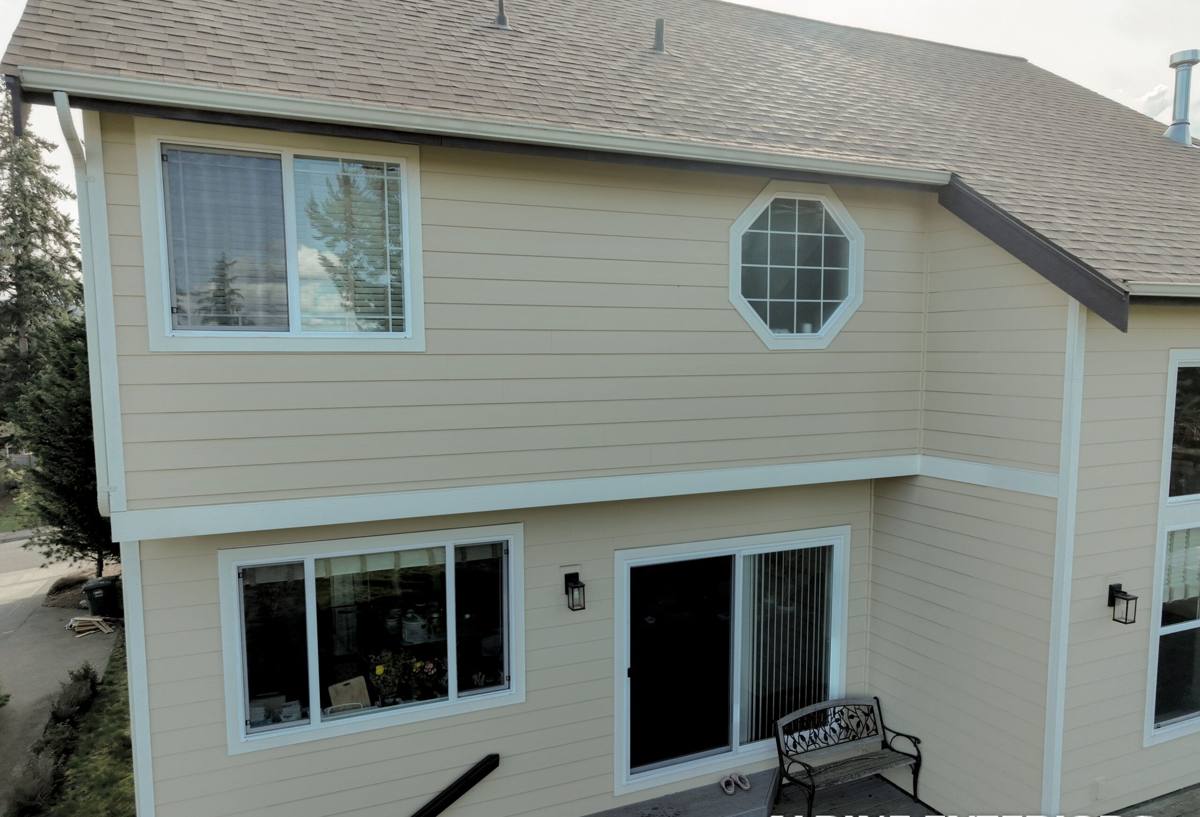
Why Belleair Roofs Take Extra Punishment
Wind
Belleair's proximity to open water means roofs regularly see sustained wind loads and gusts well above what inland Florida communities experience, especially during tropical storm and hurricane season. Wind doesn't just tear off loose shingles — it works underneath edges and ridges, lifting fasteners and stressing seams that look fine from the ground but are no longer sealed.
UV exposure
Florida's sun runs nearly year-round at high intensity. Asphalt shingle mats, sealant strips, and rubber boots around vent pipes all dry out and become brittle faster here than in most of the country. Once a sealant strip loses its flexibility, it stops doing its job even if the shingle itself still looks intact.
Wind-driven rain
A straight-down rain rarely causes a leak on a roof in decent shape. Wind-driven rain is different — it gets pushed sideways and upward under shingle tabs, around flashing laps, and through any gap that a calm-weather inspection would miss. This is the single biggest cause of "mystery leaks" that show up during or right after a storm.
Salt air
Coastal salt air accelerates corrosion on any exposed metal — flashing, fasteners, vent caps, and drip edge. Corroded metal loses its ability to shed water cleanly, which is often the real root cause behind a leak that homeowners assume is a shingle problem.
The Roof Repair Issues We See Most Often in Belleair
- Lifted or missing shingles along ridges, hips, and roof edges — the first places wind gets a grip
- Failed flashing around chimneys, skylights, and wall-to-roof transitions, often from corrosion or sealant breakdown rather than a visible tear
- Cracked or brittle pipe boots where plumbing vents penetrate the roof — a very common source of slow, hard-to-trace leaks
- Nail pops and fastener backout from repeated wind flex over multiple storm seasons
- Granule loss on aging shingles from UV breakdown, which accelerates once it starts
- Valley wear where water volume concentrates during heavy rain and any weak point gets tested hardest
What a Correct Roof Repair Actually Involves
Not every roof repair is created equal, and the difference usually isn't visible once the job is finished — it shows up eighteen months later when a "fixed" leak comes back. A correct repair starts with finding the actual source of the problem, not just the spot where water is showing up inside the house. Water travels along the underlayment and framing before it drips through drywall, so the visible stain and the actual entry point can be several feet apart.
A proper repair also means matching materials appropriately — using compatible flashing metal, the right underlayment for the exposure, and shingles that seal correctly with what's already on the roof rather than just what's on hand. And it means checking the surrounding area, not just the failure point, since Belleair's wind and UV exposure rarely damage just one spot in isolation.
Signs a Repair Needs More Than a Quick Patch
- Soft or spongy decking underfoot in the affected area
- Staining that spans a wide area rather than a single point
- Repeated leaks in the same general location after a prior patch
- Visible daylight through the decking from the attic
- Multiple areas of granule loss or shingle lifting across the roof, not just one section
Our Roof Repair Process
1. Inspection and Diagnosis
We start by getting on the roof, not just looking at it from the ground. We check the reported problem area first, then trace upslope to find where water is actually entering, and look over flashing, penetrations, and fastener condition nearby since coastal wear rarely stays confined to one spot.
2. Straight Explanation and Options
Before any work starts, we explain what we found, what's causing it, and what the repair involves — including whether a targeted repair is the right call or whether the roof's overall condition means a repair would just be a short-term fix. We'd rather tell a homeowner that upfront than sell a patch we know won't hold.
3. The Repair Itself
Depending on the issue, this might mean replacing a section of shingles and underlayment, re-flashing a chimney or wall transition, resealing and replacing pipe boots, or securing and resealing lifted ridge and edge shingles. We match materials to what's already on the roof where possible and use flashing and fasteners suited to coastal exposure.
4. Cleanup and Walkthrough
We clear debris and old material from the property, and we walk the completed repair with the homeowner so you can see exactly what was done and why.
Repair or Replace? How We Help You Decide
Not every roof problem calls for a full replacement, and not every leak can be solved with a patch. The honest answer depends on the roof's age, how widespread the damage is, and how many prior repairs it's already had.
| Factor | Favors Repair | Favors Replacement |
|---|---|---|
| Roof age | Under roughly 12–15 years for asphalt shingle | Near or past typical service life for the material |
| Extent of damage | Localized to one section or feature | Spread across multiple areas of the roof |
| Repair history | First or second repair in this area | Same area has needed repeated patching |
| Decking condition | Solid, no soft spots | Soft, stained, or visibly compromised decking |
| Granule loss / shingle brittleness | Isolated to the damaged section | Widespread across most of the roof surface |
When a repair is the right call, we do the repair. We don't push replacements on roofs that don't need one — but we'll also tell you plainly if a patch is only buying time so you can plan accordingly rather than get surprised later.
What Roof Repair Typically Costs
Pricing depends on scope, material, and access, so we won't quote a number without seeing the roof — but as a general guide, a contained repair such as a section of flashing, a pipe boot, or a small run of shingles often falls in the low hundreds to around a thousand dollars. Larger repairs involving multiple areas, decking replacement, or extensive flashing work can run into the low thousands. Storm-related damage may be covered under a homeowner's insurance policy depending on the cause and your coverage — we can document the damage clearly to support a claim, though we're not the ones who determine coverage.
| Cost Factor | Why It Matters |
|---|---|
| Size of damaged area | More square footage means more material and labor |
| Decking condition underneath | Rotted or soft decking adds replacement cost beyond the surface repair |
| Roof pitch and access | Steeper or harder-to-access roofs take longer and require more safety setup |
| Material match | Matching existing shingle color/profile or specialty flashing can affect sourcing time |
| Number of penetrations involved | Chimneys, skylights, and multiple vents each add flashing and sealant work |
Roof Types We Repair Around Belleair and Largo
Homes in this part of Pinellas County are covered in a mix of roofing materials, and repair technique changes depending on what's up there.
Asphalt shingle
The most common roofing material in the area. Repairs typically involve replacing damaged shingles, resealing tabs, and addressing flashing and penetrations — the areas most affected by wind and UV.
Tile
Tile itself is durable, but the underlayment beneath it is what actually keeps water out, and that layer degrades with age and heat regardless of how good the tile looks. Tile repairs often mean carefully removing and resetting tiles to reach and repair the underlayment or flashing below.
Metal
Metal roofing handles wind well when properly fastened, but seams, fasteners, and flashing details are where problems show up. Repairs focus on fastener condition, sealant at seams and penetrations, and corrosion at cut edges.
Why a Crew That Already Works Belleair Matters
Roof repair isn't just a materials problem — it's a familiarity problem. A crew that regularly works this area already knows which roofing styles and materials are common on Belleair homes, understands the wind and rain exposure specific to being this close to the coast, and has a realistic sense of how fast weather can turn during storm season, which affects how repairs get scheduled and sequenced.
Local familiarity also matters for the paperwork side of things. If a repair is storm-related, documentation that clearly shows cause and extent of damage makes a real difference in how smoothly an insurance claim goes. A crew that's done this before in Pinellas County knows what that documentation needs to look like.
And practically speaking, being local means a faster response. After a wind event, roofs across the area often need attention at the same time — a crew already working nearby can typically get to a leak faster than one dispatching from farther away, which matters when water is actively getting into a house.
Protecting a Roof Repair After It's Done
A repair holds up longer with a little basic upkeep, especially in this climate:
- Keep gutters and valleys clear of debris so water doesn't pool or back up against repaired areas
- Trim back overhanging branches that can abrade shingles or drop debris during wind events
- After any major storm, do a visual check from the ground for obviously lifted or missing shingles
- Have the roof looked at periodically rather than only after a leak appears — catching a failed seal early is a lot cheaper than catching it after it's caused interior damage
- Address small issues promptly; in this climate, a small gap doesn't stay small for long
Get a Free Roof Repair Estimate
If you're dealing with a leak, storm damage, or a roof that's just showing its age, we're happy to take a look and give you a straight assessment — no pressure, no upsell. Fill out the form below and we'll get in touch to schedule a time to inspect your Belleair roof and walk you through what it actually needs.