 Largo Window
 Board & Batten Siding Built for Indian Rocks Beach
Indian Rocks Beach sits right on the Gulf, which means every home here takes a harder hit from the weather than a house even a few miles inland. Salt-laden air, near-constant UV exposure, wind-driven rain, and the occasional hurricane-force gust all work on exterior materials year-round, not just during storm season. Board and batten siding — with its bold vertical lines and deep shadow reveals — is one of the most requested looks for coastal and barrier-island homes in this area, but the look only holds up if the material underneath it is chosen and installed correctly for this specific environment.
We install James Hardie fiber cement board and batten exclusively. This page covers what that means for a home in Indian Rocks Beach specifically: what the climate demands, what a correct installation actually involves, and how our process works from first visit to final walkthrough.
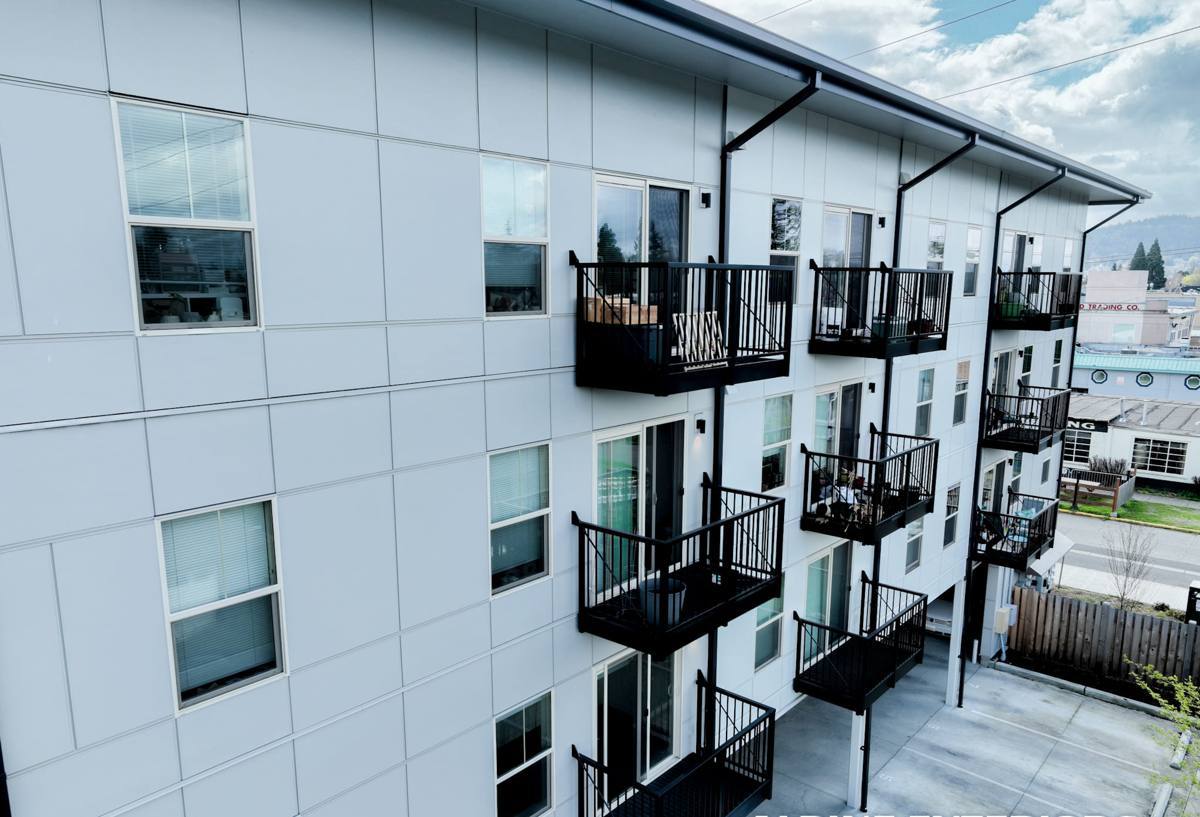
Why Board & Batten Fits Coastal Pinellas County Homes
Board and batten has become a signature look for beach and near-beach construction — it reads as clean, modern, and coastal without looking generic. Wide vertical boards with narrow battens covering the seams create strong shadow lines that hold up visually in the intense Florida sun, and the style pairs well with the elevated, simplified rooflines common on homes near Indian Rocks Beach's canals and Gulf-front lots.
But the same qualities that make it look sharp — flat panel faces, exposed vertical seams, battens standing proud of the wall plane — also make material choice and installation detail more important than they are with a lapped siding profile. Every seam and every batten edge is a place where wind-driven rain can find a way in in if the assembly wasn't detailed to handle it.
What Local Homes Are Up Against
- Salt air corrosion: Airborne salt from the Gulf accelerates the breakdown of fasteners, trim, and lesser siding materials — it's a constant, low-level exposure that inland homes don't deal with.
- UV load: Florida sun is intense nearly all year. Paint finishes on wood-based or improperly finished siding chalk, fade, and crack faster here than almost anywhere else in the country.
- Wind-driven rain: Storms off the Gulf don't just drop rain, they push it sideways into wall assemblies, seams, and trim joints.
- Hurricane-force wind events: Siding and its fastening pattern need to hold under sustained high wind and gusts, not just look good on a calm day.
- Humidity and moisture cycling: Constant humidity means anything that traps moisture behind it — poor flashing, wrong gap details — stays wet longer and fails faster.
Why We Only Install James Hardie for This Application
Board and batten in particular is a style where the material matters more than usual. We don't install vinyl board and batten, LP SmartSide, primed spruce or cedar board and batten, or other fiber cement brands for homes in this area, and it's worth explaining why in the context of this specific style and this specific climate.
The Trade-Offs We Won't Build Around
- Wood-based battens and boards (cedar, primed spruce, engineered wood) absorb moisture at cut ends and seams. In a wind-driven-rain environment, that means more frequent repainting, more caulk maintenance, and a real risk of rot at the batten edges over time.
- Vinyl board and batten is lightweight and low-maintenance in mild climates, but it isn't rated for the sustained wind loads a Gulf-facing home in Indian Rocks Beach can see, and it visibly expands, contracts, and can warp or bow in the intense heat and UV common here.
- Some fiber cement competitors make a reasonable product, but we've standardized our crews, our fastening details, and our warranty backing on one system so that every job we do gets the same tested assembly, not a mix of products with different install specs and different manufacturer support.
James Hardie's fiber cement is non-combustible, dimensionally stable in heat and humidity, and factory-finished with ColorPlus Technology, which means the color is baked on before the boards ever reach the jobsite — not brushed on in the field where wind, humidity, and sun exposure affect cure quality. For a style like board and batten, where flat panel faces are highly visible, that finish consistency matters.
James Hardie Products We Use for Board & Batten
| Product | What It's For | Why It Fits Indian Rocks Beach |
|---|---|---|
| HardiePanel vertical siding | The flat panel face behind the battens | Engineered HZ10 formulation for high-humidity, coastal Gulf climates |
| HardieTrim battens | The vertical strips covering panel seams | Factory-primed or ColorPlus finished trim sized for consistent shadow lines |
| ColorPlus Technology finish | Factory-applied, baked-on color | Resists UV fade and salt-air wear far better than field-applied paint |
| Stainless or coated fasteners | Attachment hardware | Selected to resist the corrosive effect of salt air on the barrier island |
What a Correct Board & Batten Install Actually Involves
Board and batten looks simple from the street, but it's one of the less forgiving siding styles to install correctly. Because there's no overlapping lap to shed water automatically, the assembly behind the boards has to do that job instead.
The Details That Matter
- Weather-resistive barrier: A continuous, correctly lapped moisture barrier goes on before any siding, so any water that does get past a seam has somewhere to go besides the sheathing.
- Panel gaps and caulking: Hardie specifies exact gap widths at panel joints, corners, and around openings — too tight and there's no room for material movement, too loose and it's a water path.
- Batten fastening: Battens need to be fastened into framing, not just into the panel face, following Hardie's nailing pattern for the wind zone. This is one of the most commonly rushed steps on lower-quality installs.
- Flashing at windows, doors, and penetrations: Every opening in a board and batten wall is a potential leak point if the flashing sequence isn't layered correctly, working from the bottom up so water always sheds outward.
- Clearance at grade and roof lines: Hardie specifies minimum clearance from the ground, roofline, and other horizontal surfaces to keep the bottom edge of the siding from sitting in standing moisture.
- Fastener corrosion resistance: Given the salt air here, fastener selection is not optional — it's the difference between hardware that lasts and hardware that streaks and fails early.
Get any one of these wrong and the siding can still look fine for a year or two before problems show up as staining, soft spots, or paint failure at the seams. That's part of why we treat board and batten as its own installation discipline, not just "siding installed vertically."
Our Process for Indian Rocks Beach Homes
1. On-Site Assessment
We look at the home's actual exposure — how close it sits to the Gulf or a canal, which walls take the most direct wind and rain, and the condition of the existing sheathing and moisture barrier underneath the current siding. This isn't a generic quote; it's specific to how this particular house sits on this particular lot.
2. Product and Layout Plan
We spec panel and batten sizing, reveal spacing, and trim details based on the home's architecture, then confirm color and finish selections from Hardie's ColorPlus palette.
3. Tear-Off and Substrate Check
Old siding comes off and we inspect the sheathing underneath for any existing moisture damage before anything new goes up — this is the point where hidden problems from a prior installation usually surface, and we address them before continuing.
4. Barrier and Flashing Installation
A continuous weather-resistive barrier and correctly sequenced flashing go in at every window, door, and penetration, following manufacturer specs for the wind zone.
5. Panel and Batten Installation
Panels and battens go up to Hardie's fastening schedule and gap specifications, with corrosion-resistant fasteners driven into framing.
6. Final Walkthrough
We walk the finished job with you, check caulking and trim details, and go over the warranty coverage before we consider the job done.
Why Local Experience Matters for This Job
A crew that mostly works inland projects tends to underestimate what a Gulf-facing property in Pinellas County actually needs — tighter fastening schedules, more attention to flashing at every seam, and material choices that account for salt exposure from day one. A crew that regularly works Indian Rocks Beach and the surrounding barrier island already knows which walls take the worst of the weather, how the local humidity affects cure and dry times during installation, and what it takes for a board and batten install to still look sharp and perform well five, ten, and twenty years out — not just at the final walkthrough.
Maintenance Expectations After Installation
One advantage of factory-finished fiber cement board and batten over wood-based alternatives is how little ongoing maintenance it needs — but "low maintenance" doesn't mean "no maintenance," especially this close to the Gulf.
- Rinse salt residue off the siding periodically, especially on Gulf-facing walls.
- Inspect caulking at panel seams and trim joints annually and reseal if it's cracked or pulling away.
- Watch for any staining at the base of the wall, which can indicate a drainage or clearance issue worth checking.
- Keep an eye on fastener heads for any signs of corrosion or staining and address early.
None of this is heavy work, and it's far less than what wood siding or a field-painted product would require in this climate, but it's worth building into a regular home maintenance routine if you're this close to the water.
Ready to Talk About Your Home?
If you're weighing board and batten siding for a home in Indian Rocks Beach, we're glad to come take a look, walk you through material and layout options, and give you a straightforward, no-pressure estimate. Use the form below to get started.