 Largo Window
 Siding Replacement Built for a Barrier Island, Not a Generic Florida Suburb
Indian Shores sits on a narrow strip of land with the Gulf of Mexico on one side and the Intracoastal Waterway on the other. That geography is what makes this one of the more scenic places to own a home in Pinellas County — and it's also exactly why siding on an Indian Shores home ages differently than siding a few miles inland in Largo or Clearwater. Salt-laden air moves across the island from both directions, sun exposure is nearly constant, and the wind never really stops blowing off the water. A siding replacement here isn't a cosmetic project. It's a system that has to hold up to conditions most manufacturers' warranty language was written with an asterisk in mind.
This page is specifically about full siding replacement for homes in Indian Shores — not a general overview of siding, and not a pitch for whatever product happens to be on sale. It's what we've learned installing on barrier island and near-coastal Pinellas County homes, and why we've standardized on one product for this kind of work.
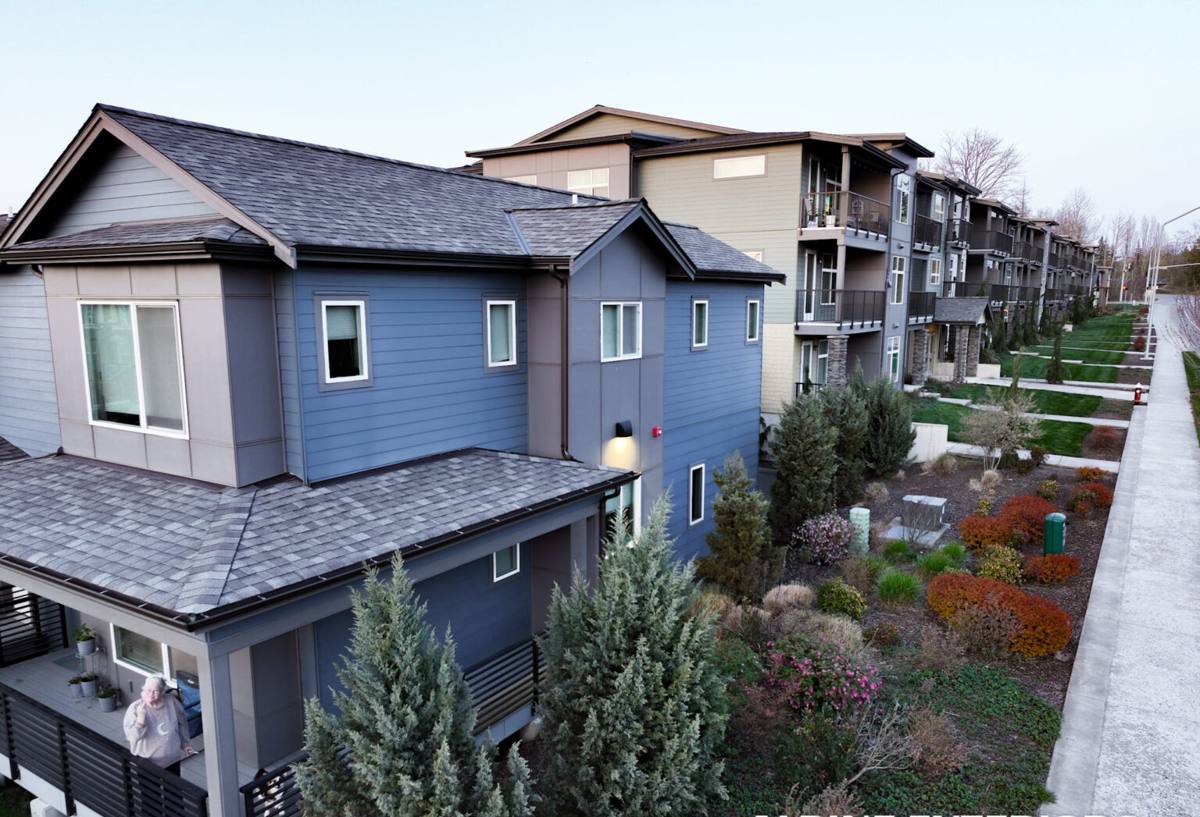
What Gulf-Front and Bay-Front Exposure Actually Does to Siding
Every siding material breaks down eventually. What differs is how it breaks down, and how fast, under Indian Shores conditions specifically:
- Salt air corrosion — airborne salt settles on every exterior surface and accelerates the breakdown of fasteners, trim, and any material that relies on paint film integrity to stay sealed.
- UV degradation — Florida's sun breaks down pigments and surface coatings faster than almost anywhere else in the continental U.S., which is why chalky, faded siding shows up here years before it would inland.
- Wind-driven rain — storms don't just drop rain here, they drive it sideways into seams, laps, and fastener penetrations that were never designed to shed water horizontally.
- Sustained high wind — even outside of a named storm, this stretch of coastline sees more routine wind load than a shielded, tree-covered inland lot, which stresses fastening and lap joints over time.
None of these forces act alone. A siding product that handles UV fine but swells with moisture, or one that resists water but chalks out in five years of sun, is going to show its weak point on an Indian Shores home faster than it would somewhere less exposed.
Signs an Indian Shores Home Actually Needs Siding Replaced
Not every siding issue means a full tear-off. But on barrier island homes, problems tend to be further along than they look from the street, because moisture and salt work from behind the panel as much as from the face. Before we recommend replacement over repair, we look for:
- Soft, spongy, or visibly swollen siding, especially near the bottom courses and around window and door trim
- Persistent bubbling or peeling paint that keeps coming back after repainting
- Visible gaps opening up at butt joints, corners, or where siding meets trim and flashing
- Widespread fastener staining or corrosion streaking down the face of the siding
- Warping, cupping, or buckling panels, particularly on walls that face the Gulf or take direct afternoon sun
- Interior signs — musty odor, staining, or soft drywall on an exterior wall — that point to moisture getting past the siding altogether
If the damage is limited to one wall or a small section and the underlying sheathing is sound, targeted repair can make sense. Once damage shows up in multiple areas, or once we find moisture behind the cladding, patch repairs stop being a real fix and start being a way to spend money twice.
Why Barrier Island Homes Often Need Full Replacement Sooner
Because Indian Shores homes take exposure from two water bodies at once, siding here frequently shows advanced wear at an age where an inland Largo home of the same vintage would still be holding up fine. That's not a reason to panic — it's a reason to have the home actually inspected rather than assuming a 15- or 20-year-old product is automatically due, or automatically fine.
What a Correct Siding Replacement Actually Involves
The visible siding is the smallest part of what determines whether a replacement lasts. Most siding failures we're called out to inspect trace back to what was done — or skipped — underneath the panel, not the panel itself.
Full Tear-Off and Substrate Inspection
We remove the existing siding down to the sheathing rather than layering over it. That's the only way to actually find rot, soft spots, or prior water intrusion instead of hiding it behind a new face. Any damaged sheathing gets replaced before anything new goes on the wall.
Water-Resistive Barrier and Flashing
A new weather-resistive barrier goes on the sheathing, with flashing detailed at every window, door, and penetration so wind-driven rain has a path to shed rather than a path to collect. This step matters more on a Gulf-front wall than almost anywhere else in the county, because wind-driven rain here isn't an occasional event.
Correct Fastening and Clearances
Fastener type, spacing, and embedment depth are specified by the manufacturer for a reason — under-fastened siding is one of the more common causes of early failure we find on coastal homes. We also hold proper clearance at grade, roof lines, and decks so the bottom edge of the siding isn't sitting in standing water or trapped moisture.
Finish and Sealant Details
Factory-applied finishes hold up to UV and salt air far better than field-applied paint, and we use manufacturer-matched caulk and sealant at joints rather than whatever's on the truck. These details are invisible once the job is done, which is exactly why they're the details that get skipped by crews trying to move fast.
Why We Install Only James Hardie Fiber Cement Siding
We don't install vinyl, LP SmartSide, Cemplank, Allura, or primed wood siding, and on a barrier island project the reasons matter more than they would somewhere sheltered.
- Non-combustible material — fiber cement doesn't contribute fuel to a fire, which matters for both safety and, in many cases, insurance considerations on coastal property.
- Built for moisture, not just resistant to it — Hardie's fiber cement formulation is engineered to handle humidity and moisture cycling without swelling, rotting, or delaminating the way wood-based or engineered-wood products can.
- HZ5 product engineering — Hardie's HZ product lines are engineered by climate zone, and Florida's Gulf Coast falls into the harshest exposure category the company designs for — heat, humidity, and moisture specifically accounted for in the formulation.
- ColorPlus factory finish — the color is baked on in a controlled factory process rather than applied on-site, which holds up to UV fading and salt exposure significantly better than field-applied paint and comes with its own dedicated finish warranty.
- Strong, transferable warranty — a written warranty that survives a change of ownership matters on a coastal property where resale value depends on documented exterior condition.
We're not going to claim other products are junk — vinyl is inexpensive and easy to source, LP SmartSide has genuine fans inland, and wood siding has real curb appeal. What we will say plainly: after years of doing exterior work in exposed Pinellas County locations, fiber cement is the only material we're willing to put our name behind here, and Hardie is the fiber cement manufacturer with the engineering, finish system, and warranty structure we trust enough to install exclusively.
Comparing Siding Materials for a Gulf-Front Pinellas County Home
| Material | How It Handles Salt Air & UV | Moisture Behavior | Typical Long-Term Upkeep |
|---|---|---|---|
| Vinyl | Can fade, warp, or become brittle under sustained sun and heat | Doesn't rot, but seams and J-channels can allow water behind the panel | Low routine upkeep, but limited repair options once warped or cracked |
| LP SmartSide / engineered wood | Factory-treated, but edge and cut exposure are vulnerable near salt air | Wood-based core is sensitive to sustained moisture if seals fail | Depends heavily on caulking and paint maintenance staying current |
| Primed wood or cedar | Attractive but requires the most active protection from sun and salt | Most moisture-sensitive option; prone to swelling and rot if maintenance lapses | Highest upkeep — regular repainting and sealing required |
| James Hardie fiber cement | Factory ColorPlus finish engineered to resist UV fade and salt exposure | Fiber cement core does not swell, rot, or support moisture-driven decay | Lowest — no repainting cycle required with ColorPlus finish |
Our Siding Replacement Process, Start to Finish
- On-site inspection — we walk the exterior, check problem areas you've noticed, and look for signs of hidden moisture before quoting anything.
- Written estimate — a clear scope of work, product selection, and price, with no pressure to sign on the spot.
- Permitting — siding replacement in Pinellas County requires permitting through the local building department; we handle that paperwork as part of the job.
- Tear-off and inspection — full removal of existing siding, sheathing checked and repaired as needed.
- Water barrier and flashing installation — the weatherproofing layer that does the real work once the siding is back on.
- James Hardie installation to manufacturer spec — correct fastening, clearances, and joint treatment throughout.
- Final walkthrough — we go over the finished job with you before considering it done.
Cost Factors for an Indian Shores Siding Replacement
Every home is different, and we don't quote a job without seeing it, but the factors that move price on a barrier island property are fairly consistent:
| Factor | Why It Affects Cost |
|---|---|
| Home size and wall complexity | More square footage and more corners, dormers, or trim details mean more material and labor |
| Extent of substrate damage | Rotted or moisture-damaged sheathing found during tear-off adds repair scope beyond the siding itself |
| Access and site conditions | Narrow lots, elevated construction, and limited staging space common on barrier island properties can affect labor time |
| Trim and accessory selection | Matching trim, soffit, and fascia work adds cost but keeps the finished look consistent |
| Permitting requirements | Pinellas County permitting adds a defined but necessary step to the timeline and cost |
Why Hiring a Crew That Already Works Indian Shores Matters
Barrier island jobs have quirks that a crew used to inland subdivisions won't necessarily anticipate. Homes here are frequently elevated on pilings or built with flood-zone considerations in mind, lots tend to be narrower with tighter staging and material access, and the permitting process runs through Pinellas County and any applicable local requirements specific to coastal construction. A crew that's done this before knows to plan for tide and weather windows, knows what the local building department expects on inspection, and isn't guessing at how to stage a tear-off on a lot with no side yard to speak of.
It also means fewer surprises mid-project. Contractors unfamiliar with barrier island conditions sometimes underestimate how much wind-driven moisture has already gotten behind older siding, or plan a schedule that doesn't account for how weather-dependent coastal work can be. Experience here isn't a marketing line — it shows up in fewer change orders and a job that actually accounts for the conditions the home lives in.
Let's Look at Your Indian Shores Home
If your siding is showing wear, or you just want an honest opinion on whether repair or full replacement makes sense, we're happy to take a look. The estimate is free, there's no pressure, and you'll get a straight answer about what your home actually needs — use the form below to get started.