 Largo Window
 Board & Batten Siding in Clearwater's Coastal Climate
Clearwater sits close enough to the Gulf that salt air, wind-driven rain, and near-constant UV exposure are part of daily life for every exterior surface on a home. Board and batten siding — with its vertical boards and raised battens covering the seams — has a distinct, clean look that a lot of Clearwater homeowners want for a full elevation, a gable, or an accent feature like a front entry or dormer. But that same vertical profile behaves differently than horizontal lap siding when it comes to water management and wind exposure, which is exactly why the material and the installation details matter more here than they would in a drier, calmer climate.
Largo Window Company works throughout Pinellas County, including Clearwater, and we install board and batten siding in one material only: James Hardie fiber cement. This page explains what that combination actually requires to hold up long-term on a Gulf Coast home, not just what it looks like on day one.
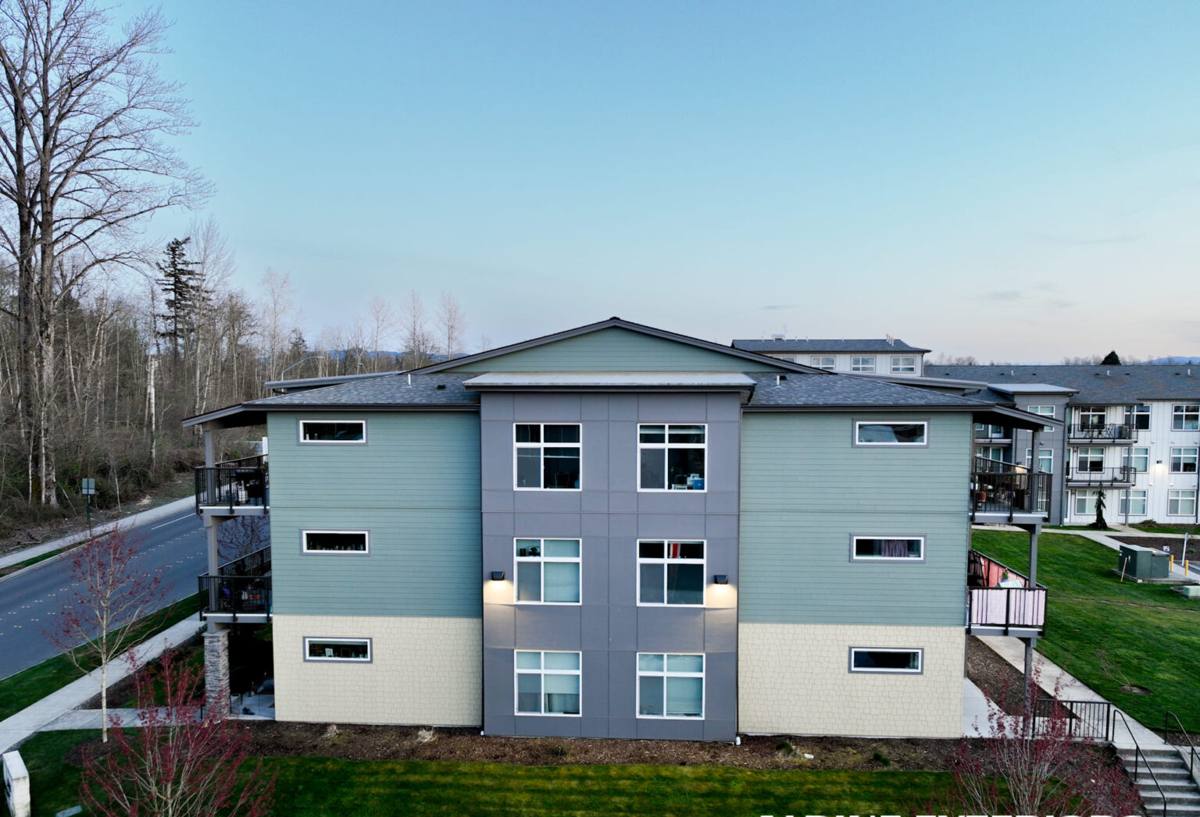
What Board & Batten Siding Is (and Isn't)
Vertical Boards, Raised Battens, Concealed Seams
Board and batten is a vertical siding pattern: wide flat boards are installed side by side, and narrower strips (battens) are fastened over the seams between them. The result is a strong vertical shadow line that reads very differently from traditional horizontal lap siding. It's historically associated with farmhouse and coastal cottage styles, which is part of why it's popular on Florida homes going for a clean, understated exterior.
Where It Gets Used
Some Clearwater homeowners run board and batten across an entire home. Just as often, we install it as an accent — a gable end, a porch surround, a second-story feature above a lap-sided first floor — paired with standard HardiePlank lap siding elsewhere on the house. Either approach works structurally as long as the transitions and flashing are detailed correctly, which we'll get to below.
What Clearwater's Climate Actually Demands From This Siding
A vertical siding pattern has more seams running in the direction water travels than a horizontal lap profile does, and more fastener penetrations per square foot at the battens. In a coastal Pinellas County climate, that adds up in a few specific ways:
- Salt air corrosion: Fasteners and any exposed metal flashing near the coast corrode faster than they would inland. Batten fastening needs corrosion-resistant hardware, not standard interior-grade fasteners.
- Wind-driven rain intrusion: Storms here don't just drop rain straight down — wind pushes it sideways and upward under laps and seams. Every board and batten seam is a potential entry point if the water-resistive barrier and flashing behind it aren't done right.
- UV and heat cycling: Long, intense summers put a lot of thermal stress on siding materials and their finishes. A factory finish that's engineered for UV resistance holds its color far longer than a field-applied paint job baking in Florida sun.
- Wind uplift: Hurricane-force gusts create pressure on any siding profile with raised elements like battens. Fastening pattern and schedule aren't cosmetic choices — they're what keeps the siding attached in a storm.
Why We Install Board & Batten in James Hardie Only
We don't offer board and batten in vinyl, LP SmartSide, primed spruce, cedar, or other fiber cement brands. That's a deliberate standard, not a limitation of what's available on the market.
Non-Combustible, Dimensionally Stable
James Hardie fiber cement is non-combustible and doesn't expand and contract with humidity the way wood-based products do. On a vertical profile where every board meets a batten at a fixed reveal, dimensional stability matters — a product that swells and shrinks with Florida's humidity swings will eventually telegraph gaps, cupping, or fastener stress at those seams.
ColorPlus Factory Finish
Hardie's ColorPlus finish is baked on and cured at the factory, then backed by its own finish warranty, rather than relying on a field-applied paint coat that a crew sprays or brushes on-site after installation. In a climate that runs intense UV nearly year-round, a factory finish engineered for that exposure holds its color and resists fading longer than most site-applied coatings, and it doesn't require the homeowner to plan a repaint cycle the way primed wood siding does.
HZ5 Engineering for Gulf Coast Conditions
James Hardie engineers its HZ product lines for specific climate zones, and Pinellas County falls in the zone that calls for HZ5 — formulated for higher humidity and moisture exposure. We use HZ5-rated Hardie products on Clearwater installations rather than a generic panel not engineered for this climate.
A Warranty Backed by the Manufacturer
James Hardie backs its siding with a long, transferable limited warranty on the substrate and a separate finish warranty on ColorPlus color. That matters to resale — a warranty a future buyer can actually use is worth more than one that dies with the original owner.
What a Correct Installation Involves
Water-Resistive Barrier and Flashing First
Before a single board goes up, the wall needs a continuous water-resistive barrier, properly lapped and taped, with flashing integrated at every window, door, and roof intersection. On board and batten specifically, this step is what actually keeps wind-driven rain out — the siding itself is the visible layer, but the barrier behind it is the real waterproofing system.
Fastening Pattern and Batten Spacing
James Hardie publishes specific fastening requirements for board and batten applications — fastener type, spacing, and edge distance — and those requirements get stricter in high-wind zones. We follow Hardie's published fastening schedule for our wind exposure rather than a generic pattern, because under-fastened battens are one of the more common failure points we see on vertical siding installed by crews unfamiliar with the product.
Gaps, Caulking, and Movement Joints
Fiber cement needs specific gap allowances at board ends, trim, and any point where it meets a dissimilar material, along with the correct sealant — not just caulk run down every seam. Sealing every joint solid without proper gaps traps moisture instead of letting the assembly manage it, which is the opposite of what you want in a humid climate.
Local Wind Zone and Code Compliance
Pinellas County exterior work falls under Florida's high-velocity and wind-borne debris requirements depending on location, and permitting reflects that. We pull the required permits and install to the wind zone the home actually sits in, rather than a generic statewide minimum.
Our Process, Start to Finish
- On-site evaluation: We look at the existing wall condition, current siding (if any), trim details, and where board and batten makes sense — full elevation or accent area.
- Product and reveal selection: We walk through board width, batten spacing, and color options so the final look matches what the homeowner has in mind.
- Written estimate: A clear scope covering removal (if applicable), water-resistive barrier work, flashing, siding, and trim — no vague allowances.
- Tear-off and substrate check: If we're replacing existing siding, we check the sheathing underneath for hidden moisture damage before closing anything up.
- Barrier, flashing, and installation: Installed to James Hardie's published specifications and the local wind zone requirement.
- Final walkthrough: We go over the finished work with the homeowner before calling the job done.
Cost Factors to Understand Before You Budget
We don't quote pricing without seeing the home, but these are the main variables that move the cost of a board and batten project up or down:
| Factor | Why It Matters |
|---|---|
| Full elevation vs. accent area | Covering an entire home costs more in material and labor than using board and batten as a feature on a gable or entry |
| Existing siding removal | Tear-off, disposal, and any sheathing repair add time and cost beyond installing over a clean substrate |
| Board width and reveal | Narrower boards with tighter batten spacing require more material and more fastening labor per square foot than wider boards |
| Trim complexity | Multiple gables, dormers, or transitions to lap siding require more precise, labor-intensive trim work |
| Wind zone fastening requirements | Higher wind exposure areas require tighter fastener spacing, which adds labor time |
Board & Batten vs. Other Siding Approaches
Homeowners considering board and batten in Clearwater often ask how it compares to standard lap siding or to non-Hardie board and batten options they've seen priced elsewhere.
| Comparison | What to Know |
|---|---|
| Board & batten vs. lap siding | Board and batten gives a distinct vertical look but has more seams and fastener points per square foot, so correct installation detail matters even more in a wind-driven-rain climate |
| James Hardie vs. vinyl board and batten | Vinyl board and batten is lighter and less expensive up front, but it's more vulnerable to impact damage and heat distortion in intense Florida sun, and it's not a product we install |
| James Hardie vs. wood board and batten | Real wood needs an ongoing paint and moisture-sealing schedule to survive coastal humidity; fiber cement with a factory finish does not carry that same maintenance burden |
Maintenance That Keeps It Looking Right
James Hardie board and batten is low-maintenance, not no-maintenance. A simple annual routine goes a long way in a salt-air climate:
- Rinse the siding with a garden hose once or twice a year to clear salt residue and airborne grime, especially on elevations facing the water
- Inspect caulking at trim joints and penetrations annually, and have any cracked or missing sealant replaced promptly
- Walk the exterior after major storms to check for loose battens, dented panels, or displaced trim
- Keep sprinklers and irrigation from spraying directly on the siding day after day, which can accelerate wear at the base
- Avoid pressure washing at close range or high PSI, which can force water behind boards and damage the finish
Why a Crew That Already Works in Clearwater Matters
Board and batten installed to spec anywhere will hold up reasonably well. Board and batten installed by a crew that understands Pinellas County's wind zone requirements, permitting process, and what a Gulf Coast humidity cycle does to an assembly over years is a different level of work. We're not learning the local wind exposure or flashing requirements on your house — that's baseline knowledge for every Clearwater job we take on, and it shows in the fastening schedule, the flashing details, and the barrier work that never ends up visible once the siding is on.
If you're considering board and batten siding for a Clearwater home — whether as a full exterior or an accent feature — we're happy to take a look and walk you through what it would involve for your specific house. Reach out for a free, no-pressure estimate using the form below.