 Largo Window
 Clearwater sits in one of the tougher climates in the country for a window to hold up in, let alone perform efficiently for years. Hurricane-force winds test every seal and anchor point a window has. Intense, near-constant UV breaks down lower-grade vinyl and weatherstripping from the outside in. Wind-driven rain pushes water sideways into gaps a calmer climate would never find. And salt air moving in off the Gulf and Tampa Bay works on hardware and frame components every day, storm or not. For homes in and around Clearwater, "energy-efficient windows" can't just mean a good glass package on a spec sheet — it has to mean a window built and installed to keep performing after a few Florida summers, not just on install day.
What "Energy-Efficient" Actually Means in This Climate
Most national window guidance is written with a heating-dominated climate in mind — one where the goal is keeping warm air inside through the winter. That's not the problem Clearwater homes have. Here, the air conditioner is running most of the year, and the bigger job for a window is keeping solar heat and outdoor humidity out rather than keeping indoor heat in. That changes which numbers on a window's spec sheet actually matter for this house. Solar heat gain performance — how much of the sun's heat a piece of glass lets through — tends to matter more day-to-day here than it would in a northern state, because it directly drives how hard the AC has to work on a west-facing window in July. Insulating performance still matters and shouldn't be ignored, and a tight seal also keeps Florida's humidity from working its way into the wall cavity around the frame, but a window chosen purely for northern-climate priorities can underperform on a Clearwater house even with a good rating on the box.
The other piece that doesn't show up on a spec sheet at all is how well the window is sealed and installed. A high-performance glass package in a poorly flashed or loosely shimmed frame will leak air and, eventually, water — and once that happens, the efficiency rating on the label stops meaning much. We treat the installation as part of the energy performance, not a separate step after it.
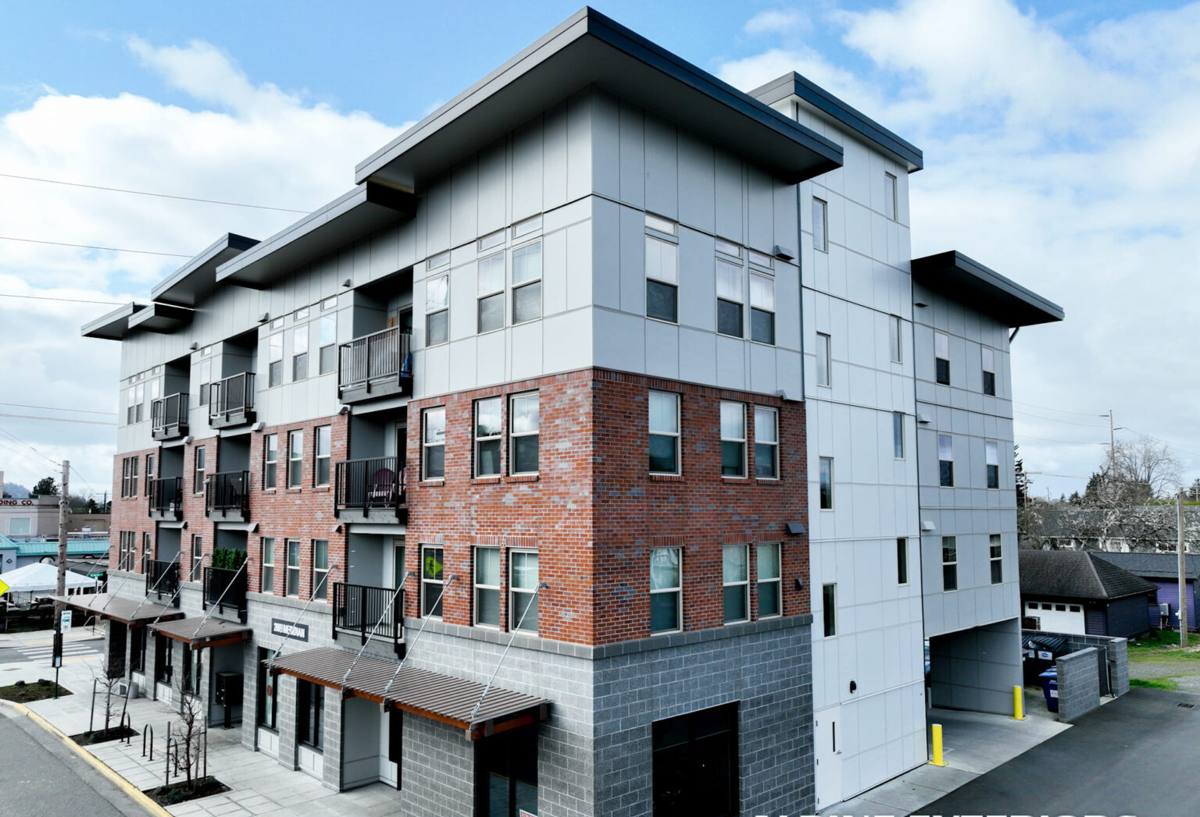
The Climate Factors Working Against Every Window Here
Hurricane-Force Wind and Wind-Driven Rain
Pinellas County sits in Florida's wind-borne debris region, so most window openings here have to meet wind-pressure and impact standards under the Florida Building Code, not just look sturdy. Beyond code minimums, wind-driven rain during storms — and even ordinary heavy downpours — pushes water sideways against a wall in a way that tests flashing and seals far more than a vertical rain event would. A window that's watertight in a light shower can still leak under wind-driven rain if the flashing wasn't sequenced correctly.
UV and Salt Air
Away from storm events, two slower factors do steady damage. Florida's UV exposure is intense and nearly year-round, and it breaks down lower-grade vinyl, gaskets, and sealants faster than in most of the country — showing up as chalking, brittleness, and seal failure well before a window's expected lifespan is up. Salt air off the Gulf and Tampa Bay accelerates corrosion on hardware, fasteners, and any frame component that isn't rated for coastal exposure. Neither of these shows up immediately. They show up a few years in, as a window that used to seal tightly starts letting air — and eventually water — through.
Impact-Rated and Energy-Efficient Aren't Two Separate Projects
How the Two Requirements Overlap
In most of the country, "impact glass" and "energy-efficient glass" are two different product conversations. In Clearwater, they need to be the same conversation, because most replacement windows here have to satisfy both at once. The laminated glass used to meet wind-borne debris requirements can also carry a low-emissivity coating and gas fill for solar and thermal performance — the two aren't in conflict, but not every product line offers both in every size and configuration, and it's easy to end up with a window that satisfies one requirement well and the other only adequately.
Where a Rushed Spec Falls Short
The common mistake isn't picking a bad window — it's picking a window sized and specified for one requirement without checking the other. An energy-efficient line pulled from a catalog built for a different climate may not carry the wind-pressure rating this property needs. An impact-rated unit chosen mainly for code compliance may use an older glass package that does little for solar heat gain. We spec to both requirements from the start of a project, including what the permit process will actually require for the property, rather than one now and the other as an afterthought.
Glass and Frame Choices That Hold Up in a Coastal Climate
Frame material and glass package both affect how a window performs here, and how long that performance lasts under UV and salt exposure.
| Option | How It Performs Here | Trade-Off |
|---|---|---|
| Vinyl (coastal-grade) | Good insulating value, resists corrosion, widely available in impact-rated lines | Quality varies a lot between manufacturers — lower-grade vinyl degrades faster under intense UV |
| Fiberglass | Very stable in heat and UV, low expansion/contraction, strong corrosion resistance | Higher upfront cost than vinyl |
| Aluminum | Strong, narrow sightlines, common in impact-rated storefront-style units | Conducts heat more than vinyl or fiberglass unless thermally broken; needs a corrosion-resistant coating near salt air |
| Low-E laminated glass, gas-filled | Blocks a meaningful share of solar heat while meeting impact requirements | Costs more than clear laminated glass; not every tint or coating is available in every impact-rated size |
Darker tints and reflective coatings block more heat but also cut visible light and change how the glass looks from the street, so we'll walk through these trade-offs against your specific elevation and sun exposure rather than defaulting to one option for every job — a west-facing wall of glass and a shaded north-facing window don't need the same glass package.
What a Correct Installation Involves
Measuring and Product Selection
We start with an on-site assessment of each opening — size, orientation to the sun, current condition of the framing — and match it to a window that satisfies both the wind-pressure requirement for the property and a solar/thermal package that makes sense for that elevation.
Flashing and Sealing
This is the step that decides whether a good window keeps performing. Every opening gets flashed to shed wind-driven rain outward, and the gap between the window frame and the rough opening gets properly sealed and insulated — not just caulked at the visible edge. A gap that's only sealed cosmetically will leak air, waste the glass package's efficiency, and eventually let water in during a storm.
Anchoring for Wind Load
Impact-rated windows have to be anchored according to the manufacturer's tested specifications to actually perform at their rated wind pressure — the right window installed with the wrong fastener pattern or spacing doesn't carry its rating in practice, whatever the box says.
Finish and Trim
The exterior trim and finish work gets integrated to match the rest of the house, so the new windows look original to the home rather than added on.
Signs Your Current Windows Are Working Against You
- Cooling bills that have crept up without a change in how you use the AC
- Fogging or haze between the panes of a double-pane window, which usually means the seal has failed
- Noticeable drafts or temperature differences near the window frame
- Fading on nearby flooring, furniture, or fabric from excess solar heat and UV coming through the glass
- Visible pitting, chalking, or corrosion on frames and hardware
- Single-pane glass or older aluminum-frame windows installed before current wind codes applied to the property
Our Process, Start to Finish
- On-site assessment — we measure each opening and evaluate sun exposure, current window condition, and any flashing or framing issues
- Honest recommendation — a glass and frame package matched to that opening's wind-pressure requirement and solar exposure, explained in plain terms
- Ordering — a realistic timeline for the specific product, since impact-rated, energy-efficient lines aren't always shelf-stock
- Removal and opening prep — the old window comes out, and any hidden rot or prior flashing damage gets addressed before the new unit goes in
- Installation, anchoring, and flashing — set to the manufacturer's tested wind-load specification and flashed to shed water outward
- Trim and finish — exterior trim integrated cleanly with the rest of the home
What Drives Cost
We won't quote a number without seeing the openings, but the same factors move price on most projects in this area, and knowing them ahead of time makes it easier to compare estimates that look different on paper.
| Factor | Why It Matters |
|---|---|
| Number and size of openings | More glass area and more units mean more material and labor |
| Frame material | Vinyl, fiberglass, and aluminum carry different material and manufacturing costs |
| Glass package | Low-E coatings, gas fill, and tint level all add cost over basic laminated glass |
| Wind-pressure rating required | Higher-exposure locations or larger openings may need a heavier-duty rated unit |
| Opening condition | Rot, prior flashing failures, or out-of-square framing add repair work before installation |
Why a Crew That Works This Area Regularly Matters
Manufacturer installation instructions are written for average conditions, not for a house a few miles from the Gulf that takes direct salt air and full afternoon sun on one elevation. A crew that installs windows around Clearwater and greater Pinellas County on a regular basis has already seen which details in those instructions are worth extra time here — where a flashing lap needs to be wider, which fastener spacing actually holds up under real storm loads, and which glass packages hold their coating instead of degrading early under this much UV. That experience doesn't show up in a sales pitch, but it shows up in whether the windows are still sealing tightly and performing efficiently five or ten years after installation, not just on the day they go in.
If you're dealing with rising cooling bills, failing seals, or windows that were never rated for the wind exposure your home actually has, it's worth having someone look at the openings in person before you start pricing options. We offer free, no-pressure estimates for energy-efficient window projects in Clearwater and throughout the surrounding Largo and Pinellas County area — use the form below to get a time on the schedule.