 Largo Window
 Metal Roofing Built for the Clearwater Stretch of Pinellas County
Homes along the Clearwater side of Largo sit close enough to the Gulf that the weather doesn't behave like it does further inland. Roofs here take a steady beating from three directions at once: intense, near year-round UV that bakes shingles and coatings, salt-laden air that works its way into metal fasteners and flashing, and wind-driven rain that finds every gap a roof gives it. Add the occasional hurricane-strength gust and you have a climate that separates a roof that's installed correctly from one that's just installed.
Metal roofing has become a popular answer for homeowners in this part of Pinellas County precisely because it holds up better against that combination than most alternatives, provided it's specified and installed the right way for a coastal environment. This page is about that one job, done right, for homes in and around the Clearwater area of Largo.
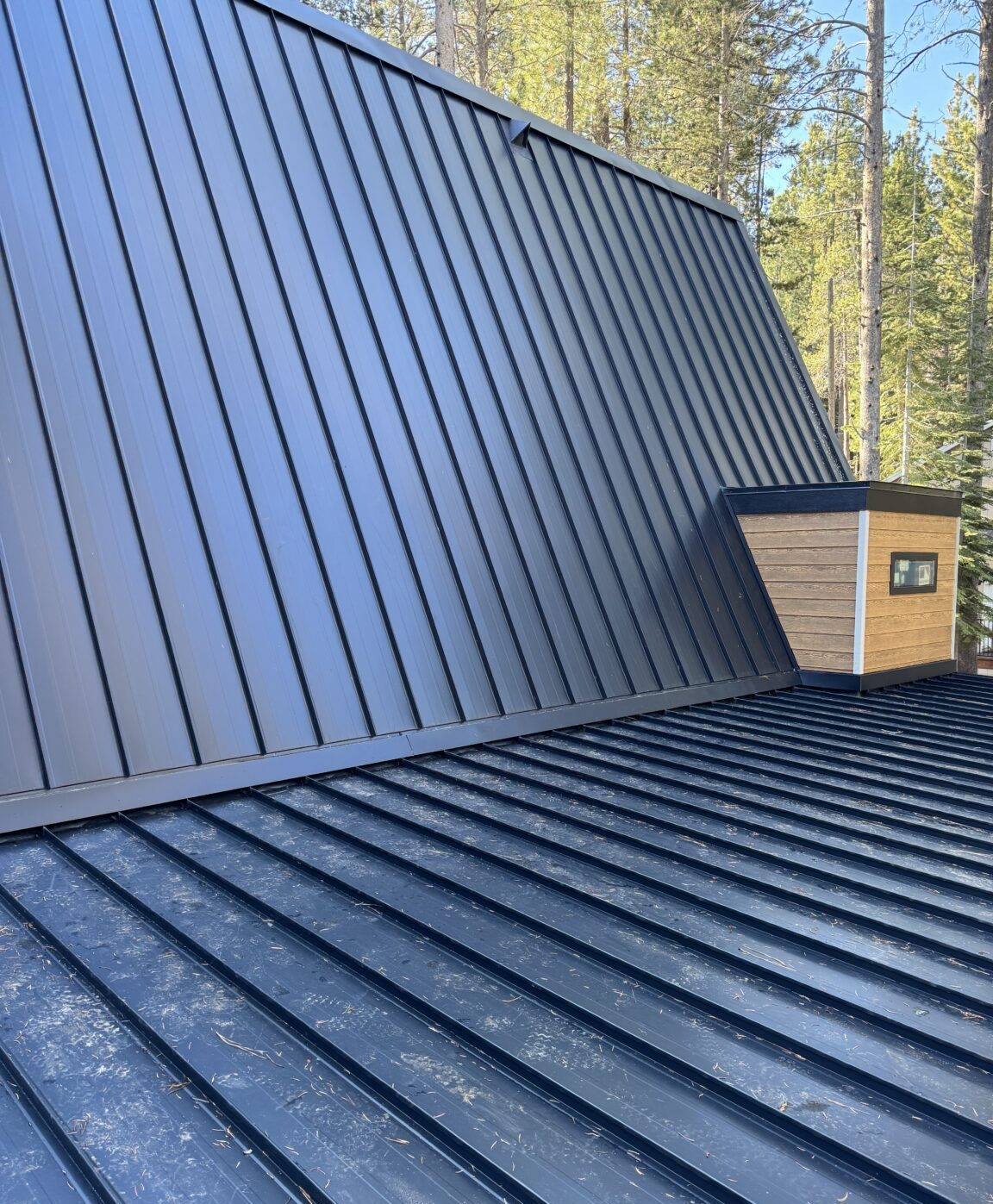
What Coastal Pinellas Weather Actually Does to a Roof
Before talking about materials, it helps to understand what a roof out here is actually up against year after year.
UV and Heat
Florida sun is relentless, and roofs get the worst of it. Asphalt shingles lose their granules and flexibility over time under that exposure, which is part of why shingle roofs in this area tend to age faster than the same product would inland or up north. Metal roofing with a quality factory finish resists UV breakdown far better and doesn't rely on granule coverage to protect itself.
Wind-Driven Rain
Rain that comes in sideways during a coastal storm doesn't just sit on a roof surface — it gets pushed uphill under laps, around penetrations, and into any seam that isn't properly sealed or fastened. This is where installation detail matters more than the material itself. A high-quality panel installed with the wrong underlayment or flashing detail will still leak.
Salt Air and Corrosion
Being near the Gulf means airborne salt settles on every exterior surface, including the roof. Salt accelerates corrosion on fasteners, flashing, and any metal component that isn't rated for coastal exposure. This is a big reason product selection matters as much as workmanship — the wrong fastener or panel coating can start showing rust streaks within a few years in this environment.
Hurricane and High Wind Loads
Pinellas County roofs are engineered to hold up against significant uplift forces. Wind doesn't just push down on a roof — it pulls up on the edges and corners, which is where most wind-related roof failures start. A metal roof's wind performance comes down to panel type, fastening pattern, and edge detailing, not just the fact that it's metal.
Why Metal Roofing Fits This Climate Better Than Most Options
Metal isn't automatically the right answer for every home or every budget, but for the specific stresses of the Clearwater area, it has real advantages worth understanding honestly:
- Wind resistance: Properly fastened metal panels, especially standing seam systems, are rated for some of the highest wind uplift ratings available in residential roofing.
- UV stability: Factory-applied coatings on quality metal roofing resist fading and chalking far longer than asphalt granules under constant Florida sun.
- Water shedding: A well-detailed metal roof sheds wind-driven rain more effectively because of continuous panel runs and fewer overlap points than shingles.
- Longevity: With the right coating and fastener spec, metal roofing is built to outlast asphalt shingles by a wide margin in this climate.
- Lower long-term maintenance: No granule loss, no algae streaking in the same way shingles get, and fewer individual pieces that can work loose over time.
The trade-off is upfront cost and installation sensitivity — metal roofing rewards correct installation and punishes shortcuts more visibly than shingles do, which is exactly why the crew matters as much as the material.
Metal Roofing Panel Types: What We Install and Why
Not all metal roofing is the same product wearing different names. The panel type changes how the roof performs against wind and water, and it changes the price.
| Panel Type | How It's Fastened | Coastal Wind/Water Performance | Relative Cost |
|---|---|---|---|
| Standing Seam | Concealed clips, no exposed fasteners on the field | Best-in-class; seams interlock and there's no exposed fastener to corrode or back out | Higher |
| Metal Shingle / Shake Panels | Interlocking panels, largely concealed fasteners | Strong performance with the look of traditional shingles or shake | Mid to Higher |
| Exposed Fastener (5V, Corrugated) | Fasteners driven through the panel face | Good performance when installed correctly, but exposed fasteners need re-torquing or replacement over time as gaskets age in salt air | Lower |
For homes closest to the water, we lean toward concealed-fastener systems because they remove the single biggest long-term maintenance point in a coastal environment: fasteners that loosen or corrode. Exposed fastener panels are still a legitimate option for many Largo-area homes, particularly on garages, additions, or budget-conscious projects, as long as the homeowner understands the fastener maintenance that comes with them.
What a Correct Metal Roof Installation Actually Involves
The panel is the part homeowners see. Everything underneath it is what determines whether the roof performs in a coastal storm.
Deck Inspection and Prep
We don't install over a deck we haven't checked. Soft spots, old fastener holes, and moisture-damaged sheathing get addressed before a single panel goes down — covering a bad deck with a good roof just hides the problem.
Underlayment
In a wind-driven rain climate, underlayment is the roof's real backup line of defense. We use underlayment rated for the exposure the panel type calls for, with attention to how it laps and seals around penetrations, not just how it's rolled out across the field.
Fastening and Attachment
Fastening pattern and clip spacing are engineered to the wind zone, not applied by habit. This is where a lot of wind uplift failures actually start — not in the panel material, but in fasteners spaced too far apart or driven at the wrong angle.
Flashing and Penetrations
Valleys, wall transitions, vent stacks, and chimney penetrations are where the overwhelming majority of roof leaks originate, on metal or any other roofing material. Flashing has to be formed and layered correctly, not caulked as a substitute for proper detail work.
Ventilation
A metal roof still needs a properly ventilated attic underneath it. Skipping ventilation to save a step can trap heat and moisture, which shortens the life of the roof deck even if the metal panels themselves are fine.
Edge and Perimeter Detail
Drip edges, rake trim, and ridge caps take the highest wind loads on the entire roof. These are also the details most often rushed on a low-bid job, and they're usually the first thing to fail in a storm.
Wind Codes and What They Mean for a Largo-Area Roof
Florida's building code sets wind-resistance requirements based on location, and coastal Pinellas County homes are designed to withstand serious wind pressures. When we quote a metal roof for a Clearwater-area home, the panel type, fastening spec, and underlayment all get selected to meet or exceed what's required for that property's wind zone — not a generic, one-size-fits-all install pulled from a different part of the state.
This matters for two practical reasons beyond just safety: it affects what your insurance carrier will recognize, and it affects whether the roof actually performs the way it's rated to when a real storm hits. A roof that looks right but wasn't installed to the applicable wind requirements can still fail in ways that are expensive and preventable.
Our Process, Start to Finish
- On-site inspection: We look at the existing roof, deck condition, ventilation, and any problem areas specific to your home before recommending anything.
- Honest scope and options: We walk through panel type, coating, and budget trade-offs in plain language — no pressure toward the most expensive option if it isn't what your home needs.
- Written estimate: Clear scope, materials, and timeline so there are no surprises once work starts.
- Tear-off and deck prep: Old roofing removed, deck inspected and repaired as needed before anything new goes on.
- Underlayment and flashing installation: The part that actually keeps water out gets done carefully, not rushed to get to the visible panel work.
- Panel installation: Installed to the fastening and clip spec required for your home's wind zone.
- Final walkthrough: We review the finished roof with you, including care and maintenance specific to the panel type installed.
- Cleanup: Job site and property cleared of debris, nails, and old material.
Cost Factors for a Metal Roof in the Clearwater Area
Every metal roofing project is priced around the specifics of the home, so we don't publish flat numbers — but these are the real factors that move the price up or down:
| Factor | Why It Matters |
|---|---|
| Panel type | Standing seam costs more in material and labor than exposed fastener panels |
| Roof complexity | Multiple valleys, dormers, and roof planes take more flashing work and labor time than a simple roof shape |
| Deck condition | Rotted or damaged decking found during tear-off adds repair cost before new roofing goes on |
| Coating and finish | Higher-grade coatings resist salt air and UV longer but cost more upfront |
| Tear-off scope | Removing multiple layers of old roofing takes more labor than a single-layer tear-off |
| Access and roof pitch | Steep or hard-to-access roofs require more safety setup and time |
We walk through all of this during the on-site estimate so you understand exactly what's driving the number, not just a bottom-line total.
Living With a Metal Roof: What Maintenance Actually Looks Like
Metal roofing is genuinely lower-maintenance than shingles, but "lower" doesn't mean "none," especially this close to the Gulf. A simple annual routine goes a long way:
- Visually inspect for loose or lifted panel edges after major storms
- Check exposed fasteners (if that panel type was used) for corrosion or backing out
- Clear leaves and debris from valleys and gutters so water keeps moving off the roof
- Rinse accumulated salt residue off the surface periodically, especially on homes closest to the water
- Have flashing around penetrations checked during routine inspections, since that's where leaks most often start
- Watch for any dissimilar-metal contact points, which can accelerate corrosion over time
Why a Crew That Already Works the Clearwater Area Matters
Roofing crews that work this specific stretch of Pinellas County day in and day out develop a practical feel for what actually holds up here versus what performs fine somewhere with milder weather. That shows up in small decisions — fastener grade, coating choice, flashing detail at a wall transition — that don't show up on a spec sheet but do show up five years later when a generic install starts leaking and a properly detailed one doesn't.
It also means straightforward scheduling and communication with a crew that isn't traveling in from across the state, and a team that's used to coordinating around Florida's storm season rather than treating it as an afterthought.
If you're weighing a metal roof for a Clearwater-area home near Largo, we're glad to walk your roof, answer straight questions about materials and cost, and put together a written estimate with no pressure attached. The form below gets you started whenever you're ready.