 Largo Window
 New Roof Installation Built for Clearwater's Climate
A roof over a Clearwater home works harder than most homeowners realize. It sits under intense, nearly year-round UV exposure that breaks down roofing materials from the surface down. It has to hold together under hurricane-force wind gusts during the summer and fall storm season. Rain here rarely just falls — it gets driven sideways and forced up under roofing edges during tropical systems and even ordinary Gulf-fed thunderstorms. And for homes anywhere near the coast or the Intracoastal, salt-laden air is steadily working on exposed metal, fasteners, and flashing every single day, storm or no storm. None of that makes a new roof a bad investment. It just means the installation has to be built for these specific conditions, not treated like a generic reroof that happens to be going on in Florida.
This page focuses specifically on new roof installation for homes in Clearwater — what the local climate actually demands from a roofing system, what a correct install looks like from the deck up, how we run the job, and why it matters to hire a crew that already does this work regularly in this part of Pinellas County.
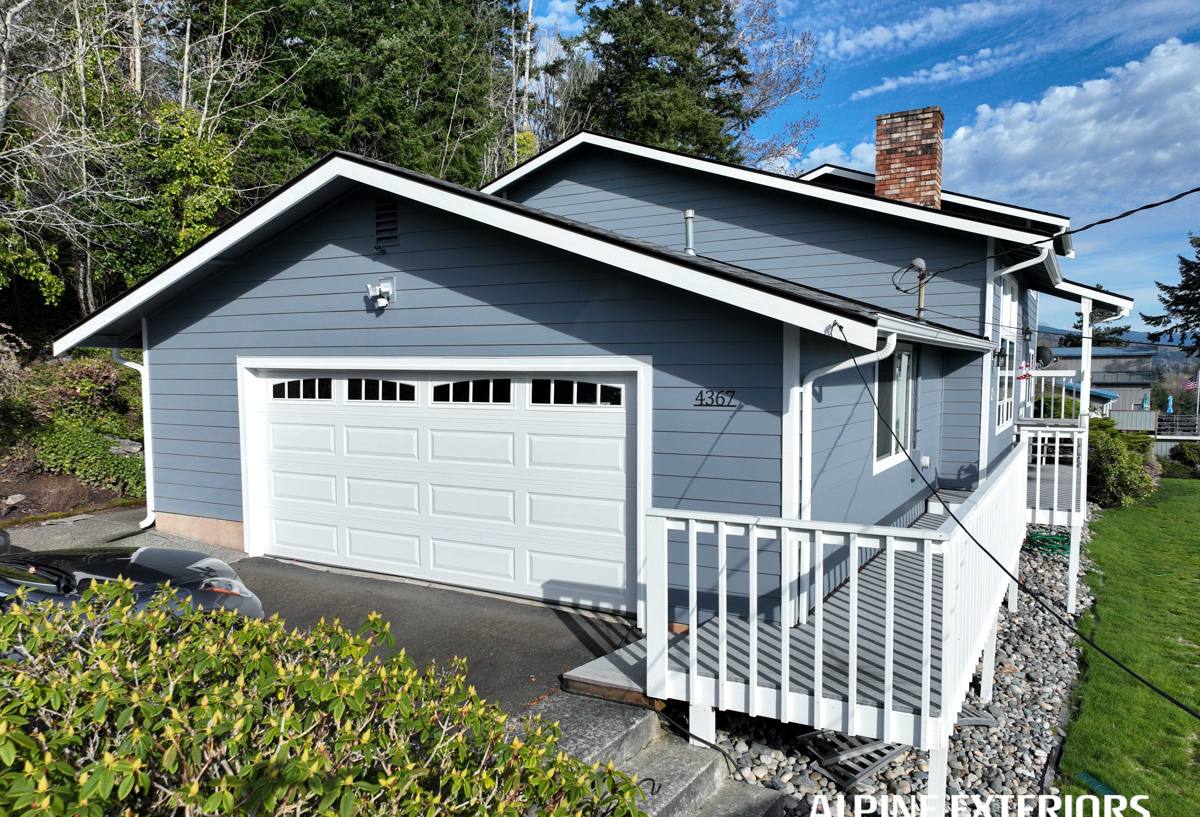
What Clearwater's Weather Actually Demands From a Roof
Every roofing material sold today can technically hold up in Florida. The difference between a roof that lasts two decades and one that starts leaking in year six almost always comes down to whether the installation actually accounted for local conditions, or whether it followed a generic national spec and hoped for the best.
What a Correct Install Has to Account For
- Wind uplift resistance: Roofing materials, fastening patterns, and nail counts all need to be matched to the wind speed requirements for this area, not the minimum allowed in a calmer inland market.
- UV and heat resistance: Constant sun exposure accelerates the breakdown of roofing materials and sealants, so product quality and proper attic ventilation both matter more here than in less sun-intensive climates.
- Wind-driven rain protection: A secondary water barrier under the primary roofing material is what keeps a home dry when rain is being pushed sideways and upward instead of simply running downhill off the roof.
- Corrosion-resistant metal and fasteners: Salt air speeds up corrosion on lower-grade flashing and fasteners, and a rusted-through flashing detail is one of the most common sources of a leak that shows up years after installation.
None of these are exotic upgrades. They're the baseline for a roof that's actually built for where it sits, and they're exactly the details that get skipped when a contractor is racing through a job on volume rather than treating each roof as its own project.
What a Correct New Roof Install Involves
Putting on a new roof is a system-level job, not a single product being nailed down. Each layer does a specific job, and skipping or shortcutting any one of them is usually where a roof's real weaknesses come from.
Tear-Off and Deck Inspection
A full tear-off down to the plywood or OSB decking is the only reliable way to find rot, soft spots, or hidden water damage that's been developing quietly underneath the old roofing. That kind of damage is often invisible from inside the attic until it's already advanced, and it has to be repaired before anything new goes down, not sealed over and hoped away.
Secondary Water Barrier and Underlayment
This is one of the most important layers for a Clearwater roof specifically. A synthetic or self-adhered secondary water barrier gives the deck real backup protection in a climate where wind-driven rain routinely gets forced under the primary roofing material rather than simply sheeting off. It's the difference between a roof that stays dry through a bad storm and one that lets water in around every edge and penetration.
Drip Edge and Fastening for High-Wind Conditions
Proper drip edge installation at eaves and rakes, along with a fastening pattern that meets the wind speed requirements for this area, is what keeps a roof locked down under gusts instead of lifting at the edges over time. This matters even more on homes with open exposure to wind off the water than it does on tightly sheltered inland lots.
Flashing at Valleys, Chimneys, and Walls
Most roof leaks in this region don't start out in the open field of the roof — they start at flashing. Valleys where two roof planes meet, chimney and skylight penetrations, and the point where a roofline meets a wall all need flashing that's properly integrated with the underlayment and sealed as part of the system, not caulked over as an afterthought once the roofing material is already down.
Ventilation
Balanced intake and exhaust ventilation keeps the attic and roof deck from trapping heat and moisture, which extends the life of the roofing material and reduces strain on the home's cooling system. A roof can look fine from the street and still be shortening its own lifespan because of poor attic airflow nobody's checked in years.
Permitting and Inspection
A new roof in Clearwater requires a permit and inspection through the appropriate local building department, and the work has to meet current Florida Building Code wind-resistance requirements for reroofing in this region. Skipping or rushing this step doesn't just risk a failed inspection — it can create real problems later with insurance claims or a home sale if the work was never properly permitted and closed out.
Comparing Roofing Material Options for a Clearwater Home
| Roofing Material | Typical Lifespan | Fit for Clearwater Conditions |
|---|---|---|
| Architectural (Laminated) Asphalt Shingles | 25-30 years | Strong wind ratings available, cost-effective, and the most common practical choice for this area when installed correctly |
| Standing Seam Metal | 40-50+ years | Excellent wind and UV performance; a higher upfront cost that often pays back through longevity and potential insurance credits |
| Concrete or Clay Tile | 40-50+ years | Very durable field material, but individual tiles and the underlayment beneath them need correct fastening and periodic attention after major storms |
| 3-Tab Shingles | 15-20 years | Lowest upfront cost, but a thinner profile and lower wind rating make them a weaker fit for coastal wind exposure |
For most Clearwater homes, architectural shingles rated for this area's wind speeds hit the right balance of upfront cost and long-term performance. Metal and tile both perform very well here too, and which one makes sense usually comes down to budget, how long you plan to stay in the home, and the look you want for the property.
What Drives the Cost of a New Roof
Two roofing bids for the same house can land thousands of dollars apart, and the gap is almost always real differences in scope, not one contractor simply padding the number. Understanding what actually drives cost makes it far easier to compare estimates that look nothing alike on paper.
| Factor | What It Affects |
|---|---|
| Roof size and pitch | Total material needed and labor time, especially on steeper or more complex roof lines |
| Tear-off and deck repair | Whether hidden rot or moisture damage gets found and fixed before new roofing goes down |
| Underlayment grade | How well the roof resists wind-driven rain getting under the roofing material |
| Material choice | Upfront cost versus expected lifespan and wind/UV performance |
| Flashing and penetration scope | How thoroughly valleys, chimneys, vents, and wall intersections are addressed |
| Ventilation upgrades | Long-term heat and moisture control, and how long the roofing material actually lasts |
| Permitting and code compliance | Whether the finished roof will pass inspection and hold up for insurance purposes |
A written estimate that breaks these items out individually tells you far more than a single lump-sum number. It's worth asking any contractor to walk you through exactly what's included, line by line, before comparing two prices side by side.
How Our Process Works
A new roof is one of the larger investments a homeowner makes in a property, and we keep the process straightforward so there aren't surprises along the way.
- In-person inspection: We walk the roof and attic ourselves, rather than estimating from a photo, and document exactly what we find.
- Written, itemized estimate: Material, underlayment, flashing, ventilation, and labor are broken out clearly so you know exactly what you're paying for.
- Permitting: We handle the permit application and coordinate required inspections through the appropriate local building department.
- Tear-off and deck inspection: Old roofing comes off down to the deck, and any rot or damage found underneath is addressed before anything new goes down.
- Installation: Secondary water barrier, flashing, ventilation, and the finished roofing material are installed to current wind-resistance standards for this area.
- Final walkthrough and cleanup: We inspect the finished roof with you, answer questions, and make sure the property is cleaned up, including a magnetic sweep for stray fasteners.
Signs Your Clearwater Roof May Need Replacing, Not Just Repair
Roofs rarely fail all at once. They give warning signs first, often well before a leak actually shows up inside the house, and catching those signs early is frequently the difference between a repair and a full replacement.
- Granules collecting in the gutters, signaling shingles wearing thinner than they should be at this stage of their life
- Curling, cracking, or lifted shingle edges, especially on wind-exposed sections of the roof
- Cracked, slipped, or missing tiles, or visibly corroded metal flashing or panels
- Water staining on interior ceilings or in the attic, particularly near valleys, chimneys, or vent penetrations
- Visible sagging along the roofline, which can point to deck-level moisture damage underneath
- A roof that's approaching or past the age where insurers typically start requiring inspections before renewing coverage
If several of these sound familiar, it's worth having the roof looked at before the next storm system moves through rather than waiting for a leak to force the decision under worse conditions.
Why Hiring a Crew That Already Works in Clearwater Matters
Roofing work in this part of Pinellas County isn't identical to roofing work in a calmer inland market, and the permitting process alone reflects that. Depending on where a property sits, the permit may go through the City of Clearwater or through Pinellas County, and each has its own inspection scheduling and documentation expectations. A crew that already works in this area knows those processes, knows what inspectors are looking for on a reroof, and doesn't lose weeks figuring it out for the first time on your project.
There's also the insurance side. Florida homeowners insurers frequently request a wind mitigation inspection when a roof is replaced, and the roofing details documented at that inspection — the roof-to-wall connections, the fastening method, the presence of a secondary water barrier — can directly affect premium pricing. A contractor who understands what that inspection is looking for can make sure the finished roof is set up to document those features correctly from day one, instead of leaving a homeowner to sort it out after the fact.
Finally, familiarity with the area means familiarity with the housing stock itself — the roof pitches, deck types, and older versus newer construction commonly found on Clearwater homes — which shows up in a more accurate estimate the first time, not a revised number after the tear-off uncovers something nobody anticipated.
A Practical Checklist Before You Choose a Roofer
- Do they perform a full tear-off with deck inspection, not just an overlay on existing roofing?
- Does the estimate specify underlayment type and roofing product, not just "new roof"?
- Is flashing work at valleys, chimneys, and walls explicitly written into the bid?
- Do they carry current Florida contractor licensing, liability insurance, and workers' compensation?
- Will they pull the permit themselves and coordinate the required inspections?
- Can they explain how the finished roof will document for a wind mitigation inspection?
- Does the bid clearly separate the manufacturer's material warranty from the contractor's own workmanship warranty?
If you'd like an honest, no-pressure look at your Clearwater roof and a written estimate you can compare against anything else you've received, we're glad to come take a look. Use the form below to request a free estimate.