 Largo Window
 Building Decks That Hold Up in Belleair's Coastal Climate
Belleair sits close enough to the water that every outdoor structure on a property deals with the same set of stresses: salt-laden air, intense year-round UV, wind-driven rain that finds its way into any gap left unsealed, and the occasional hurricane-force wind event that tests every fastener and connection point. A deck built without those conditions in mind might look fine for a season or two, then start showing problems — cupped boards, rusted hardware, soft spots at the ledger board, railings that wobble. A deck built for Belleair specifically is a different project from the start: material selection, fastener choice, framing details, and drainage all get decided with this exact climate in mind.
We work throughout Pinellas County, and Belleair's mix of older established homes and newer construction near the water means we see a wide range of existing conditions — from decks that need a full replacement to additions built onto homes that never had outdoor living space designed in. Whatever the starting point, the goal is the same: a deck that's still solid, safe, and good-looking a decade from now, not just at the final walkthrough.
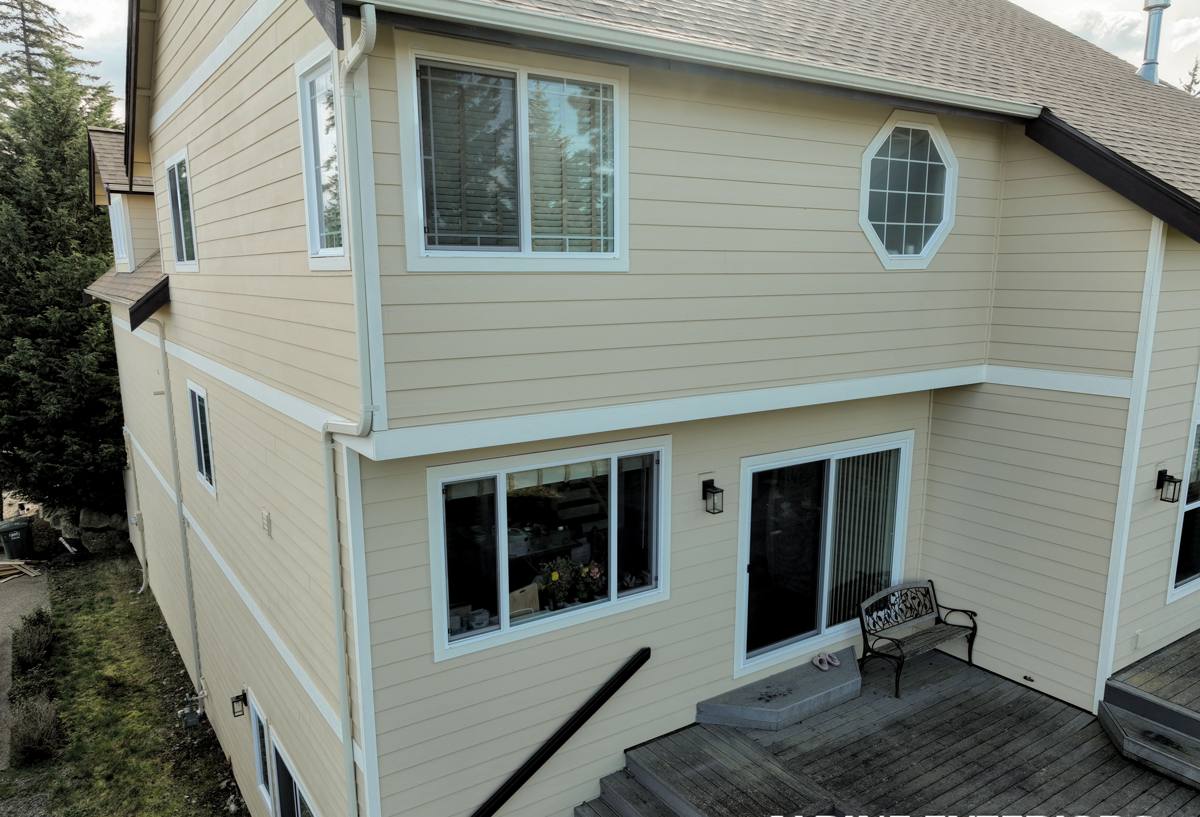
What Local Homes Actually Need From a Deck
Homeowners in this area usually come to us wanting a few things at once: outdoor space that can survive the weather without constant upkeep, a structure that meets Florida's wind load requirements, and something that looks like it belongs on the house rather than bolted onto it as an afterthought. In practice, that means paying attention to details that don't matter as much in drier, calmer climates:
- Fasteners and structural connectors rated for coastal/marine exposure, not standard interior-grade hardware
- Decking material that won't warp, gray unevenly, or splinter under constant sun exposure
- Proper drainage and airflow underneath the deck so trapped moisture doesn't rot framing from below
- Railing and post connections engineered for wind uplift, not just vertical load
- Ledger board flashing that actually keeps wind-driven rain from working its way into the house wall
Skip any one of these and the deck may still pass a casual look, but it won't hold up the way it should. This is where a lot of problems on older decks in this area actually started — not from bad luck, but from shortcuts taken at the framing and fastening stage that don't show up until years later.
Sun and UV Exposure Year-Round
Florida sun is relentless on outdoor surfaces, and Belleair's open, coastal exposure means decks here often get more direct sun than similar structures further inland. Composite and PVC decking have UV inhibitors built into the material, which matters here more than it would in a shadier climate. Wood decking needs a real maintenance commitment — sealing and staining on a schedule, not just when it starts to look faded — or it will gray, crack, and check faster than owners expect.
Salt Air and Corrosion
Even homes that aren't directly waterfront pick up salt in the air from Gulf breezes, and salt accelerates corrosion on anything metal. Standard galvanized screws and brackets can start rusting within a couple of seasons in this environment. We spec stainless steel or coated fasteners rated for coastal use on every deck we build here, because replacing a handful of screws is a lot cheaper than replacing a section of ledger board that failed because the fasteners holding it gave out.
Decking Material Comparison
There's no single "right" material for every homeowner — it depends on budget, how much upkeep you want to take on, and how the deck will be used. Here's how the common options actually perform in this specific climate:
| Material | Upfront Cost | Maintenance in Coastal Climate | Typical Lifespan |
|---|---|---|---|
| Pressure-treated wood | Lowest | Annual sealing/staining recommended; prone to graying and splintering if neglected | 10-15 years with consistent upkeep |
| Composite decking | Mid to high | Occasional washing; no sealing or staining needed | 20-25+ years |
| PVC/cellular decking | Highest | Lowest maintenance; resists moisture absorption best of the three | 25+ years |
| Tropical hardwoods (e.g., ipe) | High | Periodic oiling to maintain color; naturally dense and rot-resistant | 25+ years |
Composite and PVC decking have become the more common choice for coastal Pinellas County homes specifically because they don't absorb moisture the way wood does, which matters when you're dealing with humidity, salt air, and heavy seasonal rain in the same environment. That said, plenty of homeowners still prefer the look and feel of real wood and are willing to keep up with the maintenance — that's a legitimate choice as long as it's an informed one.
Framing and Fasteners: Where Most Deck Problems Start
The decking boards are the part everyone sees, but the framing underneath is what actually determines whether a deck is safe and how long it lasts. This is also where corner-cutting is hardest to spot after the fact — until something fails.
A few things we treat as non-negotiable on every deck we build in this area:
- Ledger board attachment with proper flashing and coastal-rated lag bolts, not just nailed or lightly bolted to the house band board
- Joist hangers and structural connectors rated for the actual load and spaced to current code, not "close enough"
- Footings sized and set to local frost-line and soil requirements, with post bases that keep wood off standing water
- Cross-bracing and blocking sufficient for Florida's wind load requirements, not just vertical weight
We've seen decks in this area fail not because the decking boards wore out, but because the framing underneath was undersized or under-fastened for the wind exposure the structure actually sees. Getting this right the first time costs more upfront than skipping it — but it's the difference between a deck that needs a board replaced occasionally and one that needs to be rebuilt from the ground up in ten years.
Our Deck-Building Process
1. On-Site Assessment
We walk the property, look at how the deck will attach to the house, check the grade and drainage, and talk through how the space will actually be used — dining, lounging, grilling, pool access — because that shapes the layout and size.
2. Design and Material Selection
We go over decking material, railing style, and layout options honestly, including the maintenance trade-offs of each, so the decision matches your budget and how much upkeep you actually want to take on.
3. Permitting
Deck construction in Pinellas County requires a permit, and structural work needs to meet current Florida Building Code wind load provisions. We handle the permit process and build to code — not to a minimum that happens to pass inspection.
4. Construction
Footings and framing go in first, built to the structural details above, followed by decking, railing, and any stairs or additional features. We keep the site clean and communicate on timeline as the work progresses.
5. Final Walkthrough
We walk the finished deck with you, cover basic care for the material you chose, and make sure everything is solid before we consider the job done.
Permits and Wind Load in Pinellas County
Any new deck attached to a home, and most freestanding decks above a certain height, require a building permit in Pinellas County. Structural elements — footings, framing, railing attachment — have to meet Florida Building Code requirements, which include wind load provisions specific to coastal exposure categories. This isn't paperwork for its own sake: it's the code that determines whether a railing can actually resist someone leaning on it hard, or whether a deck stays attached to the house during a strong wind event instead of pulling away from the ledger board. Skipping the permit process might save a little time upfront, but it leaves you without inspection sign-off and can complicate things at resale or with insurance later.
Maintenance in Salt Air and Florida Sun
Whatever material you choose, a little routine care goes a long way in this climate:
- Rinse salt residue and debris off the deck surface periodically, especially after storms
- Check fastener heads and connectors annually for early signs of corrosion, even coastal-rated hardware
- Reseal or restain wood decking on schedule — don't wait until it visibly grays or cracks
- Keep gutters and downspouts clear so runoff isn't dumping extra water onto or under the deck
- Trim back vegetation that traps moisture against framing or decking
None of this is heavy work, but skipping it is exactly how a well-built deck starts developing problems ahead of schedule in a climate this demanding.
Why Hiring a Crew That Already Works in Belleair Matters
A contractor who builds decks in drier, calmer parts of the country can still build something that looks good — but looking good and holding up to Gulf Coast wind, sun, and salt air are two different standards. A crew that already works in Belleair and the surrounding Pinellas County area knows the local permitting process, knows what wind exposure category applies to homes in this area, and has already seen which shortcuts cause problems here specifically. That experience shows up in decisions you won't necessarily notice at handoff — fastener grade, flashing detail, footing depth — but that determine whether the deck is still solid in ten years or needs major repair in three.
Questions to Ask Before You Hire a Deck Contractor
- Are you licensed and insured to do structural work in Pinellas County?
- Will you pull the required building permit, and what does the inspection process look like?
- What fastener and connector grade do you use for coastal exposure?
- What's your recommendation on decking material for a home in this specific location, and why?
- How is the ledger board attached and flashed where the deck meets the house?
- What does routine maintenance look like for the material you're recommending?
A contractor who answers these clearly and specifically, rather than with vague reassurance, is one who actually builds for this climate rather than a generic template.
If you're thinking about a new deck or need to replace one that's showing its age, we're happy to come take a look and put together a straightforward estimate — no pressure, no obligation. Use the form below to get started.