 Largo Window
 Why Redington Beach Decks Need to Be Built Differently
Redington Beach sits right on the Gulf side of the barrier island, a short drive from our shop in Largo, and homes out there deal with a tougher mix of conditions than most properties even a few miles inland. Salt-laden air moves through every day of the year, the sun is strong and nearly constant, wind-driven rain finds its way into gaps that would never leak on a dry, calm day, and hurricane-force wind is a real possibility for several months of the year. A deck built to a generic, one-size-fits-all spec doesn't hold up the same way out here. Build it with the right materials, fasteners, and framing details from the start, and it will outlast a deck built to bare minimum code by years, with far less repair work along the way.
Salt Air and Corrosion
Salt spray carried in off the Gulf settles on everything, including the parts of a deck you never see. Ordinary deck screws, joist hangers, and bolts that would last decades in a landlocked county can start corroding within a few seasons here. Once a hidden fastener rusts through, you don't usually see it coming until a board feels loose or a railing post wiggles. That's why hardware selection matters as much as the decking material itself on a job this close to the water.
Sun and UV Exposure
Pinellas County gets strong, nearly year-round sun, and a west-facing or open deck in Redington Beach takes the brunt of it. UV breaks down wood fibers over time, drying them out and making them more prone to splintering, cupping, and color loss. Lower-grade composite products can also fade or chalk faster under constant, intense sun than they would in a milder climate. Material choice, and in some cases the specific product line within a material category, makes a real difference in how a deck looks and feels five or ten years out here.
Wind and Wind-Driven Rain
Hurricane-force gusts put real uplift and lateral load on deck framing, railings, and especially the connection where a deck ties into the house. Wind-driven rain gets pushed sideways and even upward during a storm, working its way into ledger connections and framing joints that were never designed to shed water like that. A deck that looks fine from the top can still be hiding moisture damage at the ledger board if it wasn't flashed correctly when it was built.
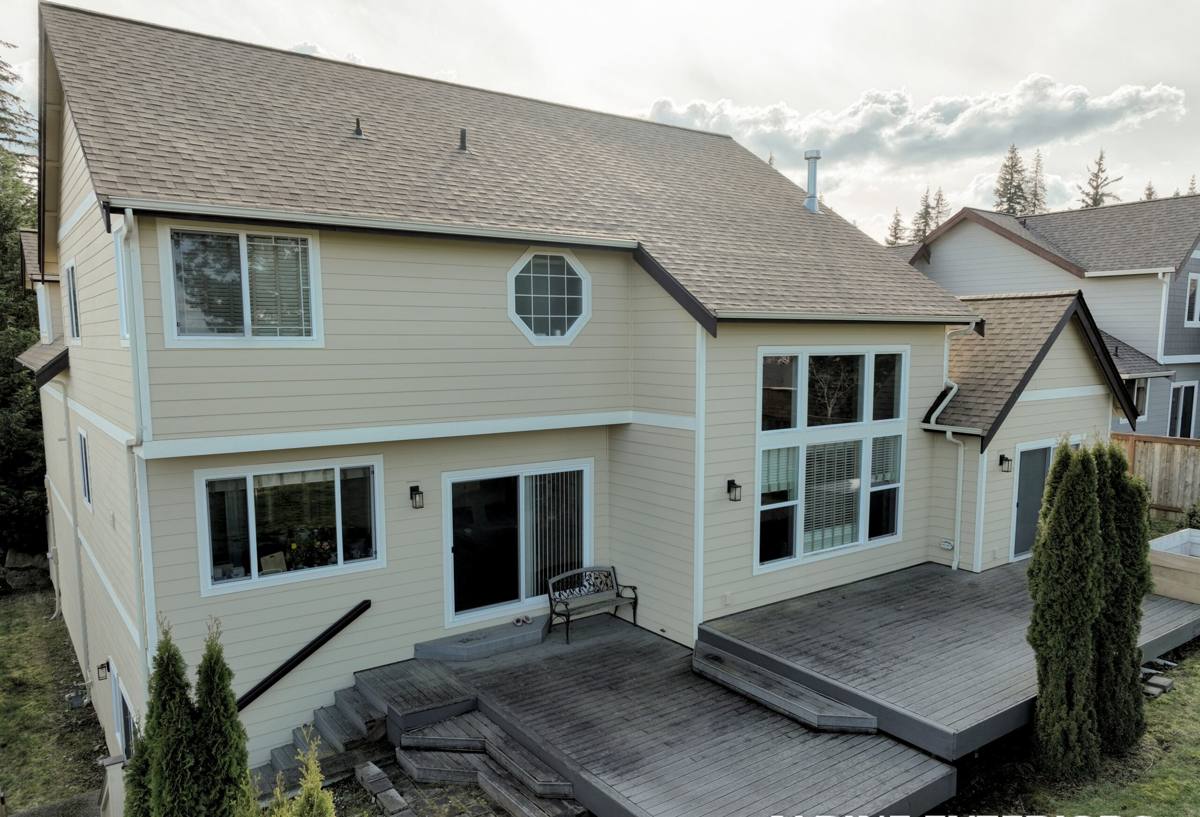
Choosing a Decking Material That Actually Holds Up on the Island
There's no single "best" decking material for every home, but some options make more sense than others this close to the Gulf. The right choice depends on your budget, how much upkeep you're willing to do, and how the deck will be used.
| Material | Salt & Moisture Behavior | Maintenance | General Cost Range |
|---|---|---|---|
| Pressure-treated pine | Prone to cupping, splintering, and fastener corrosion staining if not sealed regularly | Needs cleaning and resealing every year or two | Lowest upfront cost |
| Tropical hardwood | Naturally dense and rot-resistant, but sensitive during installation and can check or crack in constant sun if not oiled | Periodic oiling to maintain color and prevent surface checking | Mid to upper range |
| Capped composite | Strong resistance to salt, moisture, and UV fading when it's a quality capped product | Occasional washing, no sealing or staining | Mid to upper range |
| Uncapped or budget composite | More prone to moisture absorption at cut edges and surface fading in constant sun | Low, but shows wear sooner near the coast | Lower to mid range |
| PVC decking | Excellent moisture and salt resistance since it contains no wood fiber | Very low, occasional washing | Upper range |
As a general guide, a straightforward ground-level platform deck runs a few thousand dollars, while a large elevated multi-level deck with premium composite or PVC decking, custom railings, and built-in features can run well over $30,000. Your actual number depends on size, height, material, and how much of the old structure has to come out first.
Framing and Fasteners: What's Underneath Matters More Than What's On Top
A beautiful deck surface on a weak or corroding frame is a short-term win and a long-term problem. Most of what determines whether a deck lasts on a coastal property is buried under the boards, where nobody looks until something goes wrong.
Fasteners and Connectors
We use stainless steel or coastal-rated, heavy hot-dip galvanized fasteners and structural connectors on decks in this area, not the standard-grade hardware that's fine for an inland build. It costs more up front, but it's the difference between hardware that's still solid in fifteen years and hardware that's rusting through in five.
Ledger Attachment and Flashing
The ledger board, the piece that ties the deck to your house, is the single most important connection on the whole structure and also the most common source of hidden rot when it's done wrong. Proper flashing and a waterproof membrane between the ledger and the house band board keep wind-driven rain from getting trapped against your home's structure. We treat this step as non-negotiable, even though it's invisible once the deck is finished.
Florida Building Code, Wind Loads, and Permits in Pinellas County
Pinellas County falls within a design wind-speed zone under the Florida Building Code that's significantly higher than what most of the country builds to, and an elevated or attached deck in Redington Beach needs to be engineered and built with that in mind, not just nailed together to look right. Most attached or elevated decks require a permit through the appropriate local building department, along with inspections at the footing stage and again once the framing is up, before decking can go down. Skipping that process might save time on paper, but it leaves you without a documented, inspected structure if you ever need to make an insurance claim or sell the home.
Guardrails, baluster spacing, and stair details on any deck above a certain height are also spelled out in code, and these aren't places to cut corners. They exist because deck failures involving railings are one of the more common and preventable injury causes in residential construction.
Design Choices That Make Sense for a Redington Beach Property
Beyond materials and structure, a handful of design decisions matter more on a barrier island lot than they would on a typical inland Largo property.
Elevation and Flood Considerations
Many properties on the island sit in a flood zone, and that affects how a ground-level or low deck should be built relative to your home's finished floor elevation and the surrounding grade. We factor this in during design so the deck ties in cleanly without creating a low spot that holds water against the house.
Orientation, Shade, and Wind Exposure
A deck facing straight into the prevailing Gulf breeze feels different than one that's tucked or partially shielded, and that affects everything from how comfortable it is to sit on in July to how much wind-driven rain it takes on during a storm. We talk through orientation, shade structures, and wind exposure as part of the design conversation, not as an afterthought.
Railings and Safety Code
Cable rail, glass panel, and traditional picket railings all perform differently in salt air and high wind, and each has its own maintenance profile out here. We'll walk you through the trade-offs for your specific layout rather than defaulting to whatever's easiest to install.
Our Process From Estimate to Finished Deck
- On-site assessment of your property, including existing structure condition, elevation, and access.
- Design conversation covering layout, material options, and railing style based on your budget and how you'll use the space.
- Engineering and permitting through the appropriate local building department, sized to your area's wind load requirements.
- Removal of any existing deck or structure that isn't salvageable, done cleanly with attention to what's underneath.
- Framing with coastal-rated fasteners and connectors, followed by a framing inspection before decking begins.
- Installing decking, railings, stairs, and any built-in features, with attention to fastener spacing and drainage.
- Final walkthrough with you to confirm everything meets the plan before we call the job done.
Keeping a Coastal Deck in Good Shape
Even a well-built deck needs some routine attention in a salt air environment. A short annual checklist goes a long way toward avoiding bigger repairs later.
- Rinse salt residue and debris off the surface and between boards periodically, especially after long dry stretches.
- Inspect visible fasteners, connectors, and railing posts once a year for early signs of corrosion or looseness.
- Check ledger flashing and the area where the deck meets the house after any major storm.
- Reseal or oil wood and hardwood decking on the schedule recommended for that specific product.
- Keep drainage gaps between boards clear of leaves, sand, and debris so water doesn't pool.
- Look for soft spots, discoloration, or rot near posts and the ledger board, since these are the first places problems show up.
Why It Matters That We Already Work in Redington Beach
We're based in Largo, and Redington Beach and the surrounding barrier island communities are part of our regular service area, not a special trip. That means we already know which materials and fastener grades actually hold up on island properties versus what looks fine on paper, we're familiar with the permitting expectations in this part of Pinellas County, and we can get back out to a job quickly if a storm rolls through and you want a structure checked over. A crew that treats a coastal deck the same as an inland one is setting you up for problems you won't see for a year or two, and by then it's a repair job instead of a quick fix.
If you're planning a new deck or replacing one that's showing its age, we're happy to come take a look and walk you through honest options for your property, with no pressure to sign anything on the spot. Fill out the form below to set up a free estimate.