 Largo Window
 Building Decks for Life on a Barrier Island
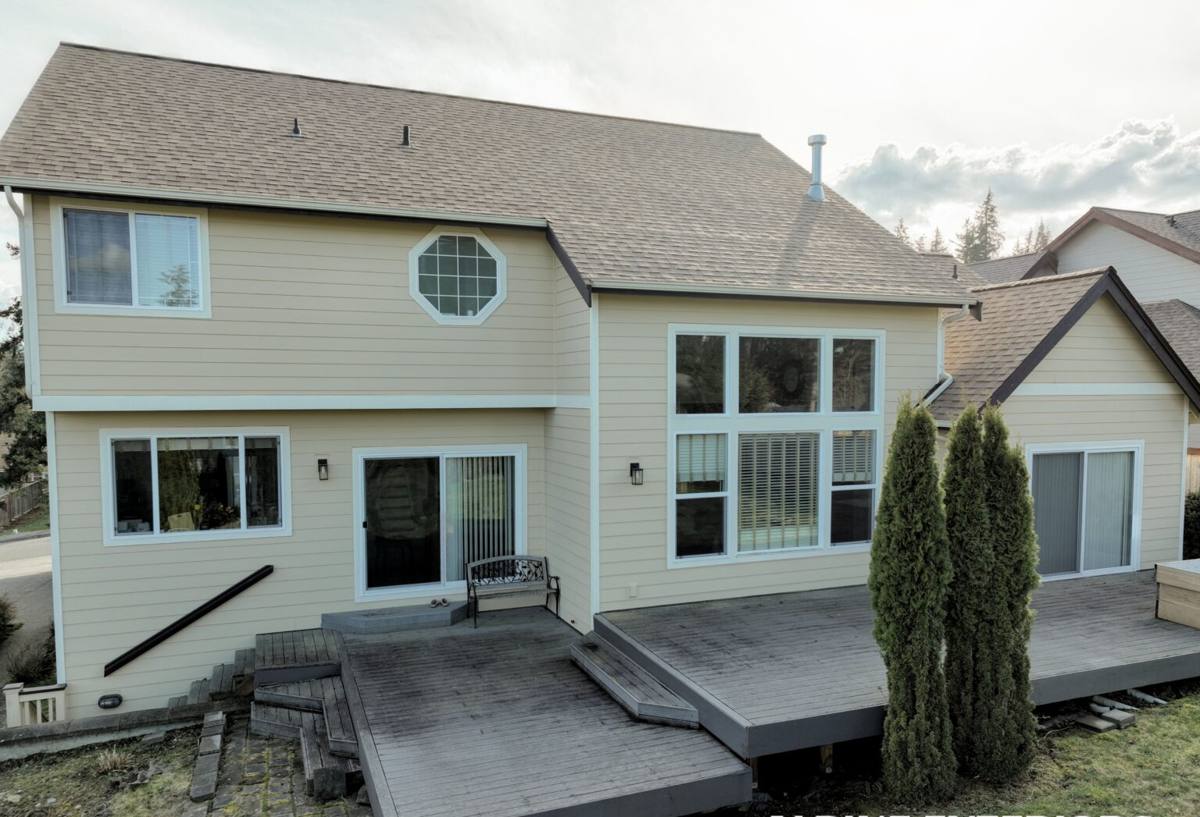
Indian Shores sits on a narrow strip of land between the Gulf of Mexico and the Intracoastal Waterway, and that location shapes almost every decision that goes into a deck built here. A deck on this stretch of Pinellas County isn't just an outdoor living space — it's an assembly of wood, fasteners, and connectors that has to survive salt-laden air, direct Gulf sun for most of the year, wind-driven rain, and the occasional hurricane-force gust, sometimes all in the same week. We build decks in and around Largo and the surrounding barrier island communities, and Indian Shores properties get a specific set of considerations that an inland deck simply doesn't face.
This page covers what actually goes into a deck built to hold up on Indian Shores: the materials that make sense here, the structural details that matter most, and the build process from first site visit to final walkthrough.
What Barrier Island Conditions Do to a Deck
Before talking about materials or methods, it helps to understand the specific stresses a deck faces this close to the Gulf.
Salt Air and Corrosion
Airborne salt travels much farther inland than most homeowners assume, and on a barrier island like Indian Shores it's a constant presence, not an occasional coastal breeze. Salt accelerates corrosion in any exposed metal — screws, joist hangers, bolts, and structural connectors — far faster than it would a few miles inland. A deck built with standard hardware can show rust and fastener failure within a few years here, even if the wood or decking itself still looks fine.
Year-Round UV Exposure
Florida sun is intense nearly twelve months a year, and a west- or south-facing deck near the Gulf gets very little relief. UV breaks down wood fibers, dries out natural oils, and fades or chalks composite decking surfaces over time. Materials and finishes that aren't rated for heavy UV exposure will show it early — graying, splintering, or surface degradation well ahead of a normal service life.
Wind-Driven Rain and Moisture Cycling
Storms here rarely bring rain straight down. Wind-driven rain gets pushed sideways and upward into joints, fastener holes, and end grain that a vertical downpour would never reach. Combined with high humidity, this creates a moisture cycling problem — wood and framing repeatedly wet and dry out, which is exactly the condition that causes rot, cupping, and fastener loosening over time.
Wind Load
Indian Shores sits in a high-wind coastal zone, and any structure attached to a home — including a deck — has to be built to resist uplift and lateral load during tropical storms and hurricanes. This affects everything from post spacing to how the ledger board attaches to the house to the hardware used at every connection point.
Decking Material Options for This Environment
There's no single "best" decking material for every home — it depends on budget, maintenance tolerance, and how close the deck sits to open water. Here's how the common options actually perform under Indian Shores conditions.
| Material | Salt Air Resistance | UV/Fade Behavior | Maintenance | Typical Lifespan Here |
|---|---|---|---|---|
| Pressure-treated pine | Fair — needs sealed, corrosion-resistant hardware | Grays without regular sealing | Annual cleaning/sealing recommended | 10-15 years with upkeep |
| Composite decking | Good — doesn't rot or corrode | Varies by product; capped composites resist fading better | Periodic washing, no sealing/staining | 20-25+ years |
| Tropical hardwoods (e.g., ipe) | Very good — naturally dense and rot-resistant | Grays to silver unless oiled regularly | Oiling every 1-2 years to maintain color | 25+ years |
| Aluminum decking | Excellent when properly coated | Stable, does not fade like wood | Low — occasional rinse | 25-30+ years |
We'll walk through these trade-offs honestly during your estimate — including upfront cost versus long-term maintenance — rather than pushing whatever has the best margin. On a barrier island property, we generally steer homeowners away from the lowest-grade treated lumber and unsealed hardwood, not because the material is bad everywhere, but because it demands more maintenance than most owners realistically keep up with in this climate.
What a Correct Deck Build Looks Like Here
Framing and Structure
The framing is what determines whether a deck survives its first serious storm season, and it's the part homeowners see the least once the decking boards go down. For Indian Shores builds, that means:
- Corrosion-resistant or stainless structural hardware — hangers, hurricane ties, and structural screws rated for coastal/salt exposure, not standard galvanized
- Ledger board attachment engineered for wind uplift, with proper flashing to keep water from getting behind it and into the house structure
- Post spacing and footing depth sized to local wind load requirements, not just minimum code for an inland lot
- Joist spacing tightened up where composite or thinner-profile decking is used, since those materials often need closer support than solid lumber
Fasteners and Connectors
This is where a lot of otherwise decent decks fail early on the coast. Standard exterior screws and galvanized connectors corrode faster in salt air than most homeowners expect, and once a fastener starts rusting, it weakens the connection long before it's visually obvious. We use hardware rated for coastal and marine-adjacent exposure throughout the structure, not just on the visible top surface.
Ledger and Waterproofing Details
Where the deck attaches to the house is the single most common point of hidden water damage. Proper flashing, correctly lapped and sealed, keeps wind-driven rain from working its way behind the ledger board and into the wall framing. This detail is invisible once the deck is finished, which is exactly why it has to be done right the first time.
Railings and Code Compliance
Railings need to meet Pinellas County building code for height and baluster spacing, and on wind-exposed sites the railing posts themselves need to be secured to resist lateral load, not just attached for looks. We handle permitting and inspection scheduling as part of the build so you don't have to track that down separately.
Our Process, Start to Finish
- Site visit and assessment — We look at sun exposure, proximity to open water, existing structure (for attached decks), drainage, and any visible corrosion or moisture issues on the home itself.
- Material and design discussion — We go over decking material trade-offs, layout, railing style, and any code or HOA considerations specific to your property.
- Written estimate — A clear scope of work and pricing, so you know what's included before anything is signed.
- Permitting — We handle the permit application and coordinate required inspections with Pinellas County/local jurisdiction as applicable.
- Demolition (if replacing an existing deck) — Removal of old decking and, where needed, assessment of the existing substructure for reuse or replacement.
- Framing and structural work — Footings, posts, ledger attachment, and joist framing with corrosion-resistant hardware throughout.
- Decking, railing, and finish work — Installation of the chosen decking material, railings, stairs, and any trim or skirting.
- Final walkthrough and inspection — We review the finished deck with you and confirm final inspection sign-off where required.
Cost Factors to Expect
Every deck is priced based on its own footprint, height, material choice, and site conditions, so we won't quote a number here that doesn't apply to your situation. What we can tell you is what tends to move the price:
| Factor | Why It Matters |
|---|---|
| Decking material | Composite and hardwood cost more upfront than treated pine but need less long-term maintenance |
| Deck height and footing depth | Taller decks and deeper footings (often required near the coast) mean more structural work |
| Hardware grade | Coastal-rated fasteners and connectors cost more than standard hardware but last significantly longer here |
| Size and layout complexity | Multiple levels, angles, or built-in features (benches, planters) add labor |
| Railing style | Cable, glass, or custom railing systems cost more than standard baluster railing |
| Demolition of an existing deck | Removing and hauling away an old structure adds to the scope versus new construction |
Maintaining a Deck on Indian Shores
Even the right materials and construction need some ongoing care in this environment. A short, realistic maintenance routine goes a long way toward getting the full lifespan out of a coastal deck:
- Rinse salt residue off the deck surface and railings periodically, especially after storms
- Inspect fasteners and connectors annually for early signs of corrosion, particularly on ledger and post connections
- Reseal or re-oil wood decking on the manufacturer's recommended schedule — skipping this is the number one cause of early wood deck failure here
- Check flashing at the ledger board periodically for gaps, cracking, or signs of water intrusion into the house wall
- Clear debris from between boards and around footings to keep water moving off the deck instead of pooling
We can walk you through a maintenance schedule specific to whatever material you choose during your estimate.
Why Local Experience on Indian Shores Matters
A deck built to generic inland specifications doesn't hold up the same way here. Crews unfamiliar with barrier island conditions sometimes use standard hardware, skip corrosion-rated fasteners, or underestimate wind load requirements because those shortcuts don't show up as failures for a year or two. By the time a homeowner notices rust bleeding through decking or a loose railing post, the underlying hardware and framing damage is often already done.
Working across Largo and the surrounding Pinellas County coastal communities, we've built and repaired enough decks in this exact environment to know which materials and details are worth the extra cost and which corners genuinely cannot be cut. That's the difference between a deck that needs major work again in five years and one that's still solid in twenty-five.
Get a Free Estimate for Your Indian Shores Deck
If you're planning a new deck or replacing one that's showing its age, we're happy to take a look and give you an honest, no-pressure estimate. Fill out the form below and we'll set up a time to assess your property and talk through the right approach for your home.