 Largo Window
 Deck Repair for Indian Rocks Beach Homes
Indian Rocks Beach sits right on the barrier island, which means every deck out here takes a beating that decks ten miles inland never see. Salt spray, constant sun, and the occasional hurricane or tropical storm push wood, fasteners, and railings past their limits faster than most homeowners expect. We're a Largo-based crew that works this stretch of Pinellas County regularly, and deck repair here is a different job than deck repair in a dry inland subdivision.
This page covers what actually goes wrong with decks in Indian Rocks Beach, what a proper repair involves, and how we approach the work so it holds up against the next storm season instead of failing again in two years.
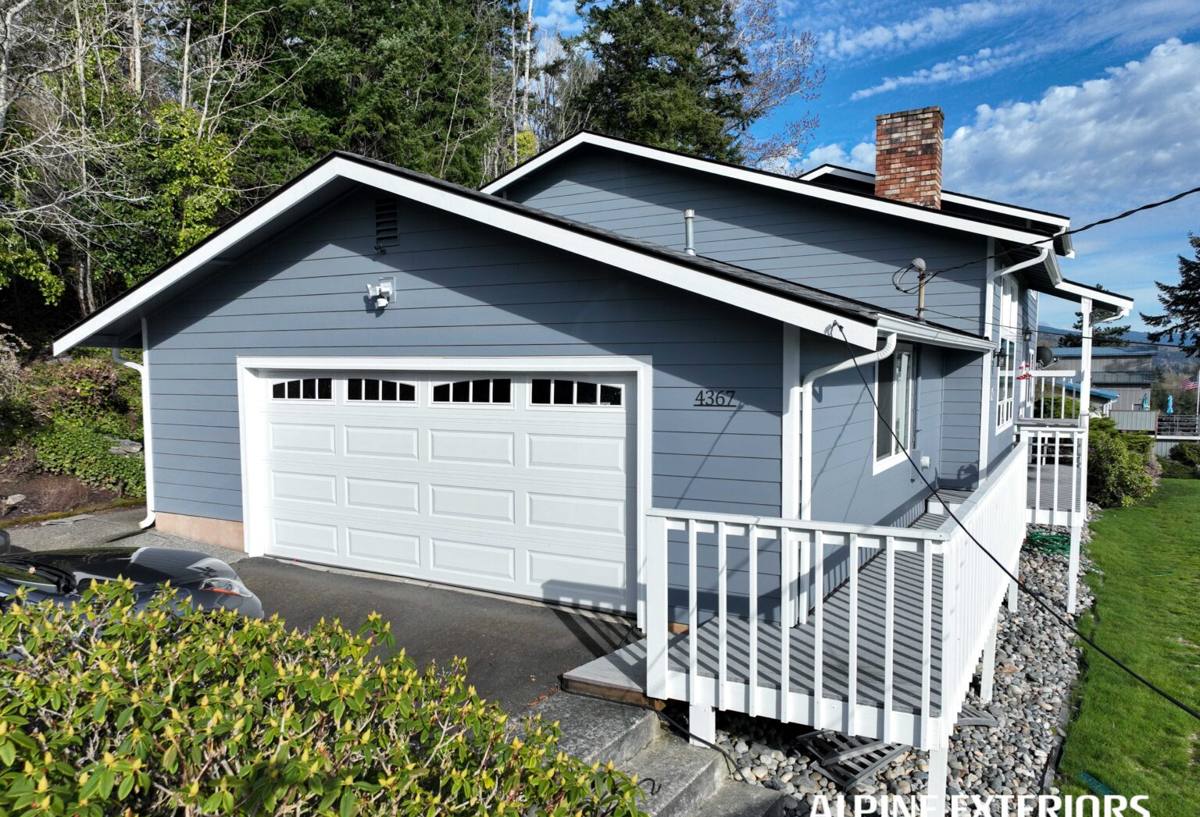
What Coastal Conditions Actually Do to a Deck
A deck built to a generic spec, or repaired with whatever lumber is on the shelf, does not last on the barrier island the way it would elsewhere. Four forces are working against your deck year-round:
Salt Air and Corrosion
Airborne salt from the Gulf settles on every exposed surface, including fasteners, joist hangers, and structural connectors. Standard galvanized hardware corrodes far faster in this environment than it does even a few miles inland. Once a fastener starts rusting, it loses holding strength long before the rust is visible from the top of the deck.
Intense, Year-Round UV
Florida sun breaks down wood fibers and dries out the natural oils that keep boards flexible. UV exposure is a big reason deck boards cup, crack, and splinter here well before their expected lifespan — sealants and stains that would last several seasons up north need to be reapplied much more often on the coast.
Wind-Driven Rain
Storms here rarely deliver rain straight down. Wind-driven rain gets forced sideways and upward, into joints, under railings, and behind ledger boards where water isn't supposed to reach. That's where hidden rot usually starts — not on the exposed top of the boards, but underneath, where nobody's looking.
Hurricane-Force Wind Loads
Pinellas County sees tropical systems most years, and a deck's railings, stair stringers, and ledger connection to the house are all structural elements that get tested during high wind events. A deck that looks fine in calm weather can still have undersized or corroded connections that won't hold up when wind loads spike.
Common Deck Problems We See in Indian Rocks Beach
- Rusted or failing fasteners — screws, nails, and joist hangers corroded to the point of losing grip strength
- Soft or rotted ledger board — the board that attaches the deck to the house, often the most critical and most overlooked structural piece
- Cupped, cracked, or splintering deck boards — sun and moisture cycling the wood repeatedly
- Loose or wobbly railings — a safety issue, and often the first sign of post rot below the surface
- Stair stringer wear — high-traffic, high-exposure areas that take direct weather
- Undersized or missing structural connectors — common on older decks built before current wind-load expectations
- Standing water or poor drainage — decks with no slope or blocked gaps trap moisture against the framing
Repair or Replace: How We Decide
Not every deck problem calls for a full rebuild, and not every repair is worth doing on a deck that's structurally past its prime. We look at the framing first, because that's what determines everything else.
| Condition | Usually Repairable | Usually Needs Replacement |
|---|---|---|
| Deck boards | A few cupped or split boards among otherwise sound decking | Widespread cracking, soft spots, or boards failing across most of the surface |
| Railings and posts | Loose railing, isolated post rot | Multiple posts soft at the base or railing system undersized for current code |
| Ledger board | Minor surface weathering, hardware upgrade | Soft, rotted, or improperly flashed ledger allowing water behind it |
| Framing and joists | Isolated joist sistering | Rot or corrosion affecting multiple joists or the main beam |
| Fasteners and hardware | Hardware swap while structure stays in place | Not a standalone reason to replace, but often surfaces bigger issues underneath |
If the framing is sound, targeted repair is almost always the right call — it's less disruptive and costs a fraction of a rebuild. If the ledger board or multiple joists are compromised, patching around the problem just delays a bigger failure, and we'll tell you that plainly.
Our Deck Repair Process
1. Full Structural Assessment
We start underneath the deck, not on top of it. That means checking the ledger connection, joist condition, post bases, and hardware — the parts that determine whether the deck is actually safe, not just whether it looks fine from the yard.
2. Honest Scope and Estimate
You get a clear picture of what's failing, what's still sound, and what your realistic options are. We don't pad a repair into a replacement, and we don't recommend patching something that's genuinely done.
3. Removal of Compromised Material
Rotted boards, corroded fasteners, and any framing that's lost structural integrity get removed — not covered over. Covering rot with new boards on top is the single most common shortcut that leads to a repeat repair within a year or two.
4. Rebuild with Corrosion-Rated Hardware
Given the salt air here, we use fasteners and connectors rated for coastal exposure, not standard interior-grade hardware. It costs a bit more up front and saves you from doing the same repair again in a few seasons.
5. Sealing and Weatherproofing
Any newly exposed wood, especially around the ledger and framing, gets properly sealed before it's closed back in. This is where a lot of rot problems start on decks that were "repaired" without addressing how water was getting in.
6. Final Walkthrough
We walk the deck with you, point out what was done and why, and flag anything worth keeping an eye on going forward — loose spots to watch, boards nearing the end of their life, that kind of thing.
Materials: What Holds Up on the Barrier Island
Material choice matters more here than in most parts of the country, simply because the environment is harder on everything. We'll talk through the trade-offs honestly rather than push whatever's easiest to install.
| Material | Strengths | Trade-Offs in This Climate |
|---|---|---|
| Pressure-treated lumber | Lower upfront cost, widely available, easy to repair in sections | Needs regular sealing/staining; UV and salt exposure shorten the interval between treatments |
| Composite decking | Resists rot and splintering, low maintenance on the surface | Higher upfront cost; framing underneath is still wood or metal and needs the same attention |
| Hardwoods (e.g., ipe-type species) | Very dense, naturally rot-resistant, long lifespan | Higher cost, heavier, and installation is less forgiving — mistakes are costly to fix |
| Structural hardware | Coastal-rated stainless or high-corrosion-resistant connectors last longest | Standard galvanized hardware corrodes noticeably faster this close to the Gulf |
There's no single "right" material for every deck — it depends on your budget, how the deck is used, and how much maintenance you want to keep up with. What matters most is that whatever material you choose, it's installed and fastened correctly for salt-air exposure, not just installed the same way it would be inland.
Permits, Codes, and What's Required
Structural deck repair work — anything involving the ledger board, framing, or railings — typically requires a permit and inspection under Pinellas County and Largo building code, especially given the area's wind-load requirements. This isn't a formality: it's the check that confirms your deck can actually handle the wind conditions this part of Florida sees. We handle the permitting process as part of the job so you're not left figuring out county requirements on your own.
Maintenance That Actually Extends a Deck's Life Here
A lot of premature deck failure on the island isn't from bad construction — it's from maintenance that would be fine inland but isn't frequent enough this close to the Gulf. A simple seasonal routine goes a long way:
- Rinse salt residue off the deck surface and railings periodically, not just after storms
- Reapply sealant or stain on wood decking more often than the product label suggests for inland use
- Check under the deck after major storms for standing water or debris trapped against framing
- Inspect railings and posts for movement at least once or twice a year
- Keep gaps between boards clear so water drains instead of pooling
- Have fasteners and hardware checked periodically, since corrosion often starts before it's visible
None of this replaces a real inspection, but it does slow down the wear and can catch small problems before they turn into structural ones.
Why a Crew That Already Works Indian Rocks Beach Matters
Deck repair on the barrier island isn't the same trade as deck repair in a dry inland neighborhood, even within the same county. A crew that regularly works Indian Rocks Beach and the surrounding Largo area already knows what corrosion-rated hardware to spec, what local code and permitting involves, and what a deck exposed to this much salt air and sun actually needs versus what a generic repair job would deliver. That familiarity means fewer surprises, a scope that's accurate from the start, and a repair built for the conditions your deck actually faces — not the conditions a standard spec sheet assumes.
If your deck has soft spots, loose railings, or you just want an honest read on its condition, we're happy to take a look. Reach out for a free, no-pressure estimate using the form below.