 Largo Window
 Dunedin Decks Face a Different Climate Than Most
Dunedin sits right on the Gulf side of Pinellas County, and that waterfront setting is exactly why a deck built here has to be engineered differently than one built inland. The same sun that makes Dunedin's outdoor living so appealing also bakes exposed wood and plastic surfaces for most of the year. Add in salt-laden air drifting off the water, wind-driven rain during summer storms, and the real possibility of hurricane-force winds during the season, and you have four separate stresses working against a deck at the same time. A deck that would hold up fine in a drier, cooler climate can start showing problems in Dunedin within a couple of seasons if it wasn't built with these conditions in mind from the start.
None of this means a custom deck is a bad investment here — it means the material choices, fastener grades, and structural details matter more than they would somewhere else. Getting those details right the first time is the difference between a deck that needs re-work in five years and one that's still solid in twenty.
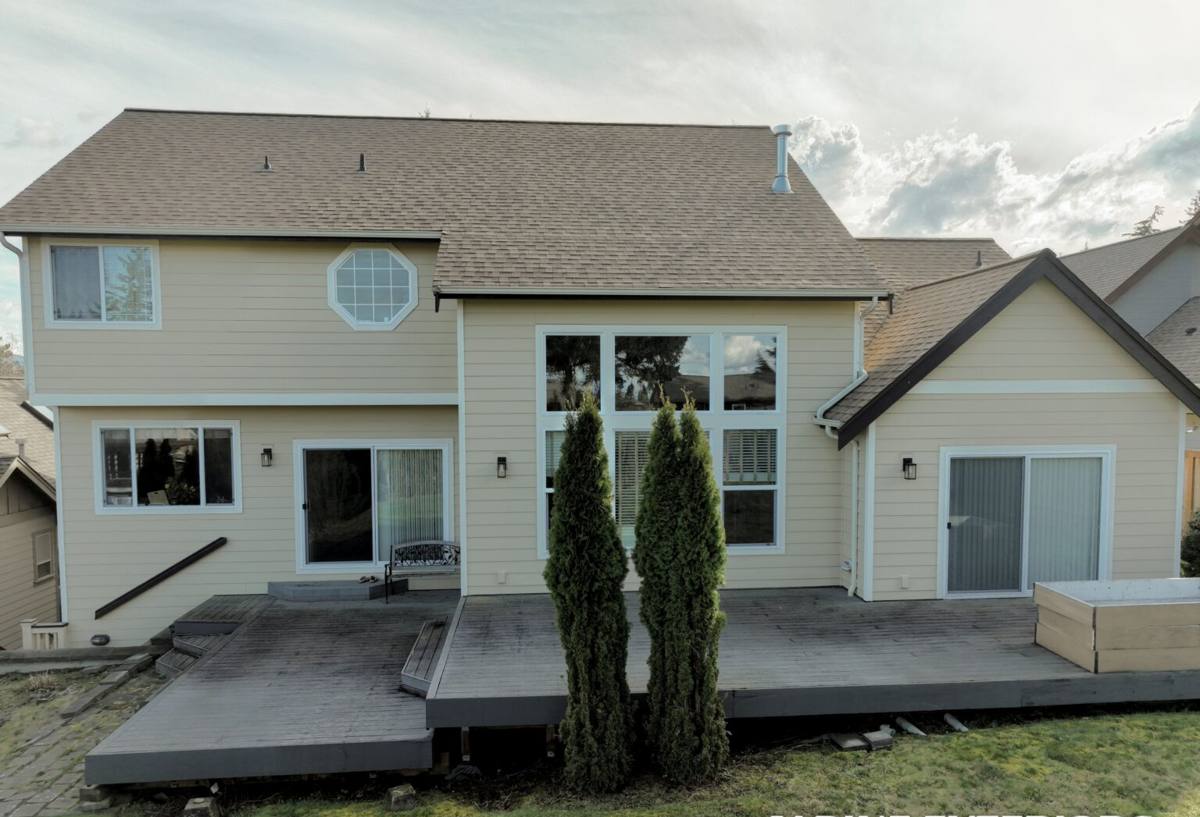
What Correct Deck Construction Looks Like in This Climate
A correctly built deck starts below the boards, not on top of them. In Pinellas County's sandy soils and high water table, footings need to be sized and set to the depth local code requires, not just "deep enough to feel solid." Ledger board attachment to the house has to be flashed properly so wind-driven rain doesn't work its way behind the ledger and into the home's structure over time — this is one of the most common failure points we see on older decks in coastal Florida neighborhoods, including here in Dunedin.
Framing Choices That Matter
Joist spacing, beam sizing, and post connections all need to account for the wind loads that apply to this part of the Gulf coast, not generic minimums. Hurricane clips, proper blocking, and correctly rated structural connectors aren't optional extras — they're what keeps a deck attached to the house and standing through a tropical storm rather than becoming debris in the yard.
Elevation and Drainage
Because heavy, sudden downpours are routine here, decks need grading and drainage planned in from the start so water sheds away from the house foundation instead of pooling under the structure, which accelerates rot and corrosion in ground-contact framing.
Choosing Decking Material for Sun and Salt Air
The decking surface itself takes the most direct abuse — UV, foot traffic, and salt exposure all hit it first. There's no single "best" material for every homeowner; it comes down to how much maintenance you want to do and what look you're after. Here's how the common options actually compare under Dunedin's conditions:
| Material | Sun/Heat Behavior | Salt Air Resistance | Maintenance |
|---|---|---|---|
| Pressure-treated wood | Fades and can check/splinter with prolonged UV exposure | Fair — needs sealing to resist salt and moisture intrusion | Annual cleaning and re-sealing recommended |
| Capped composite | Resists fading better than wood; some boards can get hot underfoot | Good — cap layer resists salt and moisture absorption | Occasional washing, no sealing or staining |
| PVC/cellular decking | Very stable in sun and heat; won't absorb moisture | Excellent — fully synthetic, no organic material to degrade | Low — periodic cleaning only |
| Tropical hardwood | Naturally dense and UV-resistant but will gray without upkeep | Good when properly sealed and maintained | Higher — periodic oiling to maintain appearance |
We'll walk through these trade-offs honestly during your estimate rather than pushing whichever product happens to be easiest to install. If you want a low-maintenance deck you can hose off and forget about, PVC or capped composite is usually the better call in a salt-air environment. If you value a natural wood look and don't mind the upkeep, we'll spec the right sealants and maintenance schedule to make it last.
Fasteners and Hardware: Where Coastal Decks Actually Fail
More coastal decks fail because of corroded hardware than because of bad decking boards. Standard galvanized fasteners can start showing rust streaks and losing holding strength faster near the Gulf than they would ten or twenty miles inland. That corrosion is often invisible until a board pulls loose or a railing post flexes.
| Hardware Grade | Typical Coastal Lifespan | Where We Use It |
|---|---|---|
| Standard electro-galvanized | Shortest — prone to early corrosion in salt air | We avoid this on exposed coastal structures |
| Hot-dip galvanized | Better corrosion resistance for structural connectors | Framing hardware, joist hangers, structural screws |
| Stainless steel (305/316) | Longest-lasting in direct salt exposure | Fasteners, railing hardware, fixtures closest to open air |
Matching the fastener to the decking material also matters — some composite and PVC products require specific screw types to avoid surface damage or void the manufacturer's warranty. We spec hardware by exposure and material, not by whatever's cheapest at the supply house.
Railings, Stairs, and Structural Connections
Railings take direct wind load and constant handling, so post connections need to be through-bolted into properly blocked framing rather than just screwed to the rim joist. Stair stringers need adequate support and correct rise-and-run to meet code and simply feel safe underfoot for years of use. On elevated decks or homes near open water, we pay extra attention to lateral bracing since these structures see more direct wind exposure than a low deck tucked closer to grade.
Permits, Codes, and Wind Load in Pinellas County
Custom decks in Pinellas County typically require a permit, and inspections check footing depth, structural connections, and railing height and spacing among other things. This isn't paperwork for its own sake — it's a built-in check that the deck was engineered for local wind and load requirements, not just built to "look right." A licensed local crew handles the permitting and inspection process as part of the job, so you're not left chasing down inspectors or correcting framing after the fact.
Our Process, Start to Finish
We keep the process straightforward and communicate clearly at each stage:
- Free on-site estimate — we look at your yard, discuss how you'll use the deck, and talk through material and layout options honestly.
- Design and material selection — you get a clear scope with the decking, hardware, and railing options spelled out, including trade-offs, not just a single price.
- Permitting — we handle the permit application and coordinate required inspections.
- Site prep and framing — footings, posts, beams, and joists go in first, built to the wind and moisture standards this area calls for.
- Decking, railings, and finish work — surface materials and hardware are installed to spec, with attention to fastener placement and gapping for drainage and expansion.
- Final walkthrough — we go over the finished deck with you and cover basic care before we consider the job done.
Maintaining a Deck in Dunedin's Climate
Even the most durable decking material benefits from a little regular attention in a salt-air, high-UV environment. A simple seasonal routine goes a long way toward protecting your investment:
- Rinse the deck surface periodically to clear salt residue, pollen, and debris before it builds up in board grooves
- Sweep or blow out debris from between boards and around railing posts to keep drainage paths clear
- Inspect railing posts and stair connections once or twice a year for looseness or early corrosion
- Reseal or oil wood decking on the manufacturer's or installer's recommended schedule — don't wait until it looks gray and dry
- Check under the deck after major storms for standing water or debris buildup against framing
- Watch for rust streaking around fasteners, which is often the earliest visible sign of hardware corrosion
Why a Crew That Already Works Dunedin Matters
A contractor who works this stretch of Pinellas County regularly already knows which decking products actually hold up a few blocks from the water versus a few miles inland, which fastener grades are worth the extra cost here, and what local permitting and inspection actually expect. That local experience shows up in details a homeowner might never think to ask about — flashing choices, hardware grade, drainage grading — but that determine whether a deck is still solid a decade from now or needs major repair in five years. Being based near Largo and working Dunedin regularly also means we're not learning the local wind and moisture conditions on your project; we already know them.
If you're considering a custom deck for your Dunedin home, we're happy to walk the property, talk through honest material options for your budget and how you'll use the space, and put together a straightforward estimate — no pressure, no obligation. Use the form below to get started.