 Largo Window
 Siding Installation in Dunedin: Building for Gulf Coast Weather
Dunedin sits on the Gulf side of Pinellas County, just north of Clearwater and a short drive from our home base in Largo. Homes here take on a specific combination of conditions that not every siding product, and not every installer, is built to handle: hurricane-force wind loads, some of the most intense year-round UV exposure in the country, wind-driven rain that gets pushed sideways into wall assemblies during storms, and salt air that works on exterior materials and hardware every day, not just during a named storm. This page covers what a Dunedin home actually needs from a siding installation, what a correct job looks like in this climate, and why hiring a crew that already works this part of Pinellas County matters more than it would somewhere inland.
We install siding, and we install exactly one system: James Hardie fiber cement. That is not a marketing position, it is a professional standard we settled on after seeing how different siding products actually perform, and fail, on Gulf Coast homes over time.
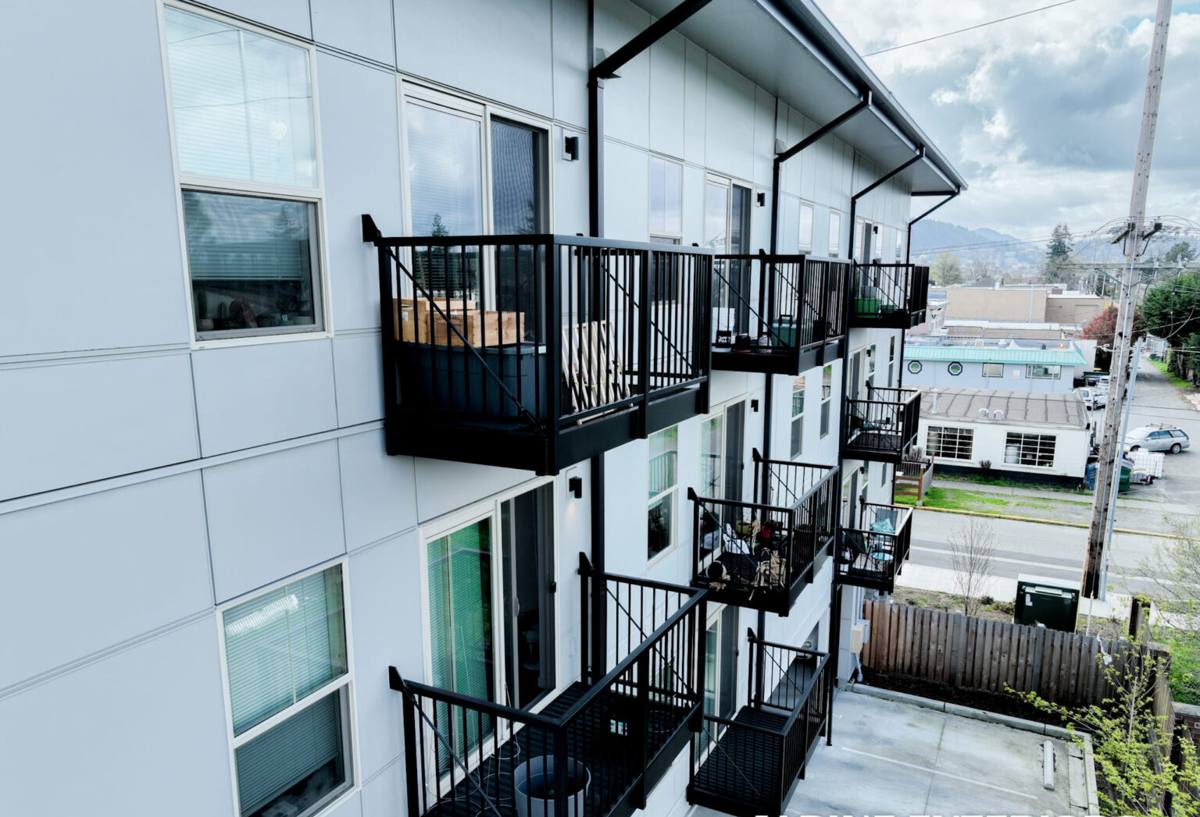
What Dunedin's Climate Actually Does to Siding
Hurricane-Force Wind Loads
Dunedin's exposure to the Gulf means wind is not a once-in-a-while design condition, it is something every siding installation on this stretch of coast has to be built for. Wind doesn't just push against a wall, it gets underneath loose panels and lifts, and it drives debris into siding that is either well fastened to spec or is not. A siding job that meets minimum code on paper but skips fastening details in practice is the kind of shortcut that shows up the first time a real storm comes through, not before.
Intense, Year-Round UV
Florida's UV load runs high nearly twelve months a year, not just in summer, and Dunedin's coastal position with limited tree cover on many lots means siding here takes close to full sun exposure for most of the day. UV breaks down lower-grade paints and coatings, fades color unevenly, and over years can make certain siding materials brittle or prone to cracking. A finish that's baked on at the factory under controlled conditions holds up to that load very differently than one that's field-applied and left to weather on its own.
Wind-Driven Rain
Storms coming off the Gulf rarely drop rain straight down. Wind pushes it sideways, into seams, trim joints, and anywhere a wall assembly has a gap, which is a very different load than the same rainfall total falling in still air. That sideways-driven moisture is exactly what a correctly lapped house wrap, properly flashed penetration, and sealed joint are designed to stop, and exactly what a rushed installation tends to miss.
Salt Air Corrosion
Dunedin's proximity to the Gulf and the intracoastal waterways means salt-laden air is part of the local environment, not an occasional coastal event. Salt accelerates corrosion in exposed fasteners, flashing, and trim hardware, and it wears down lesser coatings faster than a dry inland climate ever would. Fastener grade and hardware choice matter more here than they do a few miles inland, because the margin for a cut corner is thinner this close to the water.
Why We Only Install James Hardie Fiber Cement Siding
We don't install LP SmartSide, vinyl siding, Cemplank, Allura, primed spruce, or cedar. Each of those products has a place in the broader market and homeowners who are satisfied with them. Our decision not to install them on Dunedin homes comes down to how they hold up, or don't, against sustained Gulf Coast heat, humidity, wind, and salt exposure over years, not a supplier relationship or a sales angle.
- Non-combustible core: Fiber cement does not feed a fire the way wood-based or wood-fiber siding products can, which matters for both household safety and, in many cases, insurance considerations.
- Factory-applied ColorPlus finish: The color is baked on under controlled factory conditions instead of brushed or sprayed on site, which holds up far better against Dunedin's intense, near-constant UV exposure than a field-applied finish.
- Climate-engineered HZ product lines: Hardie's HZ5 formulation is specifically engineered for hot, humid, storm-prone climates like Florida's Gulf Coast, rather than a one-size-fits-all product sold nationwide.
- Dimensional stability: Fiber cement does not swell, cup, or warp the way engineered wood products can after repeated exposure to Florida humidity and wind-driven rain.
- Strong transferable warranty: Hardie backs its products with one of the stronger warranty structures in the siding industry, provided the installation follows their spec, which is a large part of why installation quality is not optional.
We would rather install one system we fully stand behind on every Dunedin home than offer a cheaper alternative that quietly shifts maintenance risk, and repair costs, onto the homeowner a few storm seasons down the road.
What a Correct Siding Installation Involves Here
James Hardie siding only performs the way it's designed to when it goes on correctly, and in a wind- and moisture-exposed area like Dunedin, the installation details matter more than they would in a milder inland climate. A few of the basics we treat as non-negotiable:
- A drainage plane and properly lapped house wrap behind the siding, so any moisture that does get past the exterior surface has somewhere to go instead of sitting against the wall sheathing
- Fastener type, length, and spacing that match Hardie's specification for this wind zone, not a generic fastening schedule pulled from a milder-climate install
- Flashing at every window, door, and penetration, lapped to shed water downward and outward against sideways-driven rain
- Sealed butt joints and trim transitions, since open or poorly sealed joints are where wind-driven moisture and salt air find their way behind the siding first
- Correct panel and board clearance from grade, roofing, and other transitions, so water has a clear path away from the wall assembly rather than pooling against it
- Installation practices that meet or exceed Florida's building code wind-resistance requirements for this part of Pinellas County, not just the statewide minimum
None of this is exotic or optional. It's the manufacturer's own installation specification, followed consistently on every wall, including the parts that are harder to inspect once the job is finished and the siding is up.
How Our Process Works
Site Visit and Assessment
We start by walking the property to look at the existing siding, or in a new-construction case, the wall assembly it will go over. That includes checking for any existing moisture damage, evaluating whether the project is a full tear-off or, in limited cases, an overlay, and looking at the home's specific exposure to sun, wind, and any nearby water. Two Dunedin homes on the same block can need different scopes once we're actually up close, which is why we don't put together real numbers over the phone.
Product and Color Selection
From there we walk through Hardie's HZ product lines, panel and board profiles, and ColorPlus color options, matching the selection to the home's style and to how much direct sun and salt exposure the specific lot gets. We'll be straightforward about which choices hold up best in a coastal Pinellas County setting versus which are better suited to more sheltered conditions.
Installation and Permitting
Siding work in Dunedin and the surrounding area falls under Florida's building code wind-resistance requirements, and permitting is handled as part of the job rather than left for the homeowner to sort out separately. Once permitted, installation follows the sequence above: drainage plane and house wrap first, then flashing at every opening, then the Hardie siding itself, fastened to spec, with trim and joint sealing completed as part of the same continuous process rather than treated as an afterthought.
Final Walkthrough
We finish every job with a walkthrough so you understand what the finished product actually needs from you going forward, which for correctly installed Hardie siding is very little beyond occasional washing, but is not literally nothing.
Siding Installation Cost Factors in Dunedin
| Factor | What It Affects | Gulf Coast Consideration |
|---|---|---|
| Tear-off vs. new installation | Labor time, disposal, substrate access | Hidden moisture damage behind older siding is more common this close to the Gulf |
| Home size and wall complexity | Material quantity, trim detail, install time | More corners, dormers, and transitions mean more flashing and sealing work |
| Substrate condition | Repair scope before new siding goes on | Wind-driven rain and salt air accelerate sheathing and framing damage if moisture got in previously |
| Product line and profile | Material cost, finish options | HZ5 formulation and ColorPlus finish hold up better against sustained UV and humidity |
| Fastening and flashing detail | Labor time, long-term performance | Wind-zone-rated fastening schedule is not optional this close to the coast |
These are general cost drivers, not a quote. Every Dunedin home carries a slightly different combination of sun exposure, wind exposure, and existing wall condition, so we walk the property before putting a real number on the work. We're cautious about any estimate given without that step, since it usually means someone is guessing.
Signs a Dunedin Home Needs New Siding
- Soft, spongy, or crumbling siding, especially low on the wall or around window and door trim
- Visible warping, buckling, or panels that have pulled away from the wall
- Peeling paint or a chalky, faded finish that keeps returning shortly after being addressed
- Staining or discoloration that suggests water is tracking down behind the siding rather than off of it
- Rust streaks around fasteners or trim, more common this close to the Gulf
- Rising energy bills that suggest the wall assembly is no longer doing its job
- Visible storm damage, even minor, after a season with named storms or strong wind events
Timing a Siding Project Around Dunedin's Weather
Hurricane season runs roughly June through November on the Gulf Coast, and while that doesn't mean siding work stops during those months, it does affect scheduling and how much lead time a project needs before storm season peaks. The drier, more stable stretches of the year generally offer the most predictable working conditions for tear-off and installation, since fiber cement, house wrap, and sealants all perform best when they can be installed and allowed to cure without a storm system moving through mid-project. That said, siding that's already failing, or a home with active moisture intrusion, is worth addressing on its own timeline rather than waiting for a particular season, since the damage doesn't pause for good weather either.
Why It Matters That We Already Work Dunedin
A crew based just down the road in Largo, working across this part of Pinellas County regularly, sees how wind, sun, rain, and salt air actually behave on real Dunedin homes over a full year, not just how a product performs on a spec sheet. That familiarity shapes decisions on install day: which walls take the most direct storm exposure, where extra flashing attention pays off, and which fastening details are worth the additional time so a homeowner isn't dealing with a callback after the next tropical system moves through. Dunedin's Gulf-facing position isn't identical to more inland parts of the county, and a crew that treats it that way, rather than applying a generic approach everywhere, tends to leave homeowners with fewer surprises down the line.
Get a Free, No-Pressure Estimate
If your Dunedin home needs new siding, or you're not sure whether what you have is holding up the way it should, we're glad to take a look and give you a straightforward, honest assessment. Reach out using the form below to schedule a free estimate, with no pressure and no upsell script.