 Largo Window
 A Barrier Island Asks More of Its Siding
Belleair Beach sits on a narrow strip of land with the Gulf of Mexico on one side and the Intracoastal Waterway on the other, and that geography means every home here takes on a heavier weather load than a house a few miles inland in Largo or elsewhere in Pinellas County. Salt-laden air moves through the neighborhood constantly, not just during storms. Summer sun is direct and nearly year-round, with little seasonal relief. And when a tropical system tracks anywhere near the central Gulf Coast, homes on a barrier island like this one are among the first to feel hurricane-force wind and wind-driven rain pushed sideways into every seam, joint, and fastener point on the exterior.
Siding on a Belleair Beach home isn't cosmetic — it's the first line of defense for the wall assembly behind it. We install James Hardie fiber cement exclusively, and this page is about what that means specifically for a Belleair Beach project: what the local climate actually does to a home's exterior, what a correct fiber cement installation involves, and why hiring a crew that already understands this stretch of coastline matters as much as the material itself.
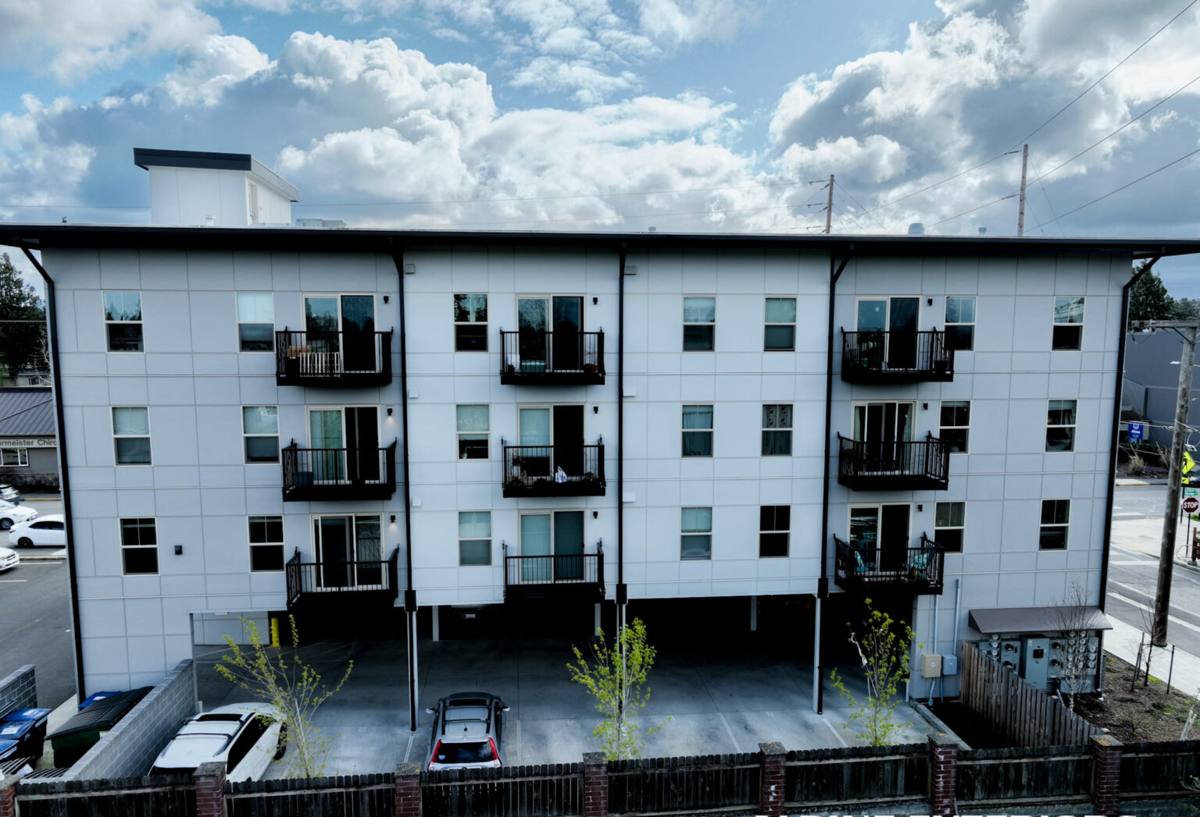
What Belleair Beach's Climate Actually Does to Siding
Salt Air, Constantly
Unlike homes further inland, Belleair Beach properties sit close enough to open water that salt aerosol is part of the daily environment, not an occasional event. Salt film settles on exterior surfaces, accelerates corrosion on exposed metal fasteners and trim, and speeds up the breakdown of finishes that weren't formulated to resist it. Over years, that steady exposure is harder on a home's exterior than an occasional storm.
Intense, Nearly Year-Round UV
Pinellas County gets strong sun for most of the year, and a barrier island with little tree canopy and open exposure on multiple sides gets more of it, more directly, than a shaded inland lot. UV breaks down pigments and resins in coatings over time, which is why the durability of a siding's finish — not just the substrate underneath — matters so much here.
Wind-Driven Rain and Hurricane-Force Wind
When storms come through, Belleair Beach takes wind and rain more directly than communities set back from the coast. Rain doesn't fall straight down in these events — it gets driven sideways into laps, seams, and any gap in flashing or fastening. A siding system that isn't installed with correct clearance, lapping, and sealing at every penetration is far more likely to let water behind the cladding during exactly the kind of event that matters most.
Humidity That Never Fully Lets Up
Gulf Coast humidity stays elevated most of the year, which means any material with poor moisture stability — one that swells, cups, or holds water at the seams — stays damp longer between rain events than it would in a drier climate. That extended damp period is what drives rot, mold growth, and finish failure over time.
Why We Install Only James Hardie Fiber Cement Here
We don't install vinyl, LP SmartSide, primed wood, or other engineered siding products. That's not a marketing stance — it's a standard we settled on after years of working on Pinellas County homes and seeing which materials actually hold up to this specific combination of salt air, UV, and storm exposure, and which ones need more attention from the homeowner than they were sold on.
HZ5 Climate Engineering
James Hardie manufactures fiber cement in different formulations for different climate zones. Homes in our region receive the HZ5 product line, engineered specifically for high-humidity, high-moisture-exposure conditions. That's a real difference in the manufacturing specification, not a label — a fiber cement board formulated for a dry inland climate isn't built the same way as one meant to sit on a Gulf Coast barrier island.
Non-Combustible Material
Fiber cement is made from Portland cement, sand, and cellulose fiber, cured into a dense, stable board. It doesn't burn, and it doesn't soften or deform the way some other siding materials can under sustained heat exposure — a real consideration on homes near attached structures, grills, or fire pits that are common on coastal properties.
ColorPlus Factory Finish
Rather than relying on paint applied in the field, most of the Hardie siding we install carries the ColorPlus finish — baked on in multiple coats under controlled factory conditions no jobsite can replicate. It resists fading and chipping significantly better than field-applied paint, which matters most on a home taking direct, near-constant sun and salt exposure.
Dimensional Stability
Fiber cement doesn't expand and contract with humidity the way wood or wood-composite products do. Boards stay flat, seams stay tight, and the material doesn't telegraph movement through the finish the way a more moisture-reactive substrate can — a meaningful advantage on a barrier island where humidity rarely drops for long.
What a Correct Installation Looks Like on a Belleair Beach Home
The material is only half of what determines how a home's siding performs. The installation determines the rest, and on a barrier island exposed to hurricane-force wind, the margin for error is smaller than it would be on a more sheltered inland property. A correct James Hardie installation includes:
- A properly lapped and sealed weather-resistant barrier behind every panel, not house wrap stapled up and left as-is
- Correct clearance from grade, roofing, and decking, so the bottom edge of the siding isn't sitting in standing water or splash-back
- Fastener spacing and penetration depth that follow James Hardie's published specifications — critical for holding securely under hurricane-force wind loads without over-driving fasteners through the board
- Flashing installed at every horizontal transition — window heads, roof-to-wall intersections, and any point where a penetration breaks the plane of the wall
- Caulking used only where Hardie specifies it, not as a substitute for proper flashing and gapping elsewhere in the system
- Butt joints and panel seams gapped correctly to allow for the material's minimal but real movement, preventing cracking and finish failure at the joint
None of these details are exotic — they're published in James Hardie's installation manual. But skipping any one of them is exactly what turns a quality material into a siding system that starts failing at the seams within a few years, storm damage or not.
How We Approach a Belleair Beach Project
Assessment
We start by walking the exterior and identifying the specific conditions your home faces — which walls take the most direct salt and sun exposure, where existing moisture damage or fastener corrosion has already occurred, and what the current wall assembly looks like behind the existing siding once we can see it.
Removal and Substrate Check
Old siding comes off and the sheathing underneath gets inspected before anything new goes up. On barrier island homes, this step regularly turns up moisture damage that wasn't visible from outside — a reason to never skip a proper tear-off in favor of installing over existing siding.
Weather Barrier and Flashing
A correctly lapped weather-resistant barrier goes up first, followed by flashing at every window, door, and penetration. This layer does most of the actual water-management work in the wall assembly — the siding itself is the visible, durable outer layer, but the barrier behind it is what keeps incidental moisture from reaching the sheathing.
Hardie Installation
Panels or planks go up following James Hardie's fastening schedule and clearance requirements, with attention to correct gapping at every seam and joint given the wind exposure specific to a barrier island lot.
Final Detailing and Walkthrough
Trim, caulking only where specified, and a final walkthrough to confirm every transition — corners, window surrounds, roof lines — is finished correctly before we consider the job done.
Fiber Cement vs. Other Siding Approaches on the Coast
| Factor | James Hardie Fiber Cement | Vinyl | Primed Wood/Engineered Composite |
|---|---|---|---|
| Salt air resistance | Strong — dense, stable substrate with factory finish | Doesn't corrode, but finish chalks and fades faster under salt/UV combination | Moisture-sensitive; salt-accelerated fastener corrosion a concern |
| Wind performance | Engineered and tested for high-wind installation when installed to spec | Wind rating depends heavily on panel gauge and fastening pattern | Varies; wood-based products are less commonly wind-rated for hurricane zones |
| UV/finish durability | Factory-baked ColorPlus finish resists fade and chip | Color is through-body but chalks and fades under sustained UV | Fully dependent on the maintenance-cycle repainting |
| Moisture behavior | Dimensionally stable, doesn't swell or cup | Doesn't absorb water, but seams can loosen under thermal movement | Absorbs and releases moisture readily; prone to swelling at seams |
| Typical lifespan (installed to spec) | 30-50+ years | 20-30 years | Highly dependent on maintenance consistency |
This isn't a claim that other materials can't function on a Gulf Coast home — it's why, given everything Belleair Beach's exposure demands, we've standardized on Hardie for our own installation work.
Maintenance Expectations for a Coastal Hardie Installation
Fiber cement significantly reduces the maintenance burden compared to wood-based siding, but "low maintenance" doesn't mean "no maintenance" on a barrier island. A realistic upkeep routine includes:
- Periodic rinsing to clear salt residue and grime, especially on walls facing the Gulf or catching the most onshore wind
- A visual inspection after any major storm for loosened trim, shifted flashing, or impact damage
- Keeping irrigation and landscaping from spraying directly onto the base of the wall, which accelerates staining and finish wear at grade level
- Touch-up limited to areas of actual physical damage — not a routine repainting cycle, since the ColorPlus finish is engineered to outlast field-applied paint
Before You Hire: A Practical Checklist
Belleair Beach homeowners weighing siding replacement should ask any contractor the same set of direct questions before signing a contract:
- Are you a certified James Hardie installer, and can you show fastening and clearance specs for this specific product line?
- Is the finish factory-applied ColorPlus, or will it depend on field-applied paint after installation?
- What's the manufacturer's recommended clearance from grade, decking, and roofing for this material, and will the installation meet it?
- How will seams, corners, and every window and door penetration actually be flashed and sealed?
- Is the warranty full-value or prorated, and does it transfer to a future homeowner if the property sells?
- Do you pull the required Pinellas County or municipal building permit, and will the work pass inspection against current wind-load code?
Why the Crew Matters as Much as the Material
A quality fiber cement board installed poorly can still fail — a badly gapped joint or missed flashing detail shows up as cracking or water intrusion regardless of what's printed on the product data sheet. A crew that already works Belleair Beach and the surrounding barrier island communities has seen firsthand what this specific combination of salt air, sun, and storm exposure does to a home over time, and installs accordingly — correct fastener spacing for wind uplift, real attention to flashing at every transition, and no shortcuts on clearance from grade. That local, repeated experience is difficult to substitute with a general siding background alone.
Get a Straightforward Estimate
If you're planning a siding replacement or repair on a Belleair Beach home, we're glad to walk the exterior with you, point out the specific conditions your walls are dealing with, and put together a free, no-pressure estimate for a correctly installed James Hardie system.