 Largo Window
 Siding Built for the Clearwater Side of Pinellas County
Homes in the Clearwater area of Largo sit close enough to the Gulf that salt air is a daily fact of life, and far enough inland that afternoon storms still hit with full force. That combination is hard on exterior walls. Wood trim swells and rots at the joints, vinyl panels go brittle and fade within a few summers, and cheaper composite products can take on moisture at the edges long before the finish shows a problem. We install James Hardie fiber cement siding because it's the one product system we've found that holds up to this specific mix of UV load, humidity, and coastal air without turning into a maintenance project every couple of years.
This page is about fiber cement siding specifically for the Clearwater side of our Largo service area — what the local climate demands, what a correct installation actually involves, and why the crew doing the work matters as much as the material itself.
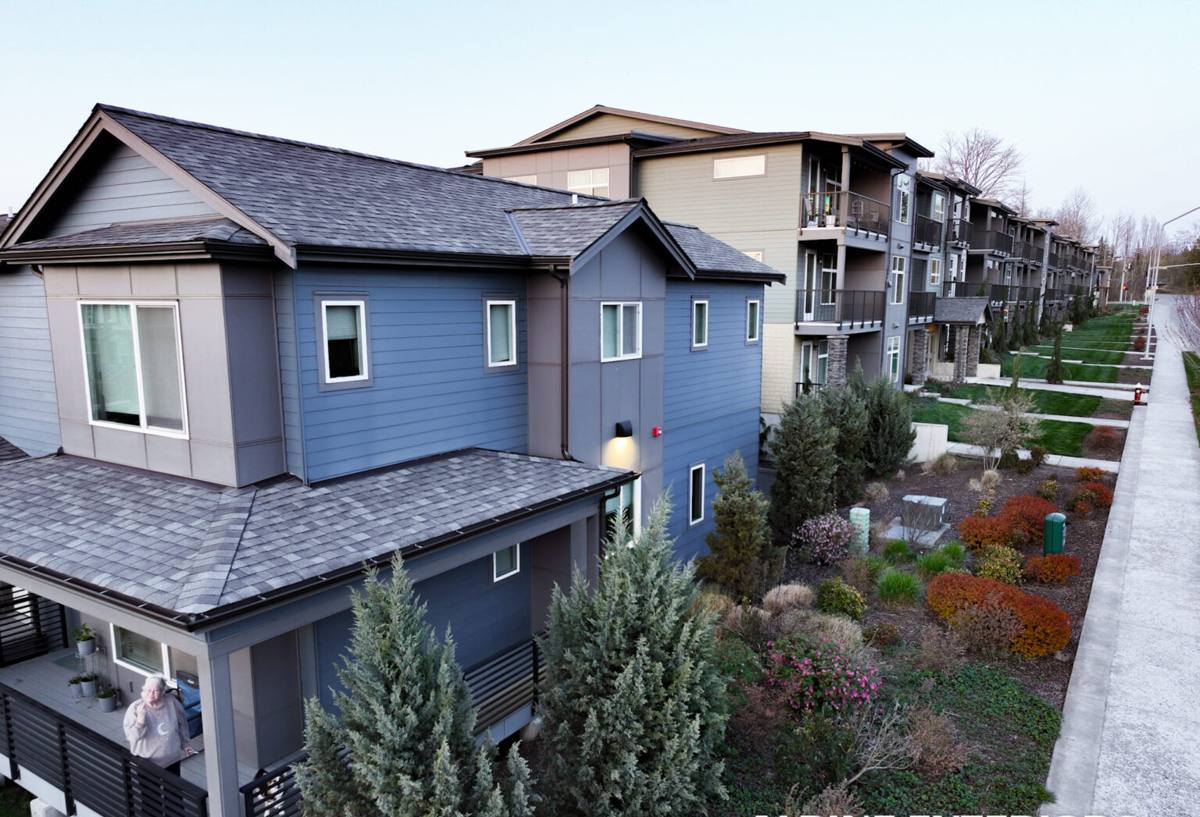
What Clearwater-Area Homes Are Up Against
Sun and UV Load
Pinellas County gets some of the most consistent, intense UV exposure in the continental United States. Painted wood and many vinyl and composite sidings chalk, fade, or become brittle under that kind of sustained sun. James Hardie's ColorPlus factory-applied finish is baked on and formulated to resist UV fading far longer than field-applied paint, which matters on a west- or south-facing wall that takes direct sun most of the day.
Salt Air and Moisture
Even homes that aren't waterfront still pull in salt-laden air off the Gulf, especially with the prevailing onshore breezes common to this part of Florida. Salt air accelerates corrosion on fasteners and trim, and it degrades organic materials — wood fiber, some composite cores — faster than it degrades cement-based products. Fiber cement doesn't rot, and it doesn't feed insects, which matters in a humid coastal climate where both are ongoing concerns.
Wind-Driven Rain and Hurricane Exposure
Largo and the surrounding Clearwater area sit in an active hurricane corridor. Wind doesn't just push rain sideways during a storm — it drives it into every seam, lap, and penetration in the siding system. A siding job that isn't flashed and sealed correctly at windows, doors, and corners will let water in eventually, regardless of what the panel itself is made of. Correct installation matters more here than almost anywhere else in the country.
Why We Only Install James Hardie
We don't install LP SmartSide, vinyl, Cemplank, Allura, or unfinished wood siding, and we're upfront about why. Every one of those products has legitimate uses somewhere in the country — but for this specific climate, we've standardized on one system rather than offering several with different trade-offs:
- Non-combustible core: fiber cement doesn't burn, unlike engineered wood siding.
- Climate-specific engineering: Hardie's HZ10 product line is formulated for hot, humid, high-moisture climates like ours, not a one-size-fits-all national product.
- Factory finish: ColorPlus coating is cured under controlled conditions, which holds color and resists cracking better than siding painted on-site or touched up in the field.
- Long track record in Florida: fiber cement has decades of proven performance in Gulf Coast conditions specifically, not just general durability claims.
- Warranty structure: a manufacturer warranty that's transferable to a new owner if the home sells, which matters for resale in an area with steady buyer turnover.
Vinyl is inexpensive and low-maintenance in mild climates, but it softens and can warp under prolonged direct sun and doesn't hold up as well in high-wind events. Engineered wood products like LP SmartSide perform well in drier regions but carry more moisture-management risk in a climate this humid. Unfinished wood and cedar look great on day one but demand a repainting and caulking schedule that most homeowners don't want to keep up with in Florida's climate. We'd rather install one product correctly than offer five products with compromises we'd have to explain away later.
What a Correct Fiber Cement Job Actually Involves
Fiber cement siding is only as good as the installation behind it. Most of the complaints we hear about siding failures — cracking, staining, moisture behind the panels — trace back to installation shortcuts, not the material itself. A correct job on a Clearwater-area home includes:
Substrate and Moisture Barrier
Old siding comes off and the sheathing gets inspected for rot or water damage before anything new goes up — a step that's easy to skip and expensive to regret. A code-compliant water-resistive barrier goes over the sheathing, lapped correctly so water sheds downward and out, not into the wall cavity.
Flashing at Every Penetration
Windows, doors, hose bibs, vents, and light fixtures all need proper flashing integrated with the barrier, not just caulk smeared over the gap. This is the single most common place we find prior installation shortcuts on homes we're re-siding in this area.
Fastening and Clearances
James Hardie specifies fastener type, spacing, and placement, and those specs exist for a reason in a hurricane-wind zone. Panels also need proper clearance from the ground, roofline, and other transitions so water doesn't wick up into the bottom edge.
Caulking and Paint Touch-Up
Cut edges get sealed per manufacturer spec, and any field-cut or touched-up areas get the correct matching paint system so the ColorPlus finish stays consistent and warrantied.
Our Process for Clearwater-Area Homes
- Walkthrough and assessment: we look at existing siding condition, trim, soffits, and any visible moisture or rot issues before quoting anything.
- Product and color selection: we walk through Hardie's plank, shingle, and panel options and the HZ10 line suited to this climate.
- Written estimate: scope, product, and timeline in writing, no pressure to sign on the spot.
- Tear-off and substrate check: old siding removed, sheathing inspected and repaired if needed before anything new goes on.
- Installation to manufacturer spec: barrier, flashing, fastening, and clearances done to Hardie's published requirements.
- Final walkthrough: we go around the house with you before calling the job done.
Cost Factors for Clearwater-Area Siding Projects
Every home is different, but these are the variables that actually move the price on a fiber cement job in this area:
| Factor | Why It Matters |
|---|---|
| Home size and wall complexity | More corners, gables, and dormers mean more cutting, flashing, and labor time |
| Substrate condition | Rotted sheathing found during tear-off adds repair cost before new siding can go on |
| Product line and profile | Lap width, shingle-style panels, and specialty trim cost more than standard lap siding |
| Color and finish | Factory ColorPlus finishes vary in price by color depth and product line |
| Access and site conditions | Tight lots, fencing, pools, or landscaping close to the house can add labor time |
| Existing siding removal | Multiple layers of old siding or trim add disposal and labor cost |
We give a written, itemized estimate before any work starts, so you know what you're paying for and why.
Signs Your Clearwater-Area Home May Need Siding Attention Soon
- Soft or spongy spots when you press on siding near the bottom edges or corners
- Visible cracking, warping, or bubbling, especially on sun-exposed walls
- Paint that's chalking heavily or peeling in sheets rather than wearing evenly
- Staining or dark streaks below seams or window trim, which often points to water intrusion
- Gaps opening up at corners, window trim, or where siding meets the roofline
- Rising energy bills that might point to a compromised wall assembly, not just an HVAC issue
None of these guarantee a full re-side is needed — sometimes it's a repair or a flashing fix — but they're worth having looked at before the next storm season.
Why Hiring a Crew That Already Works This Area Matters
Siding installed to a national baseline spec isn't the same as siding installed for Pinellas County's specific mix of sun, salt, and wind. A crew that regularly works Largo and the Clearwater area already knows which details matter most here — flashing at every penetration, correct fastener spacing for wind exposure, and getting cut-edge sealing right so ColorPlus performs the way it's supposed to. That local repetition is what separates a siding job that looks fine at handoff from one that's still performing a decade later.
If your Clearwater-area home is due for new siding, or you just want an honest read on whether your current siding still has good years left, we'll come take a look and give you a straightforward, no-pressure estimate. There's a form below — reach out whenever it's convenient.