 Largo Window
 Redington Beach Sits on the Front Line of Florida's Weather
Redington Beach is a barrier island community, which means every home here is closer to salt water, higher humidity, and stronger wind than a house just a few miles inland in Largo or Clearwater. Siding on this island isn't a cosmetic afterthought — it's the single largest weatherproof surface on the house, and it takes a beating every day of the year, not just during storm season.
Four forces work on Redington Beach siding constantly: hurricane-force wind gusts that test every fastener and seam, intense year-round UV that breaks down weak paint films and plastics, wind-driven rain that gets pushed sideways into laps and joints, and salt-laden air that corrodes metal and degrades anything not built to handle it. Siding that performs fine forty miles inland can fail years early out here. That's the starting point for every decision we make about material, product line, and installation detail on this project type.
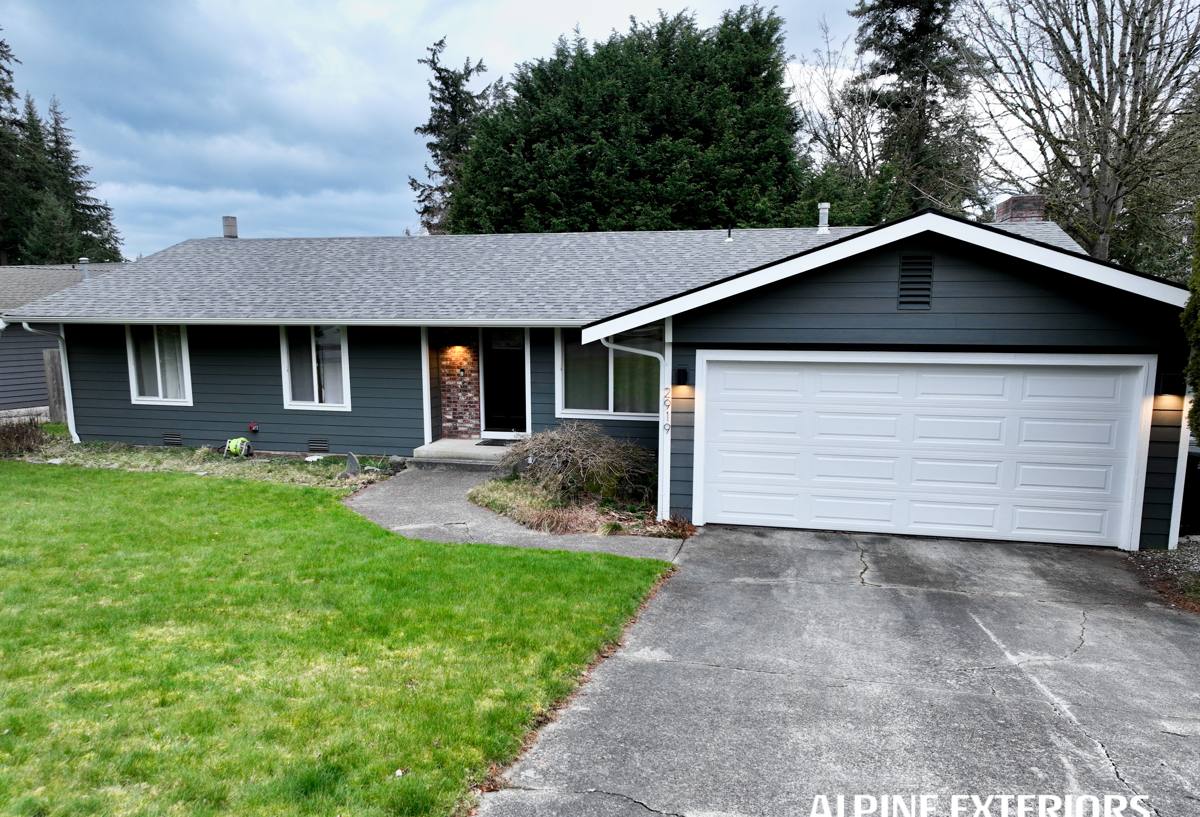
What "Correct" Fiber Cement Siding Looks Like on a Barrier Island Home
Fiber cement itself — a blend of Portland cement, sand, and cellulose fiber — is dimensionally stable, doesn't rot, doesn't feed pests, and is non-combustible. Those are the right baseline properties for a coastal climate. But the material alone doesn't make a coastal-grade siding job. Correct installation for a Redington Beach home involves a handful of details that matter far more here than they do inland:
- Fastener spacing and type rated for the wind load this location actually sees, not a generic inland spec
- Corrosion-resistant fasteners and flashing — stainless or hot-dip galvanized, not standard coated steel that rusts in salt air
- Proper starter strip, weather-resistant barrier, and rainscreen detailing so wind-driven rain that gets past the face of the siding has somewhere to drain instead of sitting against the sheathing
- Tight, correctly caulked or flashed joints at windows, doors, and trim — the places where wind-driven rain intrudes first
- Factory-applied finish rather than field-applied paint, so the color and sealant layer are consistent and warrantied rather than dependent on job-site weather during application
Skip any one of these and you still have "fiber cement siding" on the house — it just won't perform the way fiber cement is capable of performing this close to the Gulf.
Why We Only Install James Hardie
We install James Hardie fiber cement siding exclusively. We don't install LP SmartSide, vinyl, Cemplank, Allura, or primed wood species like spruce or cedar. That's not brand loyalty — it's a standard we hold because of what a barrier island climate does to a home over ten, twenty, and thirty years, and because Hardie is the manufacturer that engineers specifically for regions like this one.
HardieZone and the HZ10 Product Line
James Hardie manufactures different formulations for different climate zones under its HardieZone system. Pinellas County falls in the higher-humidity, higher-UV zone, and Hardie's HZ10 products are engineered for exactly these conditions — hot, humid, storm-exposed coastal regions. That's a meaningfully different product than a general-purpose fiber cement panel made for a drier or milder climate. When we spec Hardie for a Redington Beach home, we're specifying the version of the product Hardie itself designed for this exact environment.
ColorPlus Factory Finish
James Hardie's ColorPlus finish is baked on and cured at the factory under controlled conditions, with a finish system engineered to resist UV fading and hold up to coastal humidity. That matters directly here: intense year-round Florida sun is one of the fastest ways to break down a lesser paint job, and a factory finish removes the variability of field painting entirely.
Non-Combustible and Backed by a Real Warranty
Fiber cement is inherently non-combustible, which is a genuine safety advantage over vinyl or wood siding regardless of climate. On top of that, James Hardie backs its products with a manufacturer warranty that's transferable to a future homeowner — a real asset if a Redington Beach property changes hands, which happens often in a coastal resort market.
How Fiber Cement Compares to the Alternatives
| Material | Salt Air / Humidity Behavior | Wind & Impact Resistance | Long-Term Maintenance |
|---|---|---|---|
| James Hardie fiber cement | Engineered HZ10 formulation for humid coastal zones; won't rot or feed pests | Rated for high wind zones when installed to spec; rigid, impact-resistant | Factory ColorPlus finish; periodic caulk/inspection, no repainting cycle for years |
| Vinyl siding | Can warp, fade, and become brittle faster under intense sun and heat | Lower impact resistance; panels can crack or blow off in high wind | Low upkeep but shorter realistic lifespan in intense coastal sun |
| LP SmartSide (engineered wood) | Wood-based core is more moisture-sensitive; edge sealing is critical | Reasonable wind performance when installed correctly | Requires diligent moisture management and field-applied finish upkeep |
| Primed cedar or spruce | Natural wood; moisture and humidity exposure accelerate decay without vigilant upkeep | Moderate; more prone to splitting and fastener loosening over time | Ongoing repainting/resealing cycle, higher long-term labor cost |
This isn't a claim that other products are unusable — it's why, as a standard for this climate specifically, we've chosen not to install them.
What Drives the Cost of a Redington Beach Siding Job
| Factor | Why It Matters Here |
|---|---|
| Home size and wall complexity | More corners, gables, and dormers mean more cuts, flashing, and labor time |
| Existing wall condition | Salt-air homes sometimes have hidden sheathing or fastener corrosion that needs addressing before new siding goes on |
| Product line and profile | HZ10 lap, shingle, and panel styles vary in material cost and installation labor |
| Trim and accessory work | Corrosion-resistant trim, soffit, and fascia detailing add cost but protect the whole assembly |
| Access and site conditions | Canal-side, close-set, or elevated barrier island lots can affect staging and labor time |
We give exact numbers only after walking a specific house — anyone quoting a firm price sight-unseen for a coastal home isn't accounting for what's actually on the wall.
Our Process for Redington Beach Homes
The process doesn't change because a house is on the island, but the attention to a few steps does:
- Assessment — we inspect the existing siding, sheathing, and trim for moisture or corrosion damage before quoting anything
- Product selection — HZ10 Hardie lap, shingle, or panel profile and ColorPlus color matched to the home and any HOA or community guidelines
- Prep and moisture barrier — weather-resistant barrier and drainage detailing installed correctly the first time, since this is the layer you don't get to see again once siding goes on
- Installation — correct fastener type, spacing, and clearances for wind load, with corrosion-resistant hardware throughout
- Flashing and sealant detail — windows, doors, and penetrations sealed and flashed to shed wind-driven rain
- Final walkthrough — we review the finished work with the homeowner before calling the job done
Salt Air and Fasteners: The Detail Most Jobs Get Wrong
The single most common shortcut we see on coastal siding failures isn't the siding material itself — it's the fasteners and flashing behind it. Standard coated fasteners can start corroding within a few years this close to the Gulf, and once a fastener fails, the panel it's holding starts to move, which opens gaps for wind-driven rain. We spec corrosion-resistant fasteners and flashing as standard on every barrier island job, not as an upgrade option, because the alternative is a callback in five years instead of a home that's still solid in twenty.
Maintaining Fiber Cement Siding in a Coastal Climate
James Hardie siding is low-maintenance compared to wood or repainted alternatives, but "low-maintenance" isn't "no-maintenance" — especially this close to salt water. A simple annual routine keeps it performing the way it's designed to:
- Rinse salt residue off the siding periodically with a garden hose, especially on Gulf-facing walls
- Walk the exterior after major storms and check caulking around windows, doors, and trim for cracks or gaps
- Keep sprinklers and irrigation from spraying directly on the siding, which accelerates mineral buildup
- Trim vegetation back so air can circulate and moisture doesn't sit against the wall
- Call a professional if you notice soft spots, staining, or panels that seem loose — small issues are cheap to fix early and expensive to ignore
Why Hiring a Crew That Already Works This Island Matters
A contractor who mainly works inland Pinellas or Hillsborough neighborhoods isn't wrong about siding in general — they just haven't built the habit of treating every barrier island detail as non-negotiable. A crew that regularly works Redington Beach and the surrounding Gulf-front communities already knows to spec corrosion-resistant hardware without being asked, already understands how wind-driven rain behaves against a home this close to open water, and already has a track record with HZ10 product installation in exactly this climate. That local familiarity is the difference between siding that's technically installed and siding that's installed to actually last on this island.
If you're planning a siding project on your Redington Beach home, we're happy to take a look and walk you through what your house specifically needs. Reach out for a free, no-pressure estimate — there's a form right below this page.