 Largo Window
 Indian Rocks Beach sits on a narrow barrier island strip in Pinellas County, and that location puts an asphalt shingle roof through more than a typical inland Florida roof ever sees. Full Gulf wind exposure, sun that doesn't let up for most of the year, storms that drive rain sideways instead of straight down, and salt air working on every exposed fastener and flashing joint — it's a combination that ages a roof faster here than it would a few miles inland. Asphalt shingle roofing can absolutely hold up to that if it's specified and installed for the conditions it's actually going to face. Treated as a generic install, it won't last as long as it should, and the failures usually show up in the details rather than the shingles themselves.
Why Roofs Age Faster on This Stretch of Coast
A few things separate roofing work in Indian Rocks Beach from a standard job elsewhere in Largo or inland Pinellas County. The wind exposure is the biggest one — homes on or near the immediate Gulf front experience higher sustained wind speeds and stronger gusts during storms than properties set back from the water, which changes what wind rating a shingle needs and how it has to be fastened to meet it. The sun exposure is close to constant here, with little seasonal relief, which accelerates the breakdown of asphalt oils and granule adhesion compared to roofs in more moderate climates. And the salt air is a slow, steady process rather than a storm-event problem — it's working on nail heads, flashing metal, and vent hardware every single day, whether or not a named storm ever comes through.
None of that means asphalt shingles are the wrong choice for a barrier island home — they're a proven, cost-effective option here when the underlying materials and installation account for what the location actually does to a roof. It does mean a roofing job here needs to start with an honest look at exposure and code requirements, not a one-size-fits-all quote.
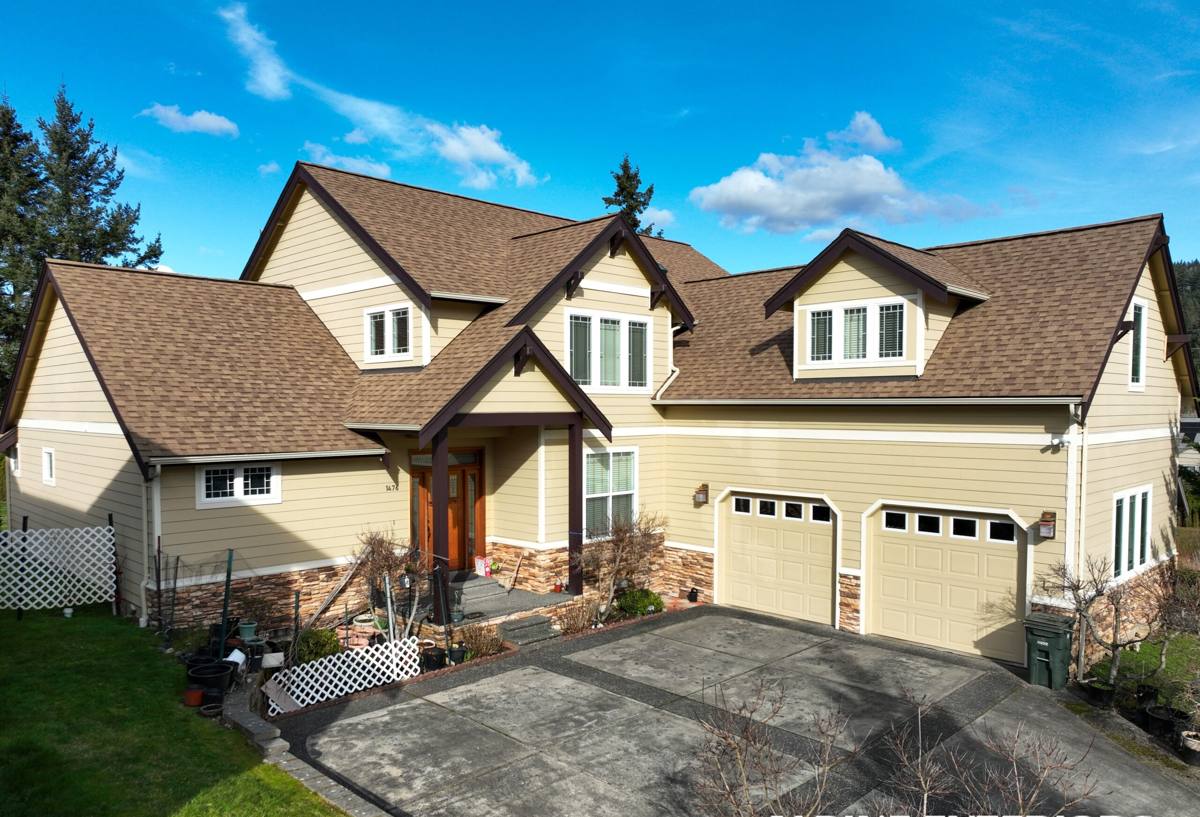
What the Climate Actually Does to a Shingle Roof
Hurricane-force wind events put direct uplift pressure on shingles, especially at the edges, ridges, and any spot where the nailing pattern was rushed or shingles weren't sealed down properly by the adhesive strip. Wind-driven rain during storms and even routine summer squalls pushes water at angles a roof rarely deals with inland, which is exactly why underlayment quality and flashing details around valleys, chimneys, and skylights matter more here than on a calmer-climate roof. Year-round UV breaks down the asphalt and granules faster, leading to earlier granule loss, brittleness, and a shorter effective lifespan than the same shingle would get in a cooler or cloudier region. And salt air corrodes exposed metal — nail heads, drip edge, flashing, and vent housings — well before the shingles themselves are due for replacement, which is why fastener and flashing material choice is part of a correct roofing plan here, not an afterthought.
Where Roofs Actually Fail First
It's rarely the field of the roof — the open expanse of shingles — that fails first on a well-installed coastal roof. It's the transition points: valleys where two roof planes meet, flashing around a chimney or skylight, the ridge where ventilation components are installed, and the edges where wind uplift concentrates. Those are the spots that decide whether a shingle roof makes it through hurricane season after hurricane season without a leak, or starts causing problems within a few years of installation.
Roofing Situations We See in Indian Rocks Beach
- Full roof replacements on older homes — original roofs on beach cottages and mid-century homes that have reached the end of their service life faster than an inland roof would
- Wind or storm damage repair — missing, lifted, or torn shingles after high-wind events, along with the underlayment and decking issues that can follow
- Insurance-driven reroofs — replacements tied to wind mitigation inspections, age-based non-renewal notices, or storm claims
- Flashing and valley leak repair — leaks at chimneys, skylights, and roof valleys that show up as interior water stains long before the shingles look obviously worn
- Ventilation upgrades — adding or correcting ridge and soffit ventilation on homes where trapped attic heat is shortening shingle life from underneath
- Additions and renovated roof lines — new roof sections that need to be tied into an existing roof correctly at the flashing and shingle transitions
What a Correct Job Involves
Inspection and Deck Assessment
We start by getting on the roof, not just looking at it from the ground. That means checking the condition of the decking underneath the existing shingles, since a barrier island roof with a history of leaks can have soft or delaminated plywood that needs replacing before new shingles ever go down. Skipping this step is one of the most common ways a new roof fails early — new shingles fastened to compromised decking won't hold the nailing pattern they're rated for.
Tear-Off and Prep
A full tear-off to bare decking is standard on most Indian Rocks Beach jobs, rather than layering new shingles over old. It's the only way to properly inspect and repair the deck, and it's usually required by code once a roof already has existing layers on it. Prep also includes clearing debris and setting up drip edge and starter courses correctly, which is where a lot of the roof's wind resistance actually comes from.
Underlayment
Given the wind-driven rain this area gets, underlayment quality matters more here than in a calmer market. We use synthetic or self-adhering underlayment appropriate to the roof's exposure, with self-adhering membrane at valleys and other vulnerable transitions where wind-driven rain is most likely to work its way underneath standard felt.
Shingle Installation and Fastening
The shingle itself matters less than how it's fastened. We install to the nailing pattern that matches the shingle's rated wind speed for the specific exposure of the home — that often means more fasteners per shingle than a builder-grade minimum install, especially on homes closer to the water. Getting this right is also what typically qualifies a roof for stronger wind mitigation credit on a homeowner's insurance policy.
Flashing, Ventilation, and Finish
Flashing at valleys, chimneys, skylights, and wall transitions is detailed and lapped correctly rather than relying on sealant to do the job flashing metal should be doing. We check that ridge and soffit ventilation is adequate for the attic space, since a roof that can't vent heat properly ages the shingles from underneath even with a perfect top-side install. Corrosion-resistant fasteners and flashing materials are standard practice here, given what salt air does to lesser-grade metal over time.
Quick Checklist Before You Hire
- Ask whether the job includes a full tear-off and deck inspection, not an overlay
- Confirm the shingle's wind rating and the nailing pattern that will actually be used for your exposure
- Ask what underlayment is specified, and whether valleys get a self-adhering membrane
- Get the flashing plan explained for any valleys, chimneys, or skylights on your roof
- Ask whether attic ventilation will be evaluated as part of the job, not just the shingles
- Confirm the permit will be pulled and a final inspection completed, and ask about wind mitigation documentation for your insurer
Our Process, Start to Finish
- On-site inspection — we assess the current roof, decking condition, flashing points, and ventilation, and evaluate the home's wind exposure
- Honest recommendation — repair versus full replacement, shingle and underlayment options that fit your roof and budget, explained in plain terms
- Permitting — we handle the reroofing permit required for work in Largo and unincorporated Pinellas County
- Tear-off and deck repair — old roofing removed down to the decking, with any rotted or delaminated plywood replaced before moving forward
- Underlayment and flashing — installed to handle wind-driven rain, with extra attention at valleys and roof penetrations
- Shingle installation — fastened to the pattern that matches the shingle's rated wind speed for your specific exposure
- Final inspection and cleanup — passed inspection, magnetic sweep for stray nails, and site cleaned up before we consider the job done
Shingle Options and Cost Factors
Not every asphalt shingle is built the same, and the right choice for a Gulf-front home in Indian Rocks Beach isn't always the same one that makes sense a mile inland.
| Shingle Type | Where It Fits |
|---|---|
| 3-tab shingles | Lower upfront cost, but generally carry a lower wind rating and shorter service life — usually a poor fit for direct coastal exposure |
| Architectural (laminated) shingles | Heavier, higher wind ratings, and better long-term performance in coastal conditions — our standard recommendation for this area |
| Impact-rated (Class 4) shingles | Added resistance to wind-borne debris; can qualify for additional insurance discounts depending on the carrier |
| Algae-resistant shingles | Copper-infused granules that resist the dark streaking common in Florida's humidity — worth it on most homes here regardless of exposure |
What Actually Moves the Price
| Factor | How It Affects Cost |
|---|---|
| Roof size and pitch | More square footage and steeper pitches mean more material and labor time |
| Deck condition | Rotted or delaminated plywood found during tear-off adds material and labor beyond the base quote |
| Number of valleys, chimneys, and skylights | Each penetration adds flashing detail and labor time |
| Shingle grade chosen | Architectural and impact-rated shingles cost more upfront than 3-tab but generally cost less over the life of the roof |
| Ventilation work needed | Adding or correcting ridge and soffit vents adds scope but protects the new roof from underneath |
Permits, Wind Mitigation, and Insurance
Reroofing work in Largo and unincorporated Pinellas County requires a permit, and the finished roof needs to pass inspection before the job is considered complete. That paperwork isn't just a formality — it's also what documents your roof for a wind mitigation inspection, which many Florida insurers use to set or adjust premiums. A roof installed to current code, with the right nailing pattern, a secondary water barrier where applicable, and documented compliance, can make a real difference on a homeowner's insurance costs on a barrier island property. We handle the permitting as part of the job and can provide the documentation your insurer or wind mitigation inspector will ask for.
Why Hiring a Crew That Already Works Indian Rocks Beach Matters
Shingle manufacturers write their installation instructions for average conditions, and a barrier island roof in Pinellas County rarely qualifies as average. A crew that doesn't work this coastline regularly can install a shingle correctly by the book and still miss the calls that actually matter here — how much extra fastening a specific exposure needs beyond the code minimum, where a self-adhering membrane is worth the added cost even when it's not strictly required, which flashing details tend to fail first on homes this close to the Gulf. Those are judgment calls built from doing this work in this specific environment, not something a spec sheet decides for you.
We work in Indian Rocks Beach and the surrounding Largo area regularly, which means we're not guessing at how a particular roof line, elevation, or exposure tends to hold up over time in this climate. That experience is what separates a roof that's still tight and performing after several hurricane seasons from one that starts leaking or losing shingles within a few years.
Maintaining a Shingle Roof in This Climate
Even a correctly installed roof benefits from periodic attention in a climate this demanding. Keep gutters and valleys clear of debris so water has a clear path off the roof during heavy rain. After any significant wind event, a quick visual check for lifted or missing shingles can catch a small problem before it becomes a leak. And having the roof looked at every few years, rather than only when there's an obvious problem, gives you a chance to catch flashing wear or granule loss while it's still a minor repair instead of a full replacement.
Ready When You Are
Whether your Indian Rocks Beach roof is showing its age, came through a storm with damage, or you're just planning ahead of your next wind mitigation inspection, it's worth having someone who works this coastline take an honest look before you commit to a repair or replacement plan. We offer free, no-pressure estimates for asphalt shingle roofing in Indian Rocks Beach and the surrounding Largo area — use the form below to get a time on the schedule.