 Largo Window
 Building Decks That Actually Hold Up on Indian Rocks Beach
Indian Rocks Beach living means outdoor space matters. Most homes here are built for it — screened lanais, pool decks, elevated porches, walkways to the beach access. But a deck on a barrier island isn't the same project as a deck fifteen miles inland. The same salt air and sun that make this stretch of Pinellas County so livable are also what break decks down early when they're built with the wrong materials or the wrong hardware. A custom deck built for Indian Rocks Beach has to be designed for the environment it's actually going into, not a generic spec sheet.
This page covers what a correctly built deck looks like out here: the materials that hold up, the parts of the structure most people never think about, the code requirements specific to this area, and how we approach the job from first visit to final walkthrough.
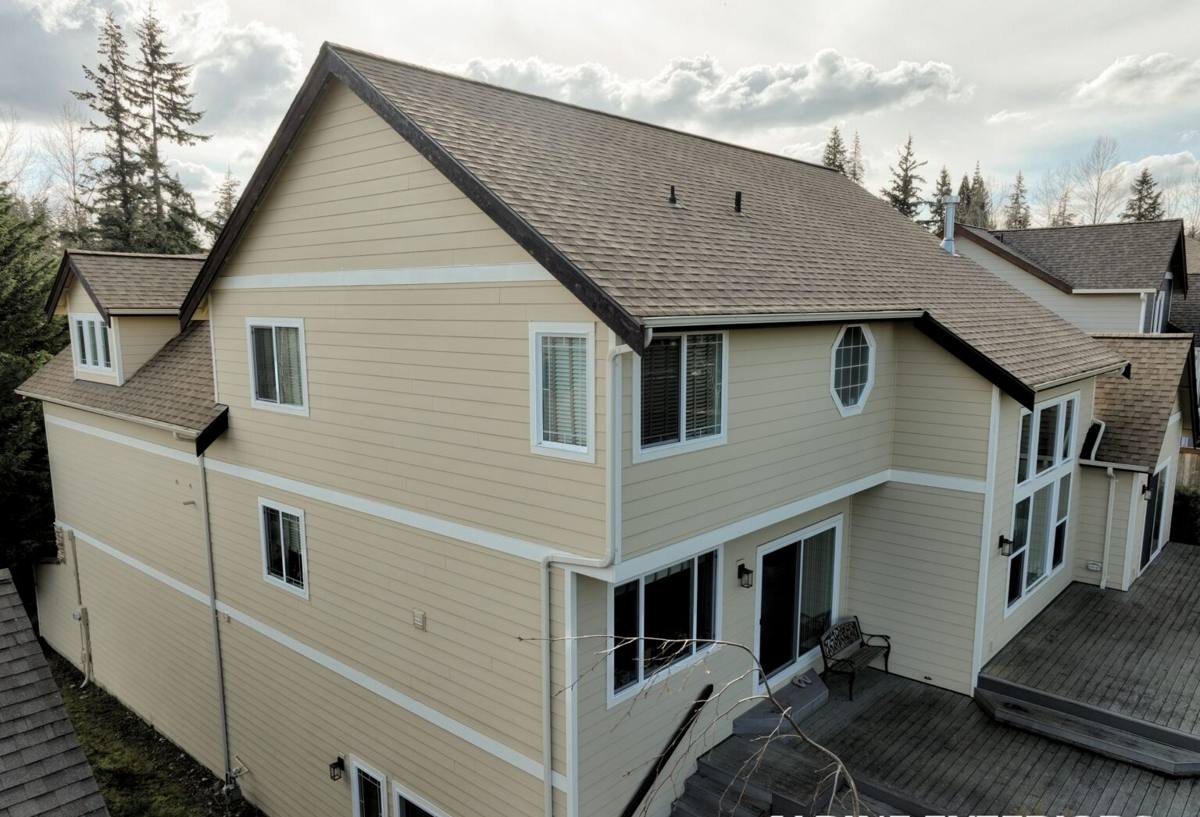
What Barrier Island Conditions Do to a Deck
Salt Air and Corrosion
Salt-laden air off the Gulf doesn't just sit on the surface of a deck — it works into every metal fastener, hinge, and bracket. Standard hot-dip galvanized screws and hangers that are perfectly fine a few miles inland will start rusting and staining within a couple of years this close to the water. Once a fastener starts to corrode, it loses holding strength long before it looks obviously bad, which is a structural problem hiding behind a cosmetic one.
UV and Sun Exposure
Florida sun is intense and constant, and a deck gets it from above with almost no relief most of the year. UV breaks down the surface fibers of wood decking, fades color-through composite boards over time, and dries out sealants and finishes faster than manufacturers' national warranty language usually accounts for. Decking that isn't rated or finished for heavy UV exposure will look tired well before it's structurally due for replacement.
Wind-Driven Rain and Moisture
Storms here don't just drop rain straight down — wind-driven rain gets pushed sideways and up under boards, into ledger connections, and around railing posts. Decks that aren't detailed with proper flashing, drainage gaps, and ledger waterproofing end up trapping moisture where it can't dry out, which is how rot and hidden hardware failure start, even on decks that look fine from the surface.
Hurricane-Force Wind Loads
Pinellas County sits in a high-wind design zone, and Indian Rocks Beach, being right on the coast, gets the full effect. A deck's framing, post connections, and railing system all need to be engineered to resist uplift and lateral load, not just support the weight of people standing on it. This is a code requirement, but it's also just good sense for anyone who wants their deck still attached to the house after the next named storm.
Decking Material Options for Indian Rocks Beach Homes
There's no single "best" decking material — the right choice depends on budget, maintenance tolerance, and how close the deck sits to salt spray. Here's how the common options actually compare in this environment.
| Material | Salt Air Resistance | Maintenance | Typical Lifespan Here | Relative Cost |
|---|---|---|---|---|
| Pressure-treated pine | Fair — needs consistent sealing | High (annual seal/stain) | 10–15 years | Lowest |
| Composite decking | Good to very good | Low (occasional wash) | 25–30 years | Mid-high |
| PVC/capped polymer | Very good | Low | 25–30+ years | Highest |
| Tropical hardwood (ipe, etc.) | Good | Moderate (periodic oiling) | 25+ years | High |
Pressure-treated wood is still a reasonable choice for homeowners who want the lowest upfront cost and don't mind the upkeep, but out here it needs real maintenance discipline — skip a couple of sealing cycles and salt air and UV will get ahead of you fast. Composite and PVC decking cost more up front but hold color and structural integrity with far less attention, which is why we see more of it going in near the water every year. Hardwood has real appeal for homeowners who want a natural look and are willing to keep up with oiling; it's not a low-maintenance product, but it ages well in coastal conditions when it's cared for.
Framing, Fasteners, and Hardware: The Part You Don't See
The decking surface is what people notice, but the framing underneath is what determines whether the deck is still safe in ten years. This is where a lot of decks built by crews unfamiliar with coastal work go wrong.
Ledger Board Attachment
The ledger board — where the deck ties into the house — is the single most important structural connection on most decks, and it's also the most common failure point when it's not flashed and fastened correctly. It needs proper flashing to keep wind-driven rain from getting behind it and lag or through-bolt fastening rated for the load, not just nailed on.
Fasteners and Hardware
In a salt air environment, we use stainless steel or coated fasteners and hardware rated for coastal exposure rather than standard galvanized products. It costs more upfront and is easy to cut corners on since it's invisible once the deck is finished — but it's the difference between hardware that lasts and hardware that's rusting through in a few years.
Posts, Footings, and Sandy Soil
Soil near the beach tends to be sandier and drains differently than inland soil, which affects how deep and how wide footings need to be to hold post loads and resist wind uplift. Footings sized for typical inland soil conditions can be undersized here.
Permitting and Code Requirements Around Largo and Indian Rocks Beach
Deck construction in Pinellas County requires a permit, and homes closer to the water — including much of Indian Rocks Beach — may fall within flood zone overlays that affect elevation and construction requirements. Wind load design, railing height (typically 36" minimum for most residential decks, more for elevated ones), guard spacing, and stair requirements are all governed by the Florida Building Code. A deck built without a permit can create real problems at resale, since it often has to be brought up to code or removed before a sale can close. We handle the permitting and inspection process as part of the job so homeowners aren't left navigating it alone.
Our Deck-Building Process
1. Site Visit and Assessment
We look at the house, the ledger connection point, drainage, sun and wind exposure, and how the deck will actually be used before recommending anything.
2. Design and Material Selection
We walk through material options honestly, including trade-offs on maintenance and cost, so the decision fits the budget and the way the space will be used — not just what looks good in a brochure.
3. Permitting
We pull the required permits and handle the documentation for Pinellas County and local jurisdiction requirements before construction starts.
4. Construction
Framing first, built to current wind load and connection standards, then decking, railing, and finish work. Ledger flashing and fastener selection are handled to coastal standards throughout, not just where it's visible.
5. Final Walkthrough and Inspection
The deck goes through required inspections, and we walk the finished project with the homeowner to go over care and any warranty details before calling the job done.
Design Considerations for Beach-Area Outdoor Living
Indian Rocks Beach homes often benefit from deck designs that account for the realities of the location: shade structures or pergola framing to make afternoon sun manageable, railing styles that don't block sightlines to water or open space, and layouts that account for salt spray reaching areas closer to the Gulf-facing side of the property. Elevated decks on homes in flood zones also need to be designed with proper under-deck drainage and ventilation so moisture doesn't get trapped beneath the structure.
Maintaining a Coastal Deck
Even a well-built deck needs some ongoing attention in this climate. A simple maintenance routine goes a long way toward protecting the investment:
- Rinse salt residue off the deck surface and railings periodically, especially after storms
- Inspect fasteners and hardware annually for rust staining or loosening
- Check ledger flashing and any caulked joints for cracking or gaps
- Reseal or restain wood decking on the manufacturer's recommended schedule
- Keep gutters and downspouts clear so runoff isn't dumping extra water onto the deck
- Trim back vegetation that traps moisture against framing or the house connection
Why Hire a Crew That Already Works in Indian Rocks Beach
A deck built by a crew that mostly works inland will often use standard fasteners, standard footing depths, and standard detailing because that's what works where they usually build. None of that is wrong in a typical inland yard — it's wrong here. A crew that regularly works Indian Rocks Beach and the surrounding Pinellas County coastline already knows which fasteners hold up, how local permitting and flood zone rules apply, and how to detail a ledger connection so it survives wind-driven rain instead of rotting from behind. That local knowledge doesn't show up on a quote, but it shows up in how the deck performs five and ten years down the road.
If you're planning a new deck or replacing one that didn't hold up, we're happy to take a look and talk through honest options for your property. Use the form below to request a free, no-pressure estimate.