 Largo Window
 Building New on a Barrier Island Changes the Window Job
Indian Rocks Beach sits on a narrow strip of land between the Intracoastal Waterway and the Gulf of Mexico, which means almost every new-construction project here is dealing with conditions that inland Pinellas County builds don't face to the same degree. Salt air moves through the neighborhood constantly, sun exposure is intense and year-round, and any storm that pushes through the Gulf brings wind-driven rain straight at the exterior walls. Windows going into a new build on or near the island need to be selected and installed with all of that in mind from day one, not treated as a generic product pulled from a catalog.
New-construction window work is also a fundamentally different job than replacing windows in an existing home. On a new build, the windows are set into a bare rough opening before the exterior finish goes on, which means the installer is responsible for getting the flashing, the water management, and the structural attachment right the first time — there's no existing wall system to lean on for reference, and mistakes made here get sealed behind stucco, siding, or trim and become very expensive to find later.
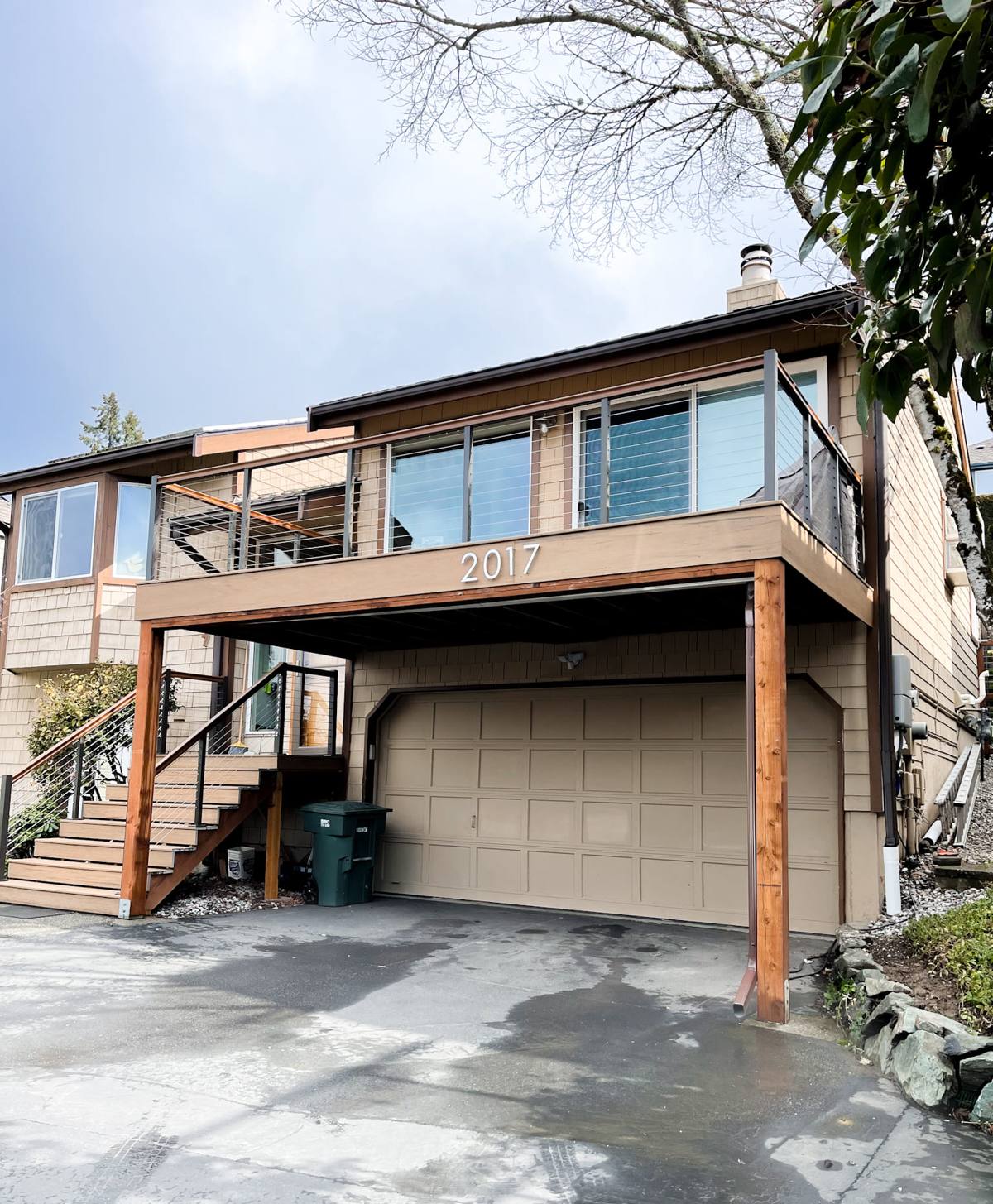
What Indian Rocks Beach Homes Need From Their Windows
Between the salt air, the UV load, and the wind exposure this close to open water, a new-construction window package for this area needs to handle a few things well:
- Resist corrosion on hardware, screws, and frame components exposed to salt-laden air
- Hold up to sustained, intense sun without the glass seals or frame finish degrading early
- Meet the wind load and, where applicable, wind-borne debris requirements for this part of Pinellas County
- Shed wind-driven rain without intrusion at the frame-to-wall connection
- Keep energy costs reasonable in a home that runs air conditioning nearly year-round
None of that is exotic, but it does mean the window selection and the install method both matter more here than they would on a build twenty miles inland.
Why New Construction Windows Aren't the Same Job as Replacement
Working With a Bare Rough Opening
On a new build, we're setting windows into framed openings before the exterior weather barrier and finish are complete. That means the window installation has to be coordinated with the house wrap or weather-resistant barrier, the flashing tape, and the sill pan — all of which have to be sequenced correctly relative to the window itself. Get the order wrong and you can trap water inside the wall assembly instead of directing it back out.
Nail-Fin and Flange Attachment
Most new-construction windows use a nailing flange that gets fastened directly to the sheathing, then flashed over. The flange has to be fully supported, fastened per the manufacturer's schedule, and properly lapped with the flashing so water sheds down and out rather than working its way behind the window. This is a step where shortcuts don't show up as a problem until the first heavy wind-driven rain event, at which point they show up as a leak inside a finished wall.
Coordinating With Other Trades
New-construction window installs happen in the middle of a build schedule, alongside framing, stucco or siding crews, and sometimes the general contractor's own inspection timeline. Being reliable on scheduling and communicative about readiness matters as much as the install itself, especially on island lots where staging space and access can be tighter than a typical mainland lot.
Florida Building Code Requirements That Apply Here
Wind Load and Product Approval
Pinellas County requires windows to carry Florida Product Approval or Miami-Dade NOA documentation showing they've been tested for the wind load and pressure requirements that apply to the specific building and its exposure category. For homes near the water in Indian Rocks Beach, that generally means higher-rated products than what you'd see used a few miles inland, since wind exposure calculations account for proximity to open water. We pull the correct wind load requirements from the plans and permit documents for each project rather than assuming a standard package will pass.
Impact Resistance
Depending on the specific site and whether the home falls within a wind-borne debris region, windows may need to be impact-rated or paired with code-compliant shutters or protective covering. We confirm this requirement against the county's current wind-borne debris maps and the project's engineering, since it directly affects which products qualify and what the permit inspector will be checking for.
Permit and Inspection Sign-Off
New-construction window installs get inspected as part of the building permit process, and the inspector is checking flashing, fastening, and product approval labels — not just that a window is physically in the opening. We install to pass that inspection the first time, with documentation on hand for the products used.
Materials and Glass That Hold Up to Coastal Conditions
Frame Material Comparison
| Frame Material | Salt Air Behavior | Typical Fit for This Area |
|---|---|---|
| Vinyl | Resists corrosion well; quality varies by manufacturer | Common, cost-effective choice for most new builds |
| Aluminum | Strong and slim-profile, but needs a good coastal-grade finish to resist pitting over time | Used where narrow sightlines or larger openings are wanted |
| Fiberglass | Very stable in heat and salt exposure; higher upfront cost | Good option for homeowners planning to stay long-term |
| Wood / Wood-clad | Requires the most maintenance in a salt-air environment | We steer most coastal new-construction clients away from bare wood exteriors for this reason — it's an honest maintenance trade-off, not a knock on the material itself |
Glass Packages
Impact-rated laminated glass is standard on much of the coastal new-construction work we do, since it satisfies wind-borne debris requirements without needing separate shutters. Beyond impact resistance, a low-E coated, insulated glass unit cuts down on the heat load from year-round sun exposure, which matters for cooling costs in a home that's going to run AC most months of the year. We size glass packages to the home's orientation — west and south-facing openings usually get more attention to solar heat gain than north-facing ones.
Our New-Construction Installation Process
- Plan review: We confirm wind load, impact requirements, and rough opening sizes against the approved plans before ordering anything.
- Product selection and ordering: Windows are ordered to match the required Florida Product Approval or NOA rating for the site's exposure category.
- Rough opening check: Openings are verified for square, level, and correct size before any window is set.
- Sill pan and flashing sequence: A sloped sill pan and properly lapped flashing tape are installed to direct any water that reaches the opening back outward.
- Window setting and fastening: Units are set, shimmed level and plumb, and fastened per the manufacturer's schedule — this is not a spot where we skip fasteners to save time.
- Flange flashing and integration with the weather barrier: The top, side, and head flashing tie into the house wrap in the correct shingle-lap order.
- Sealant and final check: Perimeter sealant is applied where specified, and each opening is checked for operation and fit before we move to the next.
- Documentation for inspection: Product labels and approval documentation are left in place and available for the permit inspector.
Common Mistakes We See in New-Construction Window Installs
Most of the callbacks and leak issues we get asked to fix on newer homes in this area trace back to a handful of avoidable errors during the original install:
- Flashing tape applied out of sequence, so water gets directed behind the window instead of out over the wall below it
- Missing or under-driven fasteners on the nailing flange, leaving the window under-secured for actual wind loads
- No sill pan, or a flat sill pan with no slope to drain water that does get in
- Using a window rated for a lower wind zone than the site actually requires
- Gaps in the weather barrier lap at the corners of the opening
- Sealant used as a substitute for proper flashing instead of a supplement to it
Every one of these is a step that's invisible once the exterior finish goes on, which is exactly why getting it right the first time matters more on a new build than almost anywhere else in the construction process.
Cost Factors for New-Construction Windows in This Area
| Factor | How It Affects Cost |
|---|---|
| Wind and impact rating required | Higher-rated, impact-resistant units cost more than standard-rated products used further inland |
| Frame material | Vinyl is typically the most affordable; fiberglass and coastal-grade aluminum run higher |
| Glass package | Impact-rated laminated glass with low-E coatings adds cost over basic insulated glass |
| Number and size of openings | Larger openings and more window units mean more material and labor |
| Site access | Tighter island lots can add time for staging and material handling |
| Timing in the build schedule | Coordinating tightly with framing and exterior finish trades keeps labor efficient |
We give project-specific numbers after reviewing the plans and site — broad ranges without seeing the actual opening sizes and wind requirements aren't useful to a homeowner or builder trying to budget accurately.
Why Hire a Crew That Already Works Indian Rocks Beach
A window installer who mostly works inland jobs isn't necessarily wrong for a coastal build, but they're more likely to underestimate what salt air and wind exposure do to a wall assembly over time, or to use a standard flashing detail that's fine forty miles from the Gulf but not adequate on an island lot. We work new-construction and remodel projects across Largo and the surrounding Pinellas County coastline regularly, which means we're not guessing at what the local wind exposure category requires or how the permitting office wants documentation presented — we already know, and that shows up in fewer surprises during inspection and fewer callbacks after the home is finished.
If you're building new in Indian Rocks Beach or planning a project nearby, we're happy to walk through your plans and give you a straightforward, no-pressure estimate on the window package your build actually needs — just fill out the form below to get started.