 Largo Window
 Redington Beach Roofs Work Harder Than Most
Redington Beach sits right on the barrier island strip of Pinellas County, which means your roof isn't just shedding rain like a roof a few miles inland. It's absorbing salt-laden air off the Gulf almost every day, taking direct UV exposure with almost no tree canopy to soften it, and sitting in the direct path of wind-driven rain and hurricane-force gusts during storm season. That combination ages roofing materials faster than the manufacturer's warranty paperwork usually accounts for, and it's the reason a roof that would last 25 years a few towns inland can start showing real wear at 15 to 18 years out here.
A new roof installation on a barrier island home isn't the same job as a re-roof in a subdivision ten miles from the water. The fastening schedule, underlayment choice, flashing details, and material selection all need to account for constant salt exposure and higher wind-uplift requirements. Get any of those wrong and you're not looking at a cosmetic problem down the road — you're looking at leaks, blow-offs, or a claim denial after the next named storm.
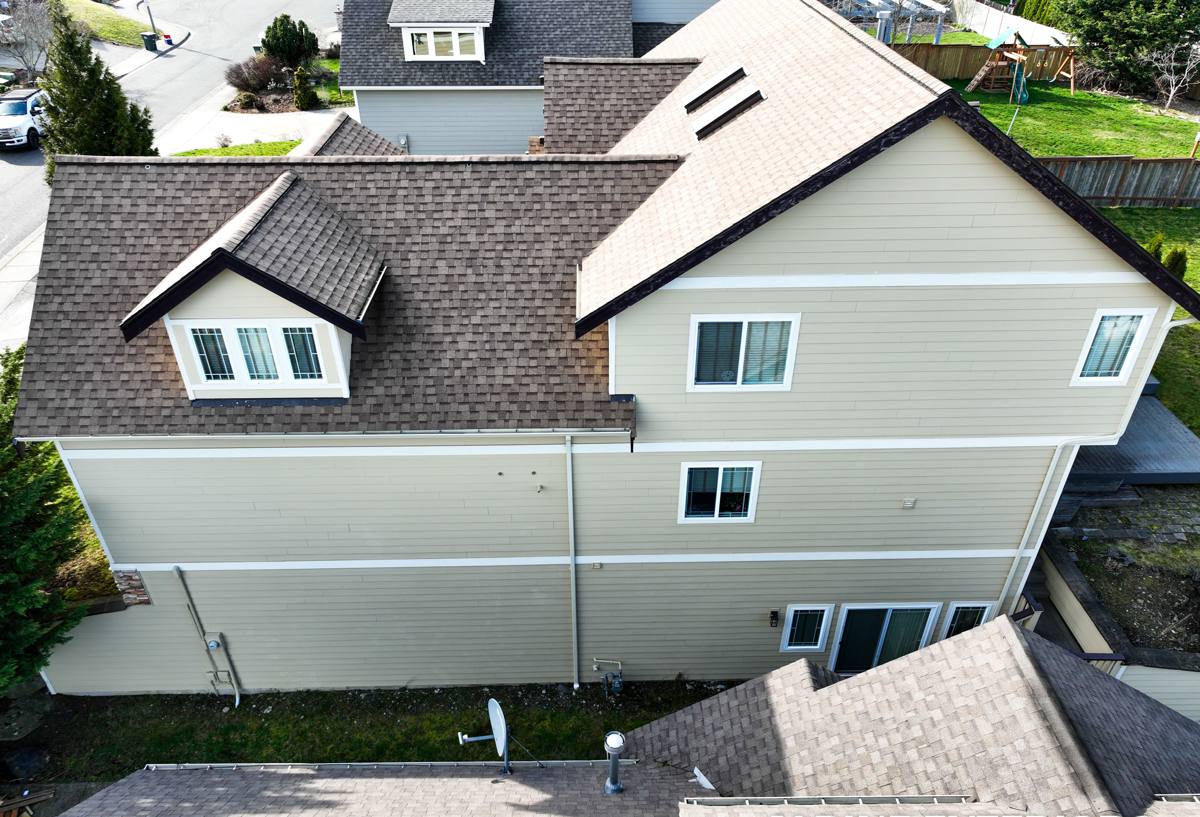
Signs a Redington Beach Home Needs a New Roof, Not Another Repair
Coastal roofs tend to fail in patterns that are a little different from inland homes. Here's what we look for when we're deciding whether a repair still makes sense or whether it's time to talk about full replacement:
- Granule loss on asphalt shingles that's left bald patches, especially on south- and west-facing slopes that take the most UV
- Corrosion or rust streaking around metal flashing, vent boots, and fasteners — salt air accelerates this dramatically compared to inland exposure
- Curling, cupping, or cracked shingles, particularly near ridge lines and edges where wind uplift stresses the roof first
- Soft spots or visible sagging in the decking, which usually means moisture has been getting underneath the roofing material for a while
- Multiple past repairs in different areas of the roof — a sign the whole system is aging out, not just one spot
- A roof that's approaching or past 15-18 years old and has never been fully inspected after a major storm
If you're only seeing one or two of these, a repair might genuinely be the right call — we'll tell you that honestly rather than push a full replacement you don't need yet. But once several of these show up together, patch repairs usually end up costing more over a few years than doing the job right once.
Roofing Materials That Actually Hold Up on the Barrier Island
Not every roofing product performs the same way this close to the Gulf. We install based on what actually holds up under salt air and hurricane wind loads, not just what's cheapest per square. Here's how the common options compare for a Redington Beach property:
| Material | Wind Performance | Salt Air / UV Durability | Typical Lifespan Here |
|---|---|---|---|
| Architectural asphalt shingle | Good with proper nailing pattern and rated shingle | Moderate — UV and salt shorten granule life | 15-22 years |
| Standing seam metal | Excellent, especially with concealed fasteners | Very good with coastal-rated coatings and stainless hardware | 30-50 years |
| Concrete or clay tile | Excellent when properly fastened and battened | Excellent — tile itself doesn't corrode or UV-degrade | 40-50+ years |
| Flat/low-slope membrane (TPO, modified bitumen) | Good with proper edge and perimeter detailing | Good, but seams and flashing need regular inspection | 15-25 years |
Most Redington Beach homes we work on end up choosing between a high-quality architectural shingle rated for coastal wind zones and standing seam metal, depending on budget and the look they want. Tile stays common on older Florida homes and holds up extremely well, but it requires a structure built to carry the extra weight and battening system done correctly — that's a detail worth confirming before assuming a like-for-like tile replacement is straightforward.
What a Correct Roof Installation Actually Involves
It's Not Just the Shingles or Panels
The visible roofing material gets all the attention, but most of the roofs that fail early in this climate fail because of what's underneath it, not the material itself. A correct installation includes:
- Deck inspection and repair — any soft, rotted, or delaminated decking gets replaced before anything new goes down. Installing over bad decking just hides the problem.
- Self-adhering or synthetic underlayment rated for high wind and moisture, installed with proper overlap — this is your secondary water barrier if the primary roofing ever gets compromised in a storm.
- Corrosion-resistant flashing and fasteners around every penetration — vents, chimneys, skylights, wall intersections. Standard galvanized hardware corrodes faster this close to the water; stainless or coated hardware is worth the upcharge.
- Proper attic and ridge ventilation so heat and moisture don't build up under the roof deck, which shortens the life of the roofing material from underneath.
- Wind-rated fastening pattern matched to the current Florida Building Code wind zone for your specific location — this isn't optional near the coast, and it's what an inspector will be checking.
Code and Wind Zone Requirements
Pinellas County properties this close to the water fall into higher wind-speed design zones under the Florida Building Code, which means the roofing system — underlayment, fastening schedule, and often the material rating itself — has to meet a higher standard than roofs built even a few miles inland. This isn't a formality. It affects your fastener spacing, your underlayment type, and in many cases whether you're required to have a secondary water barrier. We pull permits and install to the code that applies to your address, not a generic statewide minimum.
Our Installation Process
- On-site inspection and estimate — we look at the current roof, the decking condition where accessible, and talk through material options and budget honestly, including what we'd choose if it were our own house.
- Permitting — we pull the required Pinellas County/local permit and make sure the scope matches current wind zone and code requirements for your property.
- Tear-off and deck inspection — old roofing comes off down to the deck, and we identify and replace any compromised decking before moving forward.
- Underlayment and flashing installation — the water barrier and flashing go in first, correctly lapped and sealed at every penetration.
- Roofing material installation — installed to the fastening schedule required for your wind zone, not a generic default.
- Final inspection and walkthrough — county inspection where required, plus our own walkthrough with you so you know exactly what was done and what to watch for going forward.
What Drives the Cost of a New Roof
Every roof is different, so we'll never give you a number without seeing the property, but these are the factors that move the price up or down the most:
| Factor | Why It Matters |
|---|---|
| Roof size and complexity | More valleys, hips, and penetrations mean more flashing labor and material waste |
| Material choice | Metal and tile cost more upfront than asphalt shingle but last significantly longer |
| Decking condition | Rotted or delaminated decking found during tear-off adds replacement cost — we'll show you before proceeding |
| Wind zone fastening requirements | Higher-rated fastening schedules and secondary water barriers add labor and material cost near the coast |
| Accessibility | Steep pitches, tight lots, or limited staging area affect labor time |
Why Working With a Crew That Already Knows Redington Beach Matters
A roofing crew that mostly works inland subdivisions doesn't run into salt-air corrosion, barrier-island wind zone requirements, or the tighter lot access common on Redington Beach properties every day. We do. That familiarity shows up in small decisions — the hardware we default to, how we detail flashing around coastal-exposed walls, which underlayment we won't cut corners on — that don't show up on a proposal line item but absolutely show up in how the roof performs during the next tropical storm or hurricane season.
It also means we already understand the local permitting process and inspection expectations, so there are fewer surprises and delays getting your project approved and closed out.
Protecting Your Investment After Installation
A new roof installed correctly should need very little from you, but a short annual check goes a long way in this climate:
- Have the roof visually inspected after any major storm, even if you don't see obvious damage from the ground
- Keep gutters and downspouts clear so water isn't backing up under the roof edge
- Trim back any overhanging vegetation that can hold moisture against the roofing material
- Watch for granule buildup in gutters (asphalt shingle roofs) or streaking near fasteners (metal roofs) as an early warning sign
- Keep your permit and warranty paperwork together — you'll want it if you ever sell or file an insurance claim
If your roof is showing its age, or you just want an honest opinion on whether it's a repair or a replacement, we're happy to take a look. Fill out the form below for a free, no-pressure estimate on a new roof installation for your Redington Beach home.