 Largo Window
 Redington Shores Roofs Work Harder Than Most
Redington Shores sits on a narrow barrier island in Pinellas County, with open water on both sides of nearly every block. That location is part of what makes the area desirable, and it's also exactly why roofs here age faster than roofs just a few miles inland. A shingle roof on this island isn't dealing with occasional bad weather — it's dealing with near-constant sun, salt-laden air, wind-driven rain, and the real possibility of hurricane-force gusts every storm season. None of that is unusual for the Tampa Bay coastline, but it does mean a roof built to a generic spec, or installed by a crew that mostly works subdivisions further inland, tends to show wear years before it should.
This page is specifically about asphalt shingle roofing for Redington Shores homes — what the local climate demands, what a correctly installed roof actually involves, and how we approach the work when a job is on the island.
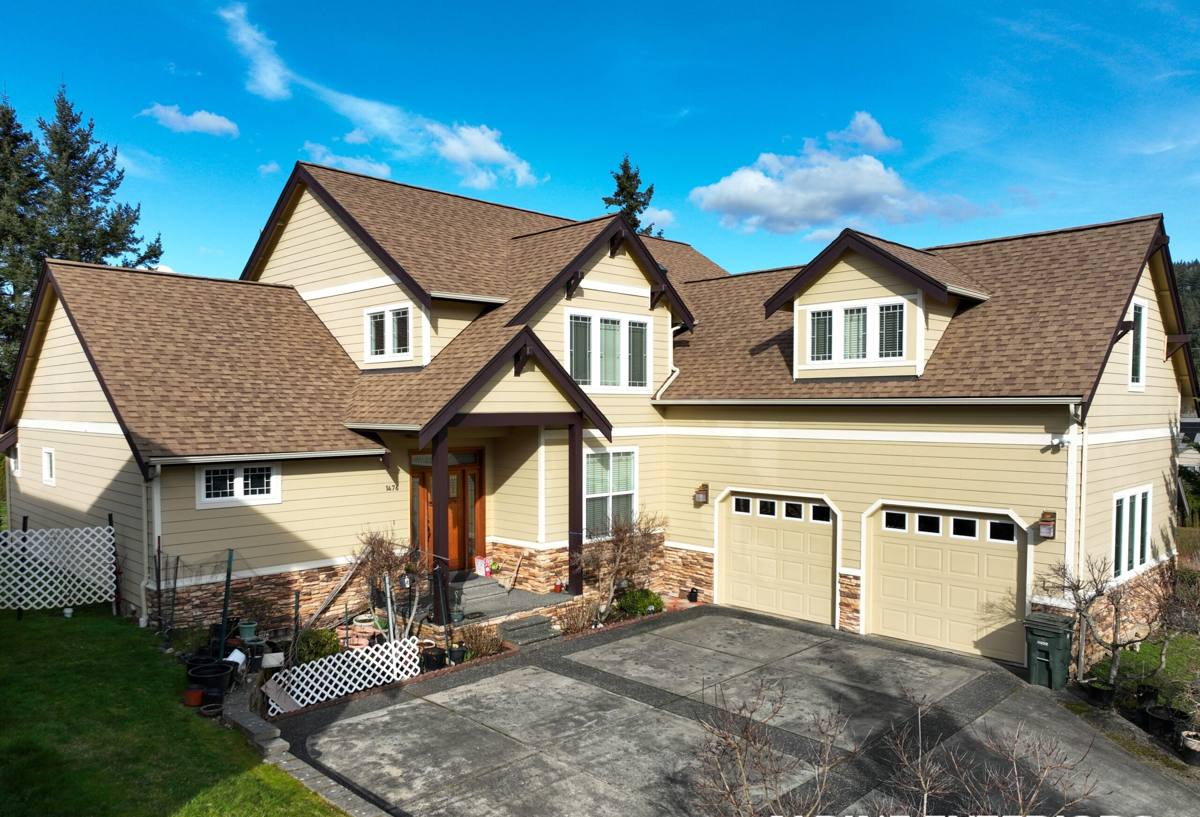
What the Coastal Climate Actually Does to a Shingle Roof
Understanding the failure points helps explain why certain steps in the installation process aren't optional out here.
UV and Heat
Florida sun is intense year-round, not just in summer. UV exposure breaks down the asphalt binders in shingles over time, causing granule loss, brittleness, and eventually cracking. Roofs facing south and west typically show this wear first.
Salt Air
Airborne salt from the Gulf settles on roofing materials and accelerates corrosion of exposed metal — nail heads, flashing, vent stacks, and drip edge. On a barrier island like Redington Shores, this happens faster than it would even a few miles inland, which is why fastener and flashing material choices matter more here than in most other parts of the county.
Wind-Driven Rain
Storms in this area rarely bring rain straight down. Wind pushes it sideways and up under shingle edges, which is where most storm-related leaks actually start — not from missing shingles, but from water finding a path under intact ones through weak flashing or degraded underlayment.
Hurricane-Force Wind
Every roofing decision on the island — shingle class, nailing pattern, underlayment type — has to account for the real possibility of sustained high winds and gusts during hurricane season. A roof that looks fine in a photo can still be under-built for what it needs to survive.
Signs a Redington Shores Roof Needs Attention
Most shingle roof failures don't happen all at once — they show warning signs first. Worth checking for, especially after storm season:
- Granules collecting in gutters or at downspout outlets
- Shingles that look curled, cupped, or lifted at the edges
- Cracked or missing shingles, particularly on south- and west-facing slopes
- Rust streaks below vent stacks, flashing, or exposed fasteners
- Soft spots or discoloration on ceilings, especially near exterior walls
- Visible daylight or gaps around chimney or plumbing vent flashing
- A roof that's approaching or past 15–18 years old and has never been fully inspected
What a Correct Installation Looks Like Here
An asphalt shingle roof is a system, not just a layer of shingles nailed to plywood. Skipping or rushing any layer is where coastal roofs get into trouble.
Deck Inspection and Repair
Before anything goes down, the existing deck gets inspected for rot, delamination, or soft spots — common on older island homes where past leaks went unnoticed. Damaged sections get replaced, not patched over.
Underlayment
We use synthetic or self-adhering underlayment rated for the wind-driven rain conditions typical of this coastline, with extra attention at valleys, eaves, and penetrations where water intrusion actually starts.
Flashing and Fasteners
Given how quickly salt air corrodes exposed metal, flashing and fastener material matters. We use corrosion-resistant components at vents, chimneys, and roof-to-wall transitions rather than the standard-grade hardware that's fine further inland but wears prematurely here.
Nailing Pattern and Wind Rating
Shingle wind ratings only hold up if the nailing pattern matches the manufacturer's high-wind installation instructions. We follow those specs, not the minimum code pattern, because it directly affects how the roof performs in a named storm.
Ventilation
Proper attic ventilation reduces heat buildup that shortens shingle life from underneath, and helps prevent moisture issues that are already a bigger risk in a humid coastal environment.
Choosing a Shingle for This Environment
Not every asphalt shingle product is a good match for barrier island conditions. The table below outlines the general trade-offs we walk homeowners through.
| Shingle Type | Typical Wind Rating | Coastal Fit |
|---|---|---|
| Standard 3-tab | Lower (varies by product) | Lowest cost, but generally the least suited to sustained coastal wind and UV exposure |
| Architectural / laminate | Higher, varies by line | Heavier, more layers of asphalt and granules — better UV resistance and wind performance for island exposure |
| Impact-rated architectural | Highest available in shingle category | Best fit for full hurricane-season exposure; may qualify for insurance credits — worth confirming with your carrier |
We don't push one specific brand as the only acceptable option — the right call depends on your budget, your roof's slope and complexity, and what your insurance carrier recognizes for wind mitigation credits. What we do insist on is a shingle rated appropriately for coastal wind exposure, installed to the manufacturer's high-wind spec, not the state minimum.
What Affects the Cost of a Shingle Roof on the Island
Every roof is different, so we won't quote a number without seeing yours, but these are the factors that most commonly move the price up or down.
| Factor | Why It Matters |
|---|---|
| Roof size and pitch | More surface area and steeper slopes mean more material and labor time |
| Number of layers being removed | Tear-off of multiple existing layers adds disposal and labor cost |
| Deck condition | Rotted or delaminated plywood found during tear-off requires replacement before shingles go down |
| Shingle class chosen | Impact-rated and higher-wind-rated products cost more per square than standard architectural shingles |
| Roof complexity | Valleys, dormers, skylights, and multiple penetrations add flashing work and labor time |
| Access | Tight lot lines and limited staging space, common on the island, can affect logistics and scheduling |
Permits and Insurance Considerations in Pinellas County
Roofing work in Pinellas County requires a permit, and inspections happen at defined stages of the job — this isn't optional paperwork, it's what confirms the roof was actually built to code. We handle the permitting process as part of the job. It's also worth talking to your insurance agent before or after a reroof: a documented wind mitigation inspection, reflecting the shingle class and installation method used, can sometimes affect windstorm premiums. We can't speak for your specific policy, but we'll give you accurate documentation of what was installed so you can have that conversation with your carrier.
Our Process on a Redington Shores Job
- On-site inspection of the current roof, deck, and ventilation, with photos and an honest assessment of what's actually needed
- Written scope and estimate covering shingle class, underlayment, flashing, and any deck repair anticipated
- Permit filed with Pinellas County before work begins
- Tear-off, deck inspection and repair, then underlayment, flashing, and shingle installation to manufacturer high-wind spec
- Final walkthrough with you and cleanup of the property, including magnetic sweep for stray fasteners
- Documentation provided for warranty registration and insurance purposes
Why Local Experience on the Island Matters
A roofing crew that regularly works Redington Shores and the surrounding barrier island communities already knows the layout challenges of island lots, the county's permitting and inspection process, and which materials actually hold up in this specific salt-and-wind environment versus which ones just look fine on paper. That's different from experience gained mostly on inland roofs where salt air and hurricane wind exposure aren't part of the daily reality. It shows up in smaller decisions — the fastener grade used, how flashing is detailed at a roof-to-wall joint, how staging is handled on a tight lot — that don't show up in a quote but do show up in how long the roof lasts.
After Installation: Keeping a Coastal Roof Healthy
- Have gutters cleared regularly so water doesn't back up under the shingle edge
- Rinse accumulated salt residue off the roof surface periodically if it's visible
- Walk the roofline visually after any major storm and note anything that looks lifted or missing
- Keep overhanging branches trimmed back to reduce debris and abrasion
- Schedule a professional inspection every couple of years, not just when a leak shows up
If your Redington Shores roof is showing its age, took storm damage, or you're simply planning ahead before the next hurricane season, we're happy to take a look and give you a straight, no-pressure assessment. Use the form below to request a free estimate.