 Largo Window
 Roofing on a Barrier Island Is a Different Job
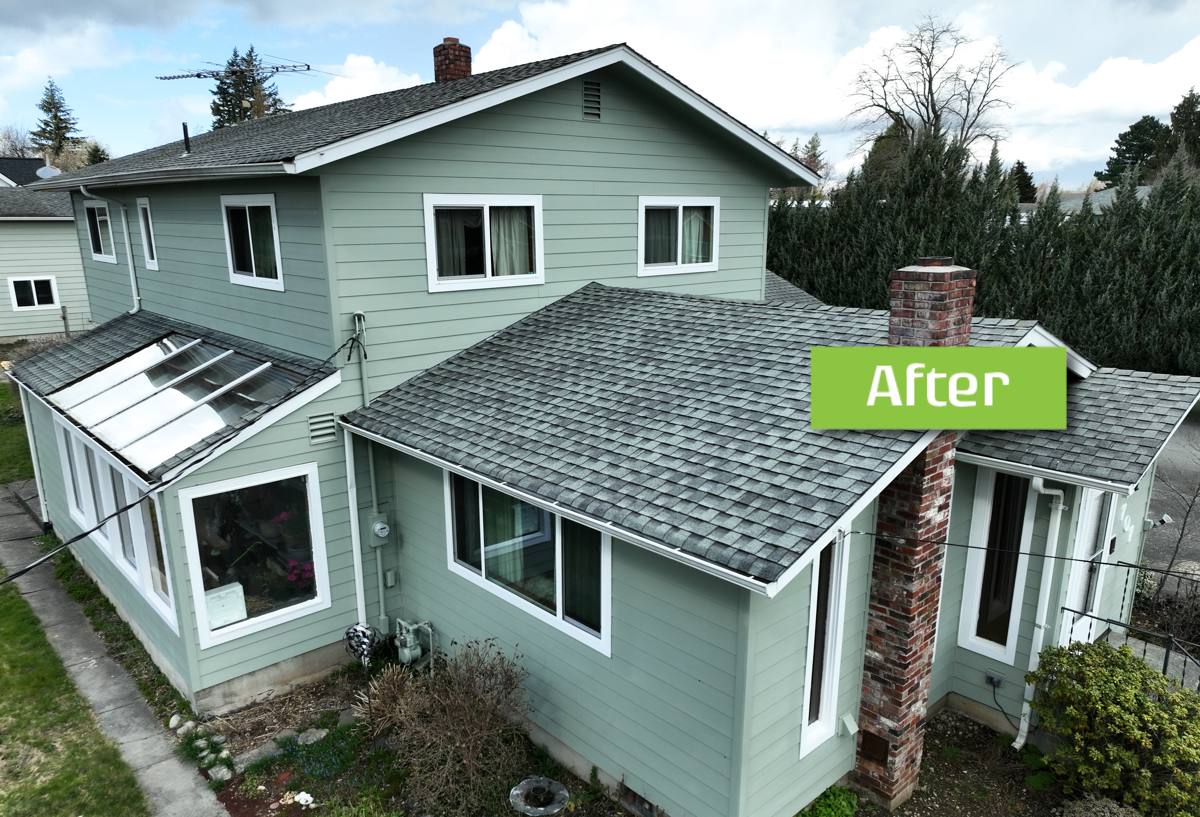
Indian Rocks Beach sits directly on the Gulf, which means every roof here is doing more work than a roof a few miles inland in Largo or central Pinellas County. Salt-laden air, near-constant sun, and the risk of hurricane-force wind and wind-driven rain aren't occasional stressors — they're the daily operating environment for a barrier island roof. A roofing system that would hold up fine in a shaded inland neighborhood can fail years early out here if it isn't specified and installed with that exposure in mind.
This page covers what a correctly installed new roof looks like for an Indian Rocks Beach home: what the climate actually does to roofing materials, what belongs in a proper installation, how the material choices compare, and what our process looks like from first inspection to final walkthrough.
What the Coastal Climate Does to a Roof
Wind
Indian Rocks Beach homes face higher sustained wind and higher gust potential than inland properties, both from routine Gulf weather and from tropical systems. Roofs here need fastening patterns, underlayment, and edge/ridge detailing sized to that exposure — not the minimum a supplier ships with, but what the specific roof geometry and elevation call for. Wind doesn't usually fail a roof in the middle of a field of shingles or panels; it fails it at the edges, ridges, and penetrations where installation quality matters most.
Intense, Year-Round UV
Florida sun degrades roofing materials faster than most of the country sees, and a beachfront property gets that exposure with almost nothing to block it. UV breaks down asphalt oils, dries out sealants, and accelerates granule loss on shingles over time. Materials and coatings rated for high UV exposure last measurably longer here than lower-grade products that might be fine in a milder climate.
Wind-Driven Rain
A roof doesn't just need to shed water falling straight down — it needs to resist rain being pushed sideways and upward under roofing components during a storm. That's a underlayment and flashing question as much as a shingle or panel question. Wind-driven rain finds every weak seam, so the layers underneath the visible roofing are just as important as what you see from the street.
Salt Air
Airborne salt corrodes exposed metal — fasteners, flashing, vents, drip edge — faster the closer a home sits to the water. Indian Rocks Beach properties are about as close as it gets. Standard-grade fasteners and flashing can start corroding within a few years on a barrier island home, while corrosion-resistant hardware rated for coastal use holds up for the life of the roof.
What a Correct New Roof Installation Actually Includes
A new roof is more than laying new material over the old deck. On a coastal home, each of these steps matters more than it would inland:
- Full tear-off and deck inspection — every section of decking gets checked for rot, delamination, or storm damage and repaired or replaced before anything new goes down.
- Self-adhering or high-wind-rated underlayment — the water barrier beneath the roofing material, sized for wind-driven rain exposure rather than a basic felt product.
- Corrosion-resistant fasteners and flashing — hardware rated for salt air exposure at every penetration, valley, and edge.
- Code-compliant fastening pattern — nailing or fastening schedule matched to the local wind-uplift requirements for the property's exposure category, not a generic minimum.
- Proper flashing at every penetration — chimneys, vents, skylights, and wall transitions are common failure points if flashed incorrectly.
- Balanced attic ventilation — intake and exhaust sized correctly to control heat buildup and moisture, both of which shorten a roof's life if ignored.
Ventilation Matters More Than Most Homeowners Expect
Intense Florida sun turns an unventilated attic into an oven, which cooks the underside of roofing material from below at the same time UV is breaking it down from above. Correct intake-and-exhaust balance keeps attic temperatures in check, protects the roof deck, and takes pressure off cooling costs — a real factor on a home this exposed to direct sun most of the year.
Choosing a Roofing System for a Barrier Island Home
There's no single "best" roofing material for every Indian Rocks Beach home — the right choice depends on the roof's shape, the home's structure, budget, and how long the owner plans to stay in it. Here's how the common options compare under coastal conditions:
| Material | Wind Performance | Salt Air Durability | Typical Lifespan | Relative Cost |
|---|---|---|---|---|
| Architectural asphalt shingle (coastal-rated) | Good, with proper fastening and underlayment | Moderate — hardware and edge details need to be corrosion-resistant | 15–25 years | Lowest |
| Standing seam metal | Excellent when properly fastened | Strong, especially with coated/coastal-grade panels and fasteners | 40–50+ years | Highest upfront |
| Concrete or clay tile | Very good when correctly installed and fastened | Strong — the tile itself resists salt well, though underlayment still ages | 30–50 years | High |
Cost and lifespan aren't the whole story — a lower-cost system installed correctly with the right underlayment and hardware will outperform a premium material installed carelessly. The install quality is what actually determines how the roof performs in the next storm.
Cost Factors Beyond the Base Material
| Factor | Why It Affects Price |
|---|---|
| Roof pitch and access | Steeper or harder-to-access roofs take longer and require more safety setup |
| Deck condition | Rotted or damaged decking found during tear-off adds material and labor |
| Number of penetrations | Each vent, skylight, or chimney needs its own flashing detail |
| Underlayment grade | Self-adhering, high-wind-rated underlayment costs more than basic felt but performs far better here |
| Fastener and flashing grade | Coastal-rated corrosion-resistant hardware costs more than standard-grade |
Our Installation Process
- On-site inspection and estimate — we look at the existing roof, decking (where visible), ventilation, and any problem areas, and put together a written scope and price.
- Permitting — we pull the required permit for the work before anything starts, and coordinate any required inspections along the way.
- Tear-off — the old roofing is fully removed so the deck can be inspected properly rather than covered over.
- Deck repair — any compromised decking is replaced before underlayment goes down.
- Underlayment and flashing — self-adhering or high-wind-rated underlayment and new flashing at every penetration and edge.
- Roofing material installation — installed to the fastening schedule the roof's wind exposure requires.
- Final inspection and cleanup — we walk the job with you, confirm any required municipal inspection is complete, and clear the site of debris and nails.
Permitting, Wind Mitigation, and Insurance
New roof installations in Pinellas County require a permit and a final inspection before the job is considered complete — that's not optional, and it protects the homeowner as much as it protects us. Once the new roof is in, it's worth having a wind mitigation inspection done. Insurance carriers factor roof age, material, and installation details like roof-to-wall connections and secondary water barriers into windstorm premiums, and a new, correctly documented roof can make a real difference there. We're happy to point you toward what documentation carriers typically ask for, though the wind mitigation inspection itself is done by a separate certified inspector.
Why Hiring a Crew That Already Works Indian Rocks Beach Matters
Indian Rocks Beach has its own permitting process and inspection expectations layered on top of Pinellas County requirements, and barrier island lots often come with tight access, elevated structures, or older homes with decking that needs a closer look. A crew that regularly works this specific area already knows the permitting steps, shows up with corrosion-resistant hardware as the default rather than an upsell, and understands how to plan around narrow weather windows during storm season. That familiarity shows up in fewer surprises mid-project and a roof that's actually built for where it sits, not a generic install.
Getting the Most Life Out of a Coastal Roof
Even a correctly installed roof benefits from basic upkeep, especially this close to the Gulf. A short annual checklist:
- Rinse accumulated salt residue off the roof surface periodically, especially after long dry stretches.
- Keep gutters and valleys clear so wind-driven rain has a clear path off the roof.
- Have flashing and sealant around penetrations visually checked after major storms.
- Watch for granule buildup in gutters (shingle roofs) as an early sign of wear.
- Confirm attic ventilation isn't blocked by insulation or debris.
- Schedule a professional inspection every couple of years, and always after a significant wind event.
What to Ask Before Hiring a Roofing Contractor Here
Not every roofing crew treats a barrier island home the way it needs to be treated. Before hiring anyone for an Indian Rocks Beach roof, it's reasonable to ask:
- Are you licensed and insured to work in Florida, and can you provide proof?
- Do you pull permits yourselves, or is that left to the homeowner?
- What underlayment and fastener grade do you use as your standard on coastal properties?
- Will you inspect and repair decking as part of the job, not just as an unexpected add-on?
- Can you walk me through your fastening pattern and how it's matched to my roof's wind exposure?
A contractor who works this area regularly should be able to answer all of these without hesitation.
If you're planning a new roof for an Indian Rocks Beach or Largo-area home, we're glad to take a look and put together a straightforward, no-pressure estimate — just fill out the form below and we'll get in touch.