 Largo Window
 Indian Rocks Beach Puts Different Demands on Siding Than Inland Largo
Indian Rocks Beach sits right on the Gulf, and that barrier-island location changes how siding ages compared to a home a few miles inland in Largo or elsewhere in Pinellas County. Salt-laden air corrodes fasteners and finishes faster. Direct, near-constant sun bakes painted and coated surfaces from a low angle off the water for a good part of the day. Wind-driven rain during summer storms and hurricane season doesn't just fall on a wall — it gets pushed sideways into every seam, corner, and penetration. None of this means siding on Indian Rocks Beach is doomed to fail early. It means repairs need to be diagnosed and executed with that exposure in mind, not treated like a generic patch job.
We work Indian Rocks Beach regularly, alongside the rest of our Largo service area, so we're not guessing at how coastal exposure behaves on a wall assembly — we see it call after call.
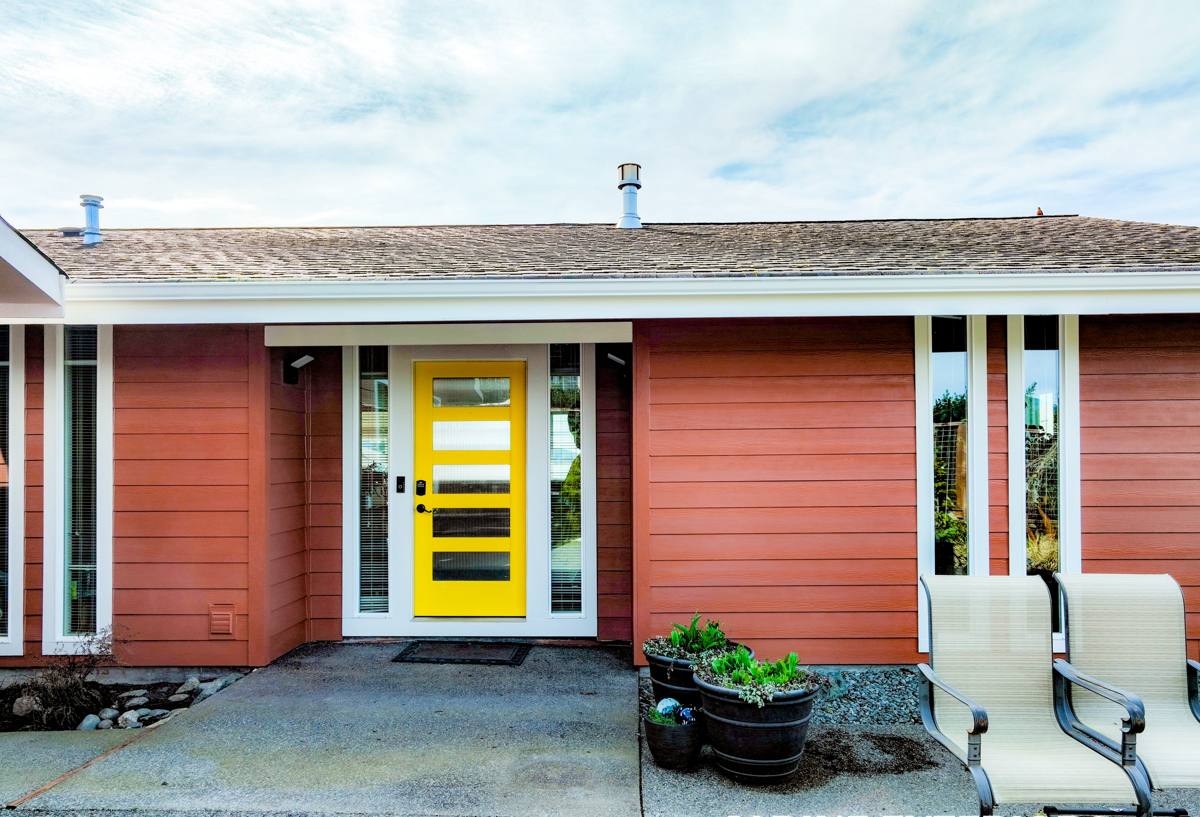
How to Tell If Your Siding Needs Repair, Not a Full Replacement
Most siding problems on the beach start small and localized. Catching them early is what keeps a repair a repair, instead of turning into a full re-side. The trouble is that from the ground, minor damage and serious damage can look similar. A few signs point clearly toward a repair being both possible and worthwhile:
- Cracking, splitting, or buckling limited to one or two boards or panels, not spread across a whole elevation
- Soft or spongy spots when pressed near the bottom courses, around window trim, or at butt joints
- Paint or ColorPlus finish peeling or chalking in isolated patches rather than uniformly across the wall
- Visible gaps opening up at seams, corners, or where siding meets trim, window frames, or the roofline
- Rust streaking from fasteners or corroded trim accessories, common wherever salt air reaches exposed metal
- Discoloration or staining that tracks with a specific leak point rather than general weathering
If damage is contained and the wall assembly behind it is still sound, a targeted repair is usually the right call. If several of these signs show up together across multiple walls, that's often a sign the siding system itself — not just a board or two — is reaching the end of its service life.
Localized Damage vs. a Systemic Problem
The distinction matters because it changes the scope of the fix. A cracked board from a lawn tool or a storm-driven branch is a straightforward repair. Widespread cupping, soft framing behind multiple boards, or moisture damage found once we open up one section usually means the same conditions are present elsewhere on the house, even if it hasn't shown on the surface yet. Part of doing this job correctly is telling a homeowner honestly which situation they're in, rather than defaulting to "just patch it" when the underlying cause is still active.
What a Correct Siding Repair Actually Involves
Diagnosing the Cause Before Touching the Siding
Replacing a damaged board without figuring out why it failed just resets the clock on the same problem. Before any repair work starts, we look at what's driving the damage: a flashing detail that's letting wind-driven rain behind the cladding, a failed sealant joint, a downspout dumping water against a wall, or simply UV and salt exposure wearing through a finish over time. On a barrier island property, we also check how exposed the specific wall is — a Gulf-facing elevation takes a different beating than a wall shielded by the house itself.
Matching Material and Finish
A repair should be close to invisible once it's done, or at least not obviously patched. That means matching board profile, exposure, and color as closely as the existing siding allows. On older installations, exact color matches aren't always possible if the original finish has faded or the product line has changed over the years — we'll tell you upfront if that's the case rather than promise a perfect match we can't deliver.
Getting the Water Management Right
Most siding failures near the coast trace back to water finding a way behind the cladding and staying there. A correct repair re-establishes proper flashing, house wrap, and drainage behind the new material, seals penetrations correctly, and respects the manufacturer's clearance and gapping requirements. Skipping this step to save time is the single most common reason a "repaired" section fails again within a year or two.
Repair vs. Replacement: How We Make the Call
| Factor | Leans Toward Repair | Leans Toward Replacement |
|---|---|---|
| Extent of damage | One or two boards, isolated area | Multiple elevations affected |
| Age of existing siding | Under roughly half its expected service life | Near or past expected service life |
| Underlying framing/sheathing | Dry and sound when opened up | Soft, stained, or damaged behind siding |
| Cause of damage | Impact damage, one-time event | Ongoing moisture intrusion or systemic wear |
| Typical cost range | A few hundred to a couple thousand dollars | Full elevation or whole-house pricing |
These are general guidelines, not a formula — every house is different, and the only way to know for certain is an in-person look. We'll always tell you if a repair is realistic before we recommend replacement.
Why We Repair — and Install — Only James Hardie Fiber Cement
We get repair calls on all kinds of siding, including vinyl, wood, and other fiber cement brands, and we'll assess and repair what's already on your home. But when a section needs to be replaced outright, or when a homeowner asks what we'd put back up, our answer is James Hardie fiber cement, and only Hardie. We don't install LP SmartSide, vinyl, or other fiber cement brands, because for a coastal Pinellas County property, the trade-offs that come with those materials — heat and moisture sensitivity in engineered wood products, or expansion, fading, and impact vulnerability in vinyl — aren't ones we're willing to put our name behind. Hardie's fiber cement is non-combustible, holds up to humidity and salt air without swelling or rotting, and its ColorPlus factory finish is built to resist the fading and chalking that UV-heavy, waterfront exposure causes faster than almost anywhere else in the state.
When a repair area is significant enough that patching in a different brand or material wouldn't hold up the same way long-term, we'll say so and explain the options plainly — including sticking with what's there if that's what makes sense for your budget and timeline.
Our Process for an Indian Rocks Beach Siding Repair Call
- Inspection: We look at the damaged area and the surrounding siding, check for moisture intrusion, and identify the root cause, not just the visible symptom.
- Honest scope: We tell you plainly whether it's a contained repair, a larger repair, or a case where replacement is the more sensible long-term move.
- Written estimate: Clear pricing before any work starts, with the reasoning behind the recommendation spelled out.
- Correct repair: Matching material where possible, proper flashing and sealant work, and fastening that accounts for the wind exposure common on the barrier island.
- Cleanup and walkthrough: We show you what was done and why, and flag anything else worth keeping an eye on.
Why a Crew That Already Works Indian Rocks Beach Matters
Barrier island jobs come with logistics that don't exist a few miles inland — bridge access, narrower lots, tighter setbacks, and in many cases HOA or community guidelines that affect exterior work. A crew that's already worked in Indian Rocks Beach and the surrounding Largo area knows what those calls typically involve before showing up, which means fewer surprises and a smoother repair. We also know what coastal exposure does to fasteners, trim, and finishes over time, because we've opened up enough walls in this exact environment to recognize the patterns — not because we read about it.
Just as important, being local means we're not disappearing after the invoice is paid. If a repair doesn't hold up the way it should, or a related issue shows up down the line, we're a short drive away, not a name from an out-of-town crew that worked the coast for a season and moved on.
Protecting the Repair: Simple Maintenance That Extends Its Life
A properly executed repair still benefits from basic upkeep, especially this close to the Gulf. Rinsing salt residue off siding periodically, keeping gutters and downspouts clear so water isn't dumping against walls, trimming vegetation back from siding to maintain airflow, and having caulking and paint checked every few years all go a long way. None of this is complicated, but it's the difference between a repair that lasts and one that needs revisiting sooner than it should.
Get a Straight Answer on Your Siding
If you're seeing cracked boards, peeling paint, soft spots, or gaps opening up on your Indian Rocks Beach home, it's worth getting an honest look before the damage spreads or the underlying framing takes on more moisture. We'll tell you plainly whether it's a simple repair, a bigger job, or something that can wait. Reach out for a free, no-pressure estimate using the form below.