 Largo Window
 Why Siding Fails Faster on Indian Rocks Beach Homes
Indian Rocks Beach sits on a narrow barrier island, with the Gulf of Mexico on one side and the Intracoastal Waterway on the other. That geography is why the neighborhood is beautiful and why it's punishing on exterior building materials. Salt-laden air moves across the entire island, not just the homes closest to the water, and it works on siding, fasteners, and trim around the clock. Add in Pinellas County's high wind-speed design requirements, intense UV exposure nearly every month of the year, and wind-driven rain that gets forced sideways into seams and laps during storms, and you have a climate that shortens the lifespan of almost every siding product on the market except the ones actually engineered for it.
Homeowners who move to Indian Rocks Beach from inland areas are often surprised at how much faster their siding shows wear compared to what they're used to. Chalking, fading, soft spots, and fastener corrosion all show up years earlier here than they would forty or fifty miles inland. That's not a reflection of poor original installation in every case — it's the environment doing what it does to materials that weren't built for a barrier island.
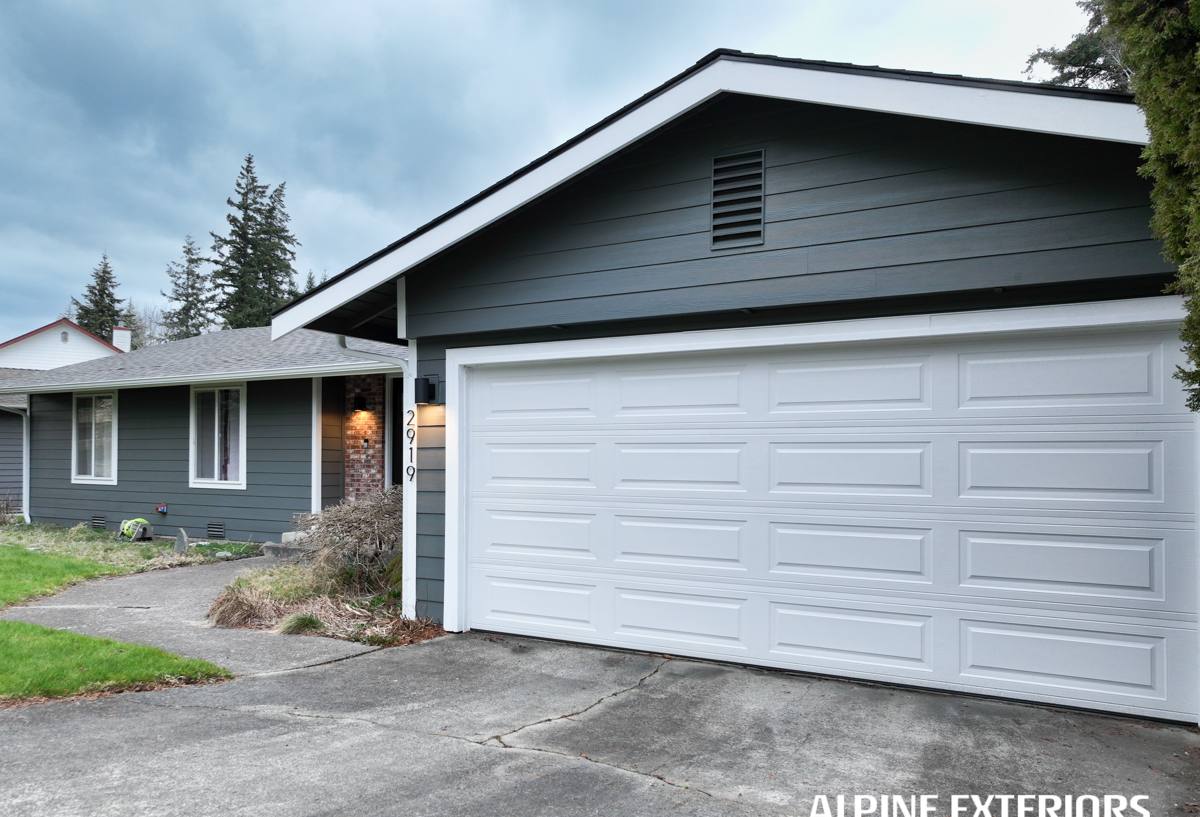
Signs Your Siding Is Telling You It's Time
Siding rarely fails all at once. It gives warning signs first, and catching them early keeps a siding project from turning into a structural repair project.
- Soft, spongy, or bubbling spots when you press on the siding, especially near the bottom courses and around window and door trim
- Visible cracking, warping, or buckling panels, particularly on Gulf-facing and southwest-facing walls
- Paint that's chalking heavily or fading unevenly, leaving a powdery residue on your hand when you wipe it
- Rust streaks bleeding from nail heads or fastener locations
- Gaps opening up at seams, corners, or where siding meets trim, soffit, or roofline
- A musty smell or visible staining on interior walls that share an exterior wall with damaged siding
- Increasing pest activity — carpenter ants and other wood-seeking insects often move in once moisture has softened material behind the siding
Any one of these on its own might just mean a repair. Several at once, or damage that's spread across multiple walls, usually means the siding system as a whole has reached the end of its service life.
Why We Install James Hardie and Nothing Else
We standardized on James Hardie fiber cement siding, and we don't install vinyl, LP SmartSide, Cemplank, Allura, or primed wood species like spruce or cedar. That's not a marketing position — it's a decision based on what holds up in this specific climate. Vinyl softens, warps, and can pull loose from fasteners under sustained high heat and wind loading, and it has no real defense against wind-driven debris. Wood-based and OSB-based siding products depend heavily on maintaining an intact factory or field-applied coating; once moisture finds a way in through a cut edge, seam, or fastener hole, the substrate itself is vulnerable to swelling and rot in exactly the humid, salt-air conditions Indian Rocks Beach has year-round.
Fiber cement is non-combustible, dimensionally stable in heat and humidity, and doesn't rot or provide a food source for insects. James Hardie's ColorPlus finish is baked on at the factory under controlled conditions, which gives it stronger UV and fade resistance than field-applied paint, and it comes with its own finish warranty separate from the product warranty. For a coastal Pinellas County home, that combination of non-combustibility, moisture resistance, and factory-cured finish is what actually holds up — not just what looks good in a showroom.
What a Correct Siding Replacement Actually Involves
Replacing siding on a coastal home is not a cosmetic swap. Done right, it's an opportunity to fix what's underneath before it's covered up again for another twenty-plus years.
Tear-off and inspection
Old siding comes off in full, not patched around. That's the only way to see the sheathing, framing, and existing moisture barrier underneath. On barrier island homes, we routinely find areas where trapped moisture has already started affecting the sheathing behind old siding that looked fine from the outside — this is the stage where that gets caught and repaired, not years later.
Weather-resistive barrier and flashing
A correctly detailed water-resistive barrier and properly lapped, sealed flashing around every window, door, and penetration matters more here than almost anywhere else in the state. Wind-driven rain during a tropical storm or hurricane doesn't fall straight down — it gets pushed horizontally and even upward under eaves, so flashing details that would be adequate inland aren't always sufficient on an exposed barrier island wall.
Fastening to wind requirements
Pinellas County's coastal wind zones call for specific fastener types, spacing, and embedment to meet Florida Building Code wind-load requirements. We follow the James Hardie fastening specifications engineered for your exposure category — this isn't an area to cut corners with fewer or shorter fasteners than the system calls for.
Trim, caulking, and finish details
The finish work — corner boards, trim profiles, caulking joints — is what actually keeps water out at the seams. Rushed trim work is one of the most common reasons a siding job looks fine for a year or two and then starts failing at the joints.
Choosing the Right Hardie Product for a Barrier Island Home
James Hardie engineers its siding by climate zone, and that distinction matters more in Indian Rocks Beach than in most parts of the country. The company's HZ10 formulation is engineered specifically for hot, humid, high-moisture climates like the Florida Gulf Coast, as opposed to the HZ5 formulation built for freeze-thaw climates further north. We spec HZ10 products for homes in this area because they're built to resist the moisture and humidity exposure that's constant here, not occasional.
Beyond the climate-zone engineering, homeowners generally choose between a few Hardie product styles:
- HardiePlank lap siding — the traditional horizontal look, available in multiple width and texture options, the most common choice for both older Florida homes and new coastal builds
- HardiePanel vertical siding — often used for accent walls, gable ends, or a more modern coastal look, sometimes paired with lap siding elsewhere on the same home
- HardieTrim boards — for corners, window and door surrounds, and fascia, giving a consistent, factory-finished look that matches the field siding
Color is a real decision too, not an afterthought. ColorPlus finishes are available in a range of coastal-appropriate palettes, and because the finish is factory-applied and baked on, it holds color and resists chalking far longer under intense Gulf Coast sun than a typical field-applied paint job would.
Our Process, Start to Finish
| Stage | What Happens |
|---|---|
| Estimate | On-site walk-around of your home, assessment of existing siding condition, and a written scope with product and color options |
| Prep | Protecting landscaping, walkways, and adjacent surfaces before tear-off begins |
| Tear-off and inspection | Full removal of old siding, sheathing inspection, and documentation of any repairs needed before we move forward |
| Repairs | Any rotted or damaged sheathing and framing addressed and approved with you before re-covering it |
| Weather barrier and flashing | Installing and detailing the moisture barrier and flashing around every penetration |
| Siding installation | Installing James Hardie product to manufacturer and code-required fastening specifications for your wind zone |
| Trim and finish | Corner boards, trim, and caulking completed for a clean, sealed finish |
| Final walkthrough | Walking the finished job with you and addressing anything you flag before we consider it done |
What Affects the Cost of a Siding Replacement
Every home is different, so we don't quote broad numbers until we've actually seen your house, but these are the factors that most often move the price up or down:
| Factor | Why It Matters |
|---|---|
| Square footage and home height | More surface area and multi-story access both add material and labor time |
| Condition of the sheathing underneath | Rot or moisture damage found during tear-off adds repair scope that can't be known until the old siding is off |
| Siding profile and complexity | Simple lap siding installs faster than homes with multiple trim details, accent panels, or intricate rooflines |
| Number of windows, doors, and penetrations | Each one requires flashing and trim work, adding time regardless of overall square footage |
| Color and finish selection | Standard ColorPlus colors versus premium or custom options can affect material pricing |
| Access and site conditions | Tight lot lines, landscaping, or limited staging space on a barrier island lot can affect labor time |
Why Hiring a Crew That Already Works Indian Rocks Beach Matters
Siding installation isn't identical everywhere in Florida, let alone everywhere in the country. A crew that mostly works inland subdivisions may not have hands-on familiarity with the wind-load fastening requirements, flashing details, and salt-air considerations that a barrier island home in Pinellas County actually needs. We work in Indian Rocks Beach and the surrounding beach communities regularly, which means we already know what tends to be found once old siding comes off a Gulf-facing wall, and we don't have to learn coastal wind-zone code requirements on your project.
It also matters for something more practical: local crews understand the realities of scheduling around this area's weather patterns, HOA or community expectations common to beach neighborhoods, and the logistics of working on the narrower lots typical of a barrier island. That familiarity translates into fewer surprises during the job, not just a nicer sales pitch beforehand.
Ready to Get a Straight Answer About Your Siding?
If your siding is showing its age, or you just want an honest opinion on whether repair or full replacement makes sense for your Indian Rocks Beach home, we're happy to take a look. Fill out the form below for a free, no-pressure estimate — we'll walk your home, tell you what we actually see, and give you a clear scope and price before anything moves forward.