 Largo Window
 Roofs on a Barrier Island Take a Different Kind of Beating
Indian Shores sits right on the Gulf, a narrow strip of Pinellas County where homes get very little shelter from open water on one side and the Intracoastal on the other. A roof here doesn't age the way a roof does ten miles inland. Salt-laden air works into fasteners, flashing, and exposed metal edges and starts corrosion long before a roof would show its age in a typical subdivision. Constant sun with almost no tree canopy near the beach bakes shingles and dries out sealants year-round. Add wind-driven rain that comes in sideways during summer storms, and hurricane-force gusts that test every nail line and seam, and you get a roof that's working harder than its counterpart across the bridge in Largo.
That's the backdrop for every repair call we take on this stretch of coast. A patch that would hold up fine inland can fail here in a season if it doesn't account for the salt, the UV, and the wind together. Getting a repair right on Indian Shores means understanding which of those forces actually caused the damage, not just covering up what's visible.
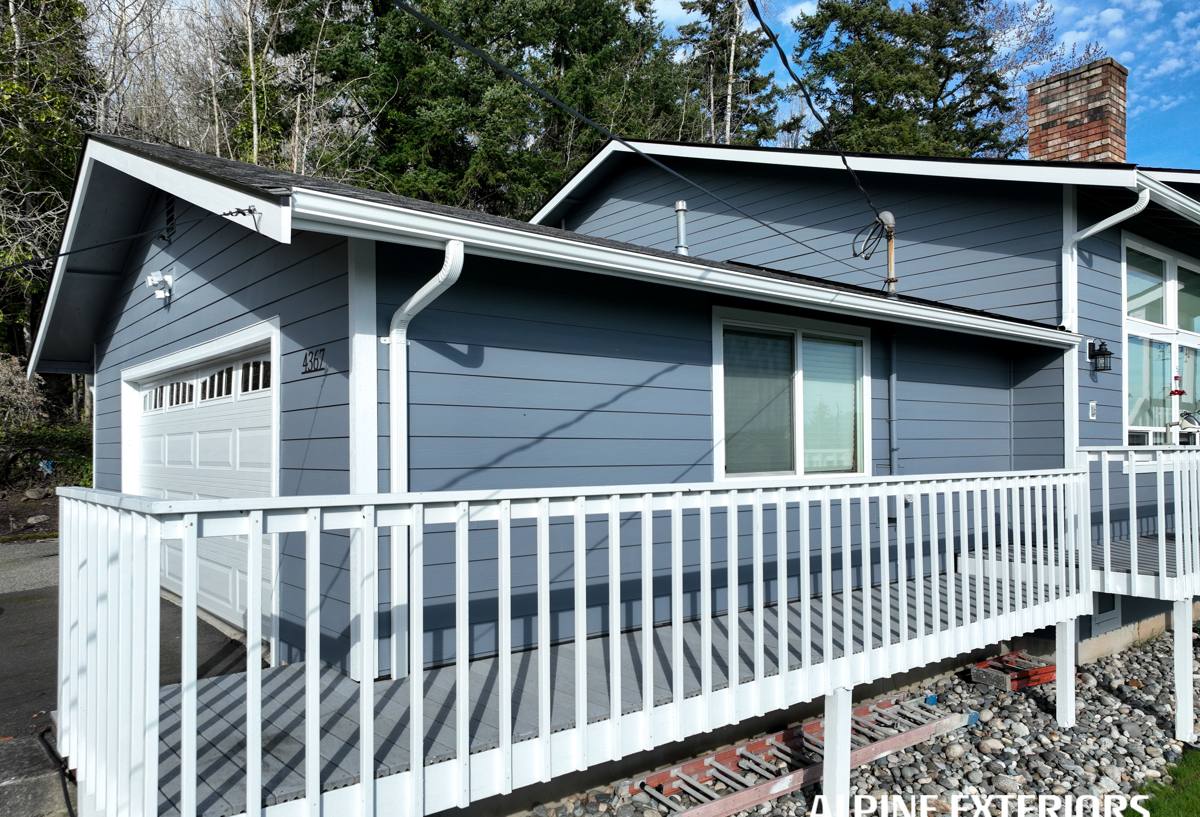
Signs a Repair Will Fix It — Before It Becomes a Bigger Problem
What You Might Notice Inside
- A water stain or discolored patch on a ceiling, especially after a hard rain
- A musty smell in an attic or top-floor closet that wasn't there before
- Peeling paint or a soft spot on an interior ceiling near an exterior wall
What Shows Up on the Roof Itself
- Shingles that are lifted, cracked, curling at the edges, or missing outright
- Granules collecting in gutters or at downspout outlets, a sign the shingle surface is wearing thin
- Rust streaks running down from nail heads, vent stacks, or metal flashing
- Soft or spongy decking near chimneys, skylights, or plumbing vents
- Gaps or lifted seams in flashing around walls, valleys, or roof-to-wall transitions
Any one of these, caught early, is usually a repair. Left alone through another hurricane season, several of them together often mean the damage has spread into the decking, and the conversation changes.
What an Honest Roof Repair Actually Involves
A real repair starts with figuring out where the water is actually getting in, which is often not directly above the stain you see inside. Water travels along rafters and sheathing before it shows itself, so we trace the path back to the source rather than just replacing the shingles closest to the ceiling stain.
Most leaks on coastal roofs trace back to flashing, not the shingle field itself — around chimneys, skylights, sidewalls, and valleys, where two roof planes or a roof and a wall meet. Shingles shed water in a straight line down a slope; flashing is what handles the places where that simple rule breaks down, and it's the first thing salt air and sun damage attack. A correct repair replaces failed flashing rather than caulking over it, because caulk is a temporary fix, not a repair.
We also check the decking underneath any area we open up. Plywood or OSB that's stayed wet has a different repair scope than decking that's simply exposed — soft or delaminating sections get replaced, not covered. And we match materials: shingle color, profile, and weight as close to your existing roof as the product lines available allow, so a repair doesn't stand out as a patch for the next fifteen years.
Repair or Replace? How We Help You Decide
Not every damaged roof needs full replacement, and not every roof with visible wear is a good candidate for another round of patching. We walk homeowners through the honest tradeoffs rather than defaulting to the bigger job.
| Factor | Leans Toward Repair | Leans Toward Replacement |
|---|---|---|
| Roof age | Under 12-15 years, materials still flexible | Near or past the manufacturer's expected service life |
| Extent of damage | Isolated to one section or penetration | Spread across multiple slopes or the whole field |
| Decking condition | Sound, dry plywood/OSB underneath | Soft, delaminated, or repeatedly wet decking |
| Repair history | First or second repair on this roof | Several past patches in different spots |
| Storm exposure | Wind/hail event with localized impact | Direct hit with widespread lifted or torn material |
We'll tell you straight when a roof is a good repair candidate, and we'll also tell you when spending money on another patch is just delaying an expense you can't avoid. Both are honest answers — we're not incentivized to push either one over what the roof actually needs.
Our Repair Process, Step by Step
- Inspection. We get on the roof (or use a mast camera when access or safety requires it) and document the damage with photos, not guesses from the ground.
- Written scope. You get a plain-language explanation of what's damaged, why, and what we propose to do about it — before any work starts.
- Material match. We source shingles, flashing metal, and underlayment as close to your existing roof as current product lines allow.
- Targeted tear-out. We remove only the damaged section, plus enough surrounding material to tie the repair in properly — not the whole roof.
- Flashing and decking first. Any compromised flashing or decking gets replaced before a single new shingle goes down.
- Wind-rated fastening. Nailing patterns and fastener count follow current Florida Building Code requirements for coastal wind exposure, not the minimum.
- Cleanup and magnet sweep. We clear debris and run a magnetic sweep for stray nails in the yard, driveway, and landscaping.
- Walkthrough. We show you the completed repair and explain what to watch for going forward.
Materials and Techniques That Hold Up in Salt Air
Shingles and Underlayment
For coastal repairs we favor architectural shingles with a wind rating suited to open-water exposure, paired with a self-adhering, high-wind-rated underlayment as a secondary water barrier. That second layer matters more here than it does inland — if wind ever lifts a shingle during a storm, the underlayment underneath is what keeps water out of your attic until the shingle can be resecured or replaced.
Flashing Metal
Galvanized steel corrodes noticeably faster in salt air than it does even a few miles from the coast. Our standard on Indian Shores repairs is corrosion-resistant flashing metal appropriate for direct coastal exposure, because replacing rusted flashing again in a few years costs more than doing it right the first time — this is a professional standard we hold ourselves to, not a claim about any particular manufacturer's product failing.
Sealants and Fasteners
UV-stable sealants rated for exterior, coastal use hold up far longer than general-purpose caulk, which chalks and cracks quickly under this much direct sun. Fasteners get selected and installed to current wind-zone fastening schedules, not just "enough to hold it down" — the difference shows up the next time a named storm comes through.
Why It Matters to Hire a Crew That Already Works This Stretch of Coast
A lot of roofing crews work all over the Tampa Bay area and treat a barrier island job the same as one in a subdivision twenty minutes inland. The wind exposure, salt corrosion rate, and building code requirements aren't the same, and a repair scoped for inland conditions tends to fail here sooner than it should.
Working Indian Shores regularly also means we're familiar with the permitting process for this specific jurisdiction within Pinellas County, and with the realities of condo and HOA-managed properties, which make up a good share of the housing stock this close to the beach — getting board approval or coordinating access with a property manager is part of the job, not an afterthought. We also know what insurance adjusters and wind mitigation inspectors here typically expect to see documented, which matters if your repair is tied to a claim or you want it reflected in your wind mitigation report.
Finally, being local means we're actually available after the storm that caused the damage — not weeks out, working through a queue of jobs from three counties away, while your repair sits open to the next round of rain.
Between Repairs: A Simple Maintenance Checklist
Salt air keeps working on your roof even when nothing looks obviously wrong. A little regular attention between repairs extends the life of the roof you have and helps you catch small issues before they become interior damage.
- Rinse accumulated salt residue off the roof surface periodically, especially after long dry spells
- Keep valleys, gutters, and downspouts clear of leaves and debris so water actually drains
- Trim back any overhanging vegetation that keeps sections of the roof shaded and damp
- Walk the attic after any hard, wind-driven rain and check for new stains or damp insulation
- Check sealant around vent stacks, skylights, and other penetrations for cracking once or twice a year
- Have the roof professionally inspected after any named storm, even if you don't see obvious damage from the ground
- Schedule a general roof inspection annually rather than waiting for a leak to prompt one
Get a Straight Answer About Your Roof
If you're dealing with a stain on a ceiling, missing shingles after a windy week, or you just haven't had your roof looked at in a while, we'll come out, get on the roof, and tell you plainly what's going on and what it would take to fix it. There's no pressure and no charge for the estimate — just a clear answer from a crew that already knows what Indian Shores roofs are up against.