 Largo Window
 Siding Repair on a Barrier Island Is a Different Job
Indian Shores sits on a narrow strip of land between the Gulf of Mexico and the Intracoastal Waterway, which means every home here takes on more punishment than a house a few miles inland in Largo or elsewhere in Pinellas County. Salt-laden air moves through the neighborhood daily, sun exposure is nearly constant, and wind-driven rain during storms hits siding at angles it was never designed to shed. Siding repair here isn't just patching a hole or replacing a cracked board — it's understanding why that damage happened in the first place and fixing the underlying cause, not just the symptom.
We've worked on homes up and down this stretch of coast, and the pattern is consistent: siding that looks fine from the street often has moisture or fastener problems building underneath. A repair that only addresses the visible damage without correcting what let water or wind in will fail again, usually faster the second time.
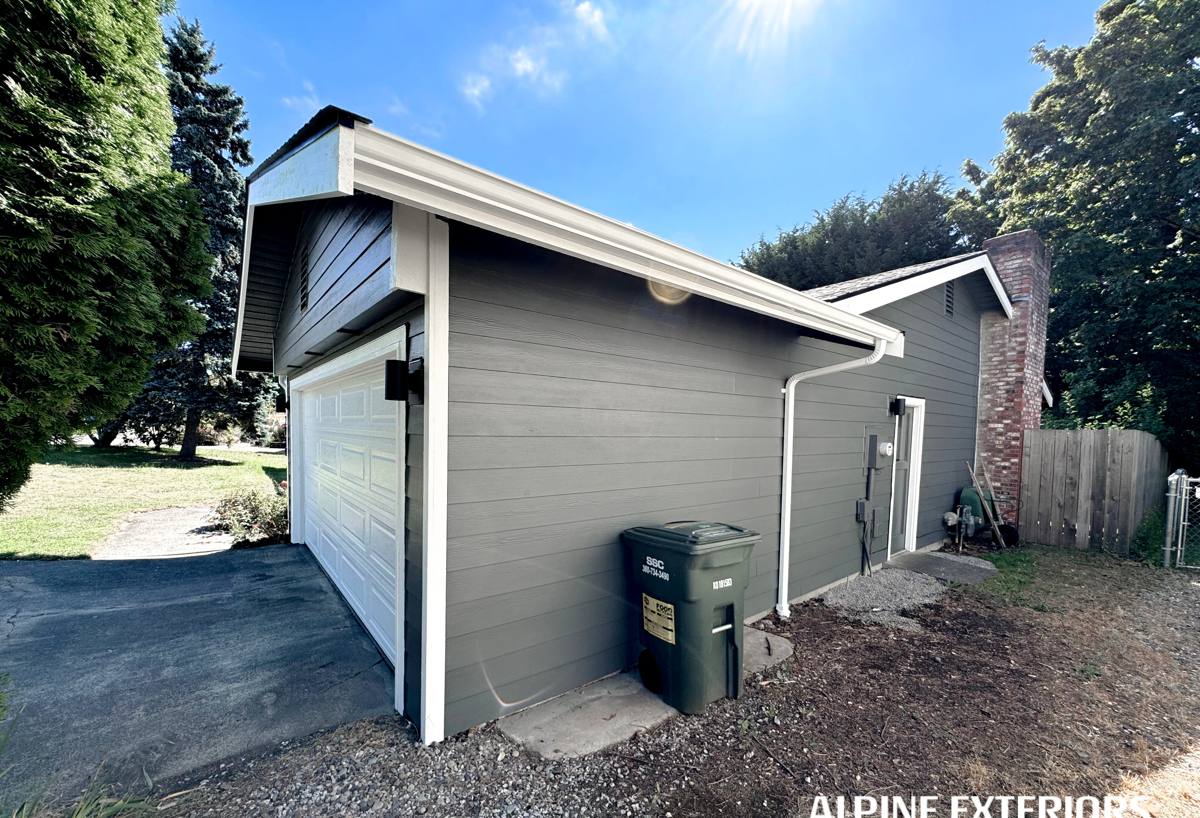
What Coastal Exposure Does to Siding Over Time
Salt Air and Corrosion
Airborne salt settles on every exterior surface, including fasteners, flashing, and trim. Over years, it accelerates corrosion on anything metal and can degrade caulk and sealant faster than the same products would wear in an inland climate. Siding panels themselves may look intact while the nails or screws holding them are compromised underneath.
Year-Round UV
Florida sun is relentless, and Indian Shores gets it with almost no tree canopy to soften the exposure on Gulf-facing walls. UV breaks down pigments, causes fading and chalking on lower-quality siding materials, and dries out caulk joints, which then crack and open a path for water.
Wind-Driven Rain and Storm Impact
During tropical storms and hurricanes, rain doesn't fall straight down — it's driven horizontally into walls, soffits, and any gap in the siding system. Repeated exposure to hurricane-force wind events, even ones that don't cause obvious structural damage, can loosen panels, work fasteners free, and push water behind siding that looked fine after the last storm but wasn't actually sealed correctly.
Common Siding Repair Needs We See in Indian Shores
Not every repair call is the same, and the right fix depends on what's actually causing the damage. Here's how we typically categorize what we find:
| What You See | Likely Cause | What the Fix Involves |
|---|---|---|
| Cracked or split boards | Moisture cycling, impact damage, or aging material past its service life | Remove and replace affected sections; check sheathing underneath for hidden rot |
| Buckling or warping panels | Trapped moisture or improper fastening allowing movement | Pull panels, correct the fastening pattern or drainage path, reinstall or replace |
| Chalking or heavy fading | UV breakdown of paint or factory finish | Evaluate whether repainting is realistic or replacement makes more sense long-term |
| Soft spots or visible rot | Long-term water intrusion behind the siding | Open the wall assembly, dry and repair sheathing, correct the moisture source before closing back up |
| Loose or missing sections after storms | Wind uplift on improperly fastened or aged material | Inspect surrounding panels for related damage, replace and re-fasten to current wind-load standards |
| Rust streaks near seams or trim | Corroding fasteners or flashing | Replace with corrosion-resistant fasteners rated for coastal use |
What a Correct Repair Actually Involves
A repair that holds up in this environment isn't just about matching color and cutting a new piece to size. We treat every repair as a chance to check the parts of the wall assembly you can't see from the ground:
- Inspecting the house wrap or moisture barrier behind the removed section for tears or gaps
- Checking flashing at windows, doors, and penetrations near the repair area
- Confirming the sheathing underneath is dry and structurally sound before closing anything back up
- Using fasteners rated for coastal, high-corrosion environments rather than standard hardware
- Matching the new material's profile and, where possible, factory finish so the repair doesn't stand out
- Re-sealing joints and seams with a sealant suited for constant sun and salt exposure
Skipping any of these steps is how a "repair" ends up being redone in two or three years. It's also why a quick patch job from someone unfamiliar with barrier-island conditions often costs more in the long run than it saved upfront.
Repair vs. Replacement: How We Make the Call
Not every damaged section needs a full re-side, and we won't push a replacement when a targeted repair will genuinely hold up. But there's a point where repeated repairs stop making sense. We walk homeowners through the real factors:
| Factor | Favors Repair | Favors Replacement |
|---|---|---|
| Extent of damage | Isolated to one or two areas | Spread across multiple walls or elevations |
| Age of existing siding | Relatively new, still within expected service life | Original material is decades old or already failing broadly |
| Underlying wall condition | Sheathing and moisture barrier are sound | Rot or moisture damage found in multiple spots during inspection |
| Material availability | Matching material is still obtainable | Discontinued product, or match would be visibly inconsistent |
| Storm history | Minor, contained wind or debris damage | Repeated storm exposure has degraded the whole system |
When a home is past the point where patch repairs make sense, that's the conversation where we talk about what we'd actually install instead — and why.
Why We Only Install James Hardie Fiber Cement
Largo Window Company made a deliberate decision to install James Hardie fiber cement siding exclusively — not vinyl, not LP SmartSide, not primed wood, not other fiber cement brands. That's a professional standard, not a marketing line, and it's rooted in what holds up under the specific conditions Pinellas County coastal homes face.
Fiber cement doesn't combust, doesn't attract insects, and handles humidity and moisture cycling far better than wood-based products, which matters enormously in a climate with year-round humidity and direct salt exposure. James Hardie's ColorPlus factory-applied finish is engineered to resist the fading and chalking that intense, near-constant Florida UV causes in field-applied paint. Their HZ5 product line is specifically formulated for high-humidity, hot climates like ours, addressing moisture behavior in a way that generic fiber cement or vinyl doesn't attempt to solve.
That doesn't mean every product we've turned down is a bad product — vinyl is inexpensive and easy to install, and some fiber cement alternatives perform reasonably well. But when we weigh installation sensitivity, long-term moisture performance, warranty backing, and how a product holds up specifically on Gulf-facing, salt-exposed, hurricane-zone homes, Hardie is what we're willing to stand behind. When a repair call turns into a replacement conversation, this is the system we install.
Our Process for Indian Shores Siding Repair
- Inspection first. We look at the damage you called about, plus the surrounding areas, fasteners, and trim that tend to fail together.
- Honest diagnosis. We tell you what caused the damage, not just what it looks like, and whether a repair will actually last.
- Clear scope and estimate. You know what's being repaired, what materials we're using, and why, before work starts.
- Correct repair execution. Moisture barrier, flashing, and fastening are addressed as part of the repair, not skipped to save time.
- Finish match. We work to keep the repaired section as visually consistent with the rest of the home as the situation allows.
Why Local Experience in Indian Shores Matters
Coastal construction here often falls under stricter wind-load and flood-zone requirements than inland Pinellas County properties, and a crew unfamiliar with those rules can end up doing work that doesn't hold up to inspection or, worse, doesn't hold up to the next storm. Working this area regularly means we already understand the fastening schedules, flashing details, and material choices that this exposure calls for — we're not learning the coastline on your house.
We also know that many homes in this area are seasonal or rental properties, so we're used to working with owners who aren't on-site full time, coordinating access, and communicating clearly about what we found and what we did.
Signs Your Siding Needs a Professional Look
- Visible cracks, splits, or gaps between panels
- Soft or spongy spots when you press on the siding
- Bubbling, peeling, or heavy chalking on the surface
- Rust staining near seams, trim, or fastener heads
- Panels that appear loose, warped, or no longer flush with the wall
- Increased drafts, musty smells, or interior wall staining near exterior walls
- Any visible damage after a tropical storm or high-wind event
If you're seeing any of these on a home in Indian Shores, it's worth having someone look before the next storm season adds to the damage. We offer free, no-pressure estimates — we'll tell you honestly whether you need a repair, and what that repair should actually involve.