 Largo Window
 Window Replacement Built for a Barrier Island
Indian Shores sits on a narrow strip of land between the Gulf of Mexico and the Intracoastal Waterway, and that location changes what "good windows" means. A window that performs fine a few miles inland in Largo can fail early on this barrier island because the exposure is constant and severe: salt-laden air moving off the Gulf, direct sun for most of the daylight hours, and wind-driven rain that hits the building envelope from angles a standard window was never designed to shed. Replacing windows here isn't just a cosmetic upgrade — it's a decision about how well your home's envelope holds up against Pinellas County's coastal climate for the next fifteen to twenty years.
We work on Indian Shores regularly, alongside jobs throughout Largo and the surrounding beach communities, so we're not guessing at what holds up out here. This page covers what local homes actually need, what a correct installation looks like, and how our process works from first look to final walkthrough.
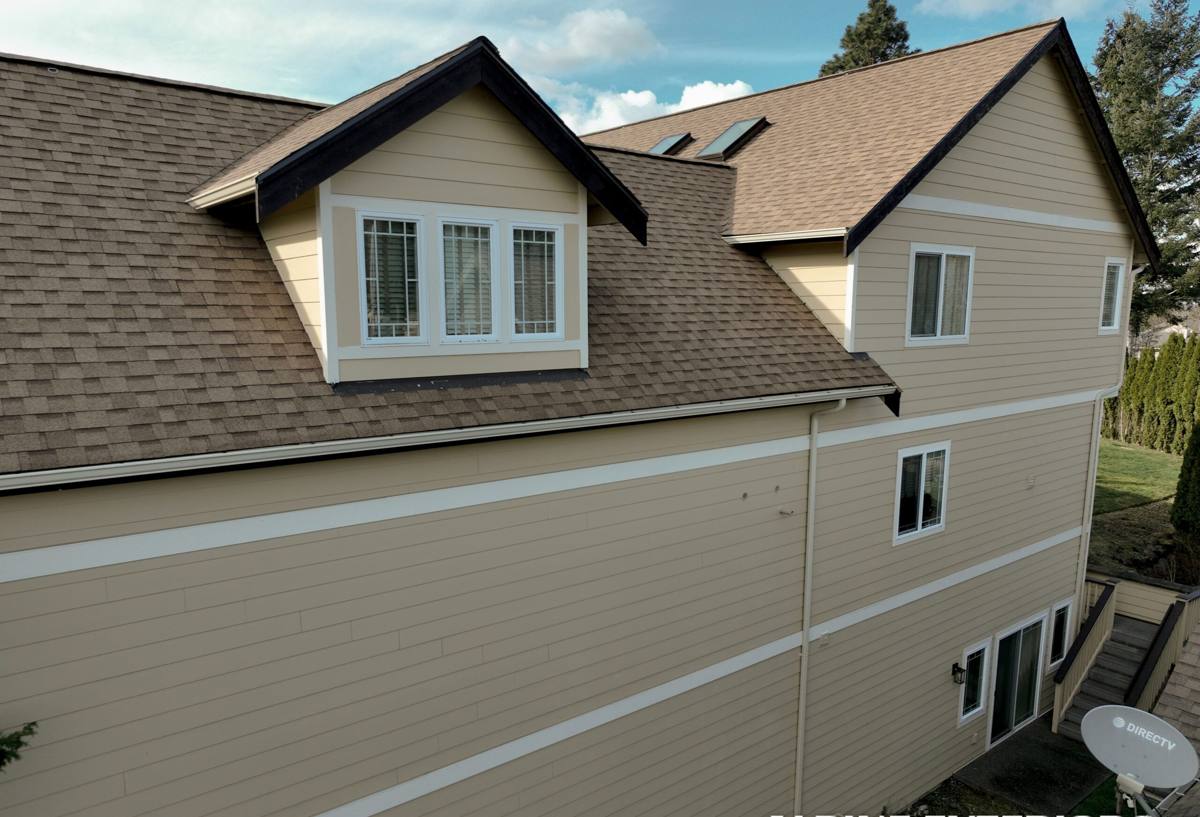
What the Coastal Environment Does to Windows Over Time
Salt Air and Corrosion
Airborne salt is the most underestimated factor in coastal window failure. It settles into hardware, tracks, and fasteners, and it accelerates corrosion on anything that isn't rated for a marine or coastal environment — cheap hinges, uncoated screws, and low-grade aluminum components. On a barrier island like Indian Shores, this process happens faster than most homeowners expect, sometimes visibly pitting hardware within a few years on lower-grade products.
UV Exposure
Florida sun is intense year-round, and windows facing west or south take the brunt of it. UV breaks down vinyl and seals faster than in cooler, less sunny climates, which is why frame quality and glass coatings matter more here than they would in a lot of the country. Low-E coatings aren't a luxury add-on for a home like this — they're doing real work reducing heat gain and protecting interior finishes from fading.
Wind-Driven Rain
Even outside of a named storm, Indian Shores gets wind-driven rain regularly during Florida's wet season. A window with a weak seal or poor flashing detail will let water intrude around the frame long before glass failure is ever a concern. Most water intrusion problems we find during replacements trace back to installation and flashing, not the window unit itself.
Florida Building Code and Wind Requirements
Pinellas County falls within Florida's wind-borne debris region, which means replacement windows on Indian Shores homes generally need to meet specific wind pressure and impact requirements under the Florida Building Code — not whatever was standard when the house was originally built. This applies whether you're doing one window or a full-home replacement, and it's enforced through the permitting process.
Impact-Rated Glass vs. Shutters
Homeowners have two code-compliant paths for opening protection: impact-rated windows, or standard windows paired with approved storm shutters. We install both, and the right call depends on your budget, how the home is used, and how much you want to deal with storm prep. Impact windows cost more up front but need no separate shutter system, no seasonal installation labor, and no storage for panels — a real consideration on a barrier island where storm prep windows can be short.
Permitting
Window replacement in Indian Shores requires a permit, and inspections confirm the installed product matches its approved wind rating for your home's location and exposure category. We handle the permitting and documentation as part of the job — it's not an optional step we skip to save time, because a non-permitted replacement can create real problems at resale or insurance renewal.
Signs Your Indian Shores Home Needs New Windows
Coastal wear doesn't always look dramatic. Here's what we look for, and what you should watch for between now and your next estimate:
- Hardware (locks, cranks, hinges) that's stiff, corroded, or pitted from salt exposure
- Visible fogging or haze between panes of double-pane glass — a sign the seal has failed
- Frames that feel soft, chalky, or show cracking, especially on west- and south-facing walls
- Drafts or a noticeable rise in cooling costs during summer months
- Windows that don't fully lock, or that have been painted or caulked shut to compensate for warping
- Water staining or soft drywall below or beside a window frame after heavy rain
- Single-pane or older aluminum-frame windows with no wind or impact rating on file
What a Correct Installation Actually Involves
The window unit itself is only part of the job. Installation quality is what determines whether a good window performs well for twenty years or starts leaking within two.
Removal and Opening Prep
We remove the old unit down to the rough opening, check the framing for hidden water damage or rot (common in older coastal homes), and correct any structural issues before a new window ever goes in. Installing over an already-compromised opening just locks the problem inside the wall.
Flashing and Sealing
Proper flashing integration with your home's water-resistive barrier is what actually stops wind-driven rain — this is the detail most likely to be rushed on a low-bid job. We flash and seal every opening to shed water outward, not just caulk the visible seam and call it finished.
Fastening for Wind Load
Impact and high-wind-rated windows are only as strong as their anchoring. Fastener type, spacing, and embedment into structural framing all have to match the window's tested and approved installation instructions for your rated wind pressure — this is what inspectors are actually verifying.
Final Inspection and Cleanup
Every job wraps with an operational check on each window — smooth operation, secure locking, and a clean seal — plus a full site cleanup before we call it done.
Choosing Frame Materials for a Salt Air Environment
Material choice matters more here than in most of the country. Below is an honest comparison of the frame options we work with for coastal Pinellas County homes.
| Frame Material | Coastal Durability | Maintenance | Typical Trade-Off |
|---|---|---|---|
| Vinyl | Good when UV-stabilized and properly reinforced | Low — no painting, won't corrode | Lower-grade vinyl can degrade faster under intense, direct Florida sun |
| Aluminum | Strong structurally, but prone to corrosion near salt air unless marine-grade and coated | Moderate — coatings need to hold up over time | Higher heat transfer unless thermally broken |
| Fiberglass | Excellent — very stable, resists UV and salt corrosion well | Low | Higher upfront cost than vinyl |
| Wood (clad) | Poor without diligent upkeep; salt air accelerates rot at joints | High — regular inspection and sealing required | We generally steer coastal clients away from unclad or lightly clad wood here |
For a straight-up-front-of-the-Gulf home like most in Indian Shores, we most often recommend vinyl or fiberglass with a proper impact rating — the corrosion resistance and low maintenance burden matter more here than they would a few miles inland.
What Affects the Cost of a Replacement Project
There's no honest flat number for window replacement — every home's mix of opening sizes, wind rating requirements, and access varies. The main cost drivers on an Indian Shores project are:
| Factor | Why It Moves the Price |
|---|---|
| Impact-rated vs. standard + shutters | Impact glass costs more per unit but eliminates separate shutter hardware and labor |
| Number and size of openings | Larger or custom-sized openings cost more than standard sizes |
| Frame material | Fiberglass generally runs higher than vinyl; aluminum varies by coating quality |
| Structural repair needed | Rot or water damage found at the opening adds labor before the new window goes in |
| Height and access | Second-story or hard-to-access openings add labor time |
We give a firm, itemized quote after seeing your home — not a phone estimate — because guessing on a barrier island property does a disservice to both sides.
Our Process on an Indian Shores Job
- Free on-site assessment: we measure openings, check for existing water or structural damage, and talk through wind rating and material options for your specific home
- Written estimate covering product, labor, permitting, and timeline — no surprise add-ons later
- Permit pulled through Pinellas County / local jurisdiction before work starts
- Removal, opening prep, installation, flashing, and fastening to code-required wind specifications
- Final inspection and walkthrough with you before we consider the job complete
Why Local Experience Matters Here
A crew that mostly works inland can still install a window correctly on paper and still get it wrong for this environment — under-specifying the wind rating, skipping the flashing detail that actually matters in wind-driven rain, or recommending a frame material that won't hold up to salt air. Working Indian Shores and the surrounding barrier island and coastal Largo area regularly means we're not learning the exposure conditions on your house — we already know what fails out here and we build to avoid it.
If you're seeing early wear, planning ahead of hurricane season, or just tired of high cooling bills from drafty old frames, we'll come take a look. The estimate is free, there's no pressure, and you'll get a straight answer about what your home actually needs — use the form below to get started.