 Largo Window
 Metal Roofing Built for Kenneth City's Climate
Kenneth City sits in the middle of Pinellas County, close enough to Tampa Bay and the Gulf that every roof in the neighborhood deals with the same combination of stresses: tropical storm and hurricane-force wind gusts, sun exposure that runs hard almost every month of the year, driving rain that gets pushed sideways instead of falling straight down, and a steady dose of salt-laden air moving in off the water. None of these are occasional problems here — they're the baseline. A roof that isn't specified and installed with that baseline in mind will show it early, usually as loosened fasteners, lifted shingle tabs, granule loss, or rust bleeding through paint long before the roof's rated lifespan is up.
Metal roofing has become a popular answer for homeowners in this area because, done correctly, it handles all four of those stresses better than most other roofing materials on the market. That last phrase — done correctly — matters. Metal roofing is unforgiving of shortcuts in a way that asphalt shingles often aren't. Panels that are fastened wrong, flashed wrong, or paired with the wrong underlayment can fail faster than a comparable shingle roof would. This page covers what a Kenneth City home actually needs from a metal roof, what correct installation looks like, and what our process involves so you know exactly what you're paying for.
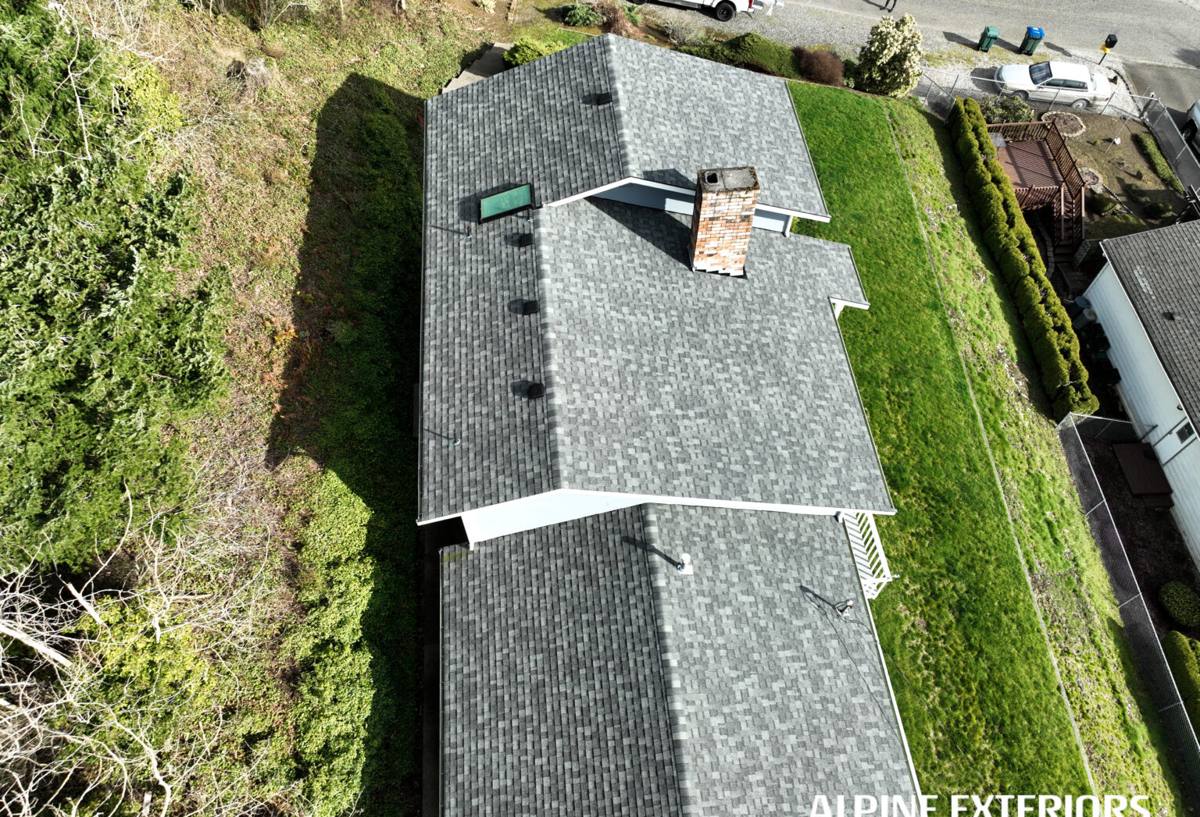
What Pinellas County Weather Actually Does to a Roof
It helps to be specific about the mechanisms at work, because each one calls for a different response in the installation.
Wind
Pinellas County sits in a hurricane-exposed wind zone, which means the roof deck, fasteners, and panel attachment method all need to be rated for uplift, not just rain shedding. Wind doesn't just push on a roof — it creates negative pressure that pulls upward on panels and edges, and that uplift force is strongest at ridges, eaves, and corners. A roof that looks fine in a light storm can still fail catastrophically in a direct hurricane hit if the fastening pattern wasn't engineered for uplift in the first place.
UV Exposure
Florida sun is intense nearly year-round, and UV breaks down coatings and sealants faster than in most parts of the country. On a metal roof, the paint finish is what protects the substrate from corrosion, so a weak or thin finish will chalk, fade, and eventually let moisture reach bare metal well ahead of schedule.
Wind-Driven Rain
Storms here rarely drop rain straight down. Wind pushes it sideways and even upward under eaves and around penetrations, which means standard lap coverage that would be adequate in a calmer climate isn't enough. Flashing details around chimneys, vents, skylights, and wall-to-roof transitions need extra attention, because that's where wind-driven rain finds its way in.
Salt Air
Even a few miles from the coast, airborne salt accelerates corrosion on any exposed metal — fasteners, flashing, panel edges, and cut ends. The right metal, the right coating, and properly sealed cut edges make the difference between a roof that shrugs off decades of salt exposure and one that starts rusting at the seams within a few years.
What a Correct Metal Roof Installation Involves
A metal roof is only as good as what's underneath it and how it's attached. Here's what we consider non-negotiable on every job in this area.
Deck Inspection and Repair
Before any panel goes down, the roof deck gets inspected for soft spots, rot, and delamination. Metal roofing telegraphs deck problems more than shingles do, so any compromised sheathing gets replaced rather than covered over.
Underlayment
We use underlayment rated for high-heat, high-humidity climates — synthetic or self-adhered membranes that won't degrade under a hot metal panel and that seal around fastener penetrations. In wind-driven rain areas like Kenneth City, the underlayment is the backup line of defense, not an afterthought.
Fastening for Uplift
Fastener spacing and type are matched to the wind zone and the panel profile, with tighter patterns at eaves, ridges, hips, and corners where uplift forces concentrate. This is one of the most common places we see shortcuts taken on past installs — wider spacing saves labor time but leaves the roof under-secured for an actual storm.
Flashing and Penetrations
Every chimney, vent pipe, skylight curb, and wall intersection gets purpose-built flashing rather than generic trim bent to fit. This is where the majority of leaks on any roof — metal or otherwise — actually originate, and it's the detail that separates a roof that performs for decades from one that needs repeat repairs.
Ventilation
Proper ridge and soffit ventilation keeps attic heat and moisture from building up under the panels, which protects both the roof deck and the underside of the metal from condensation-driven corrosion over time.
Comparing Metal Roofing Panel Types
Not all metal roofing is the same, and the right choice depends on your home's roof pitch, budget, and how long you want to go before any maintenance is needed.
| Panel Type | Wind & Storm Performance | Maintenance | Typical Use |
|---|---|---|---|
| Standing Seam | Excellent — concealed fasteners and interlocking seams resist uplift and wind-driven rain well | Low — few exposed fasteners to fail or corrode | Most homes wanting the longest service life |
| Stone-Coated Steel | Very good — heavier profile with strong wind ratings, mimics tile or shake appearance | Low to moderate | Homeowners wanting a traditional look with metal's durability |
| Exposed-Fastener Corrugated/Ribbed Panel | Good, but performance depends heavily on gasket condition and fastener maintenance over time | Higher — exposed fasteners need periodic inspection and occasional replacement | Budget-conscious projects, outbuildings, some residential applications |
We'll talk through these options honestly, including the maintenance trade-offs, rather than steering every homeowner toward the highest-margin product. For most primary residences in this climate, the reduced long-term maintenance of standing seam or stone-coated systems tends to offset the higher upfront cost, but it depends on how long you plan to own the home and what your budget looks like today.
Our Installation Process
1. On-Site Inspection and Measurement
We start with a walk of the roof and attic, checking deck condition, existing ventilation, flashing points, and anything specific to your home's layout — dormers, valleys, chimneys, and penetrations all factor into the plan.
2. Tear-Off vs. Overlay Decision
In most cases we recommend a full tear-off to the deck rather than installing metal over existing shingles. Overlay can hide deck problems and complicates proper fastening and flashing. We'll explain the reasoning specific to your roof rather than defaulting to one answer.
3. Deck Prep and Underlayment
Any repairs get made, then underlayment goes down sealed and lapped correctly for this climate's rain patterns.
4. Panel Installation
Panels are installed with fastening patterns matched to wind zone requirements, with extra attention at edges, ridges, and hips.
5. Flashing and Detail Work
All penetrations, valleys, and transitions get custom-fit flashing, sealed and layered to shed wind-driven rain rather than just standing water.
6. Final Walkthrough
We walk the finished roof with you, confirm the work matches what was scoped, and go over any care recommendations specific to the panel type installed.
What Affects Metal Roofing Cost in Kenneth City
Metal roofing costs more upfront than asphalt shingles, but the range varies widely based on a few factors that are worth understanding before you compare quotes.
| Factor | Why It Matters |
|---|---|
| Panel type | Standing seam typically costs more than exposed-fastener panels due to material and labor differences |
| Roof complexity | Valleys, dormers, multiple pitches, and penetrations add labor and custom flashing work |
| Deck condition | Rotted or damaged sheathing found during tear-off adds repair cost not visible in an initial estimate |
| Coating and gauge | Heavier gauge metal and higher-grade coatings cost more but hold up longer against UV and salt exposure |
| Tear-off vs. overlay | Full tear-off adds labor and disposal cost but avoids the risks of building over an existing roof |
We provide itemized estimates so you can see where the cost is coming from rather than a single lump number, and we'll flag upfront if your roof's complexity or age is likely to push the estimate higher once we're into the tear-off.
Keeping a Metal Roof Performing Long-Term
Metal roofing needs less maintenance than shingles, but "less" isn't "none," especially this close to the Gulf. A short annual routine catches small issues before they become expensive ones.
- Walk the roofline visually after any major storm and after hurricane season, looking for lifted panels, loose flashing, or debris buildup in valleys
- Check exposed fasteners (if your roof has them) for loosening or rust staining and have them addressed before a leak develops
- Clear leaves and debris from valleys and around penetrations, since trapped moisture accelerates corrosion in salt air environments
- Rinse accumulated salt residue off the roof surface periodically, especially on homes closer to the water
- Inspect sealant around penetrations every year or two, since UV exposure breaks down sealants faster here than in milder climates
- Have a professional inspection after any named storm that produced sustained high winds in the area
Why Local Installation Experience Matters
Metal roofing performance in a hurricane-prone coastal county comes down to details that don't show up in a brochure: fastener spacing that accounts for Pinellas County's actual wind zone, flashing built for wind-driven rain rather than straight-down rain, and coatings and cut-edge treatments that hold up against salt air rather than just marine-grade marketing language. A crew that installs roofs across Largo and the surrounding Kenneth City area day in and day out has already seen which details cause callbacks and which ones hold up through actual storm seasons. That experience shows up in decisions made before a single panel goes on the roof — the fastening pattern, the flashing sequence, the underlayment choice — not just in the finished appearance.
It also means we're a known, reachable local business if anything ever needs attention down the road, rather than a crew that worked one job in the area and moved on.
Get a Straightforward Estimate
If you're weighing metal roofing for a Kenneth City home, we're happy to walk your roof, explain what condition it's in, and lay out honest options and pricing — no pressure, no upsell script. Use the form below to request a free estimate and we'll get back to you to schedule a time that works.